Roasting
Electromagnetic Drum Roaster
A drum roaster using electromagnetic heating and temperature control for suitable nuts, seeds, grains and food ingredients.
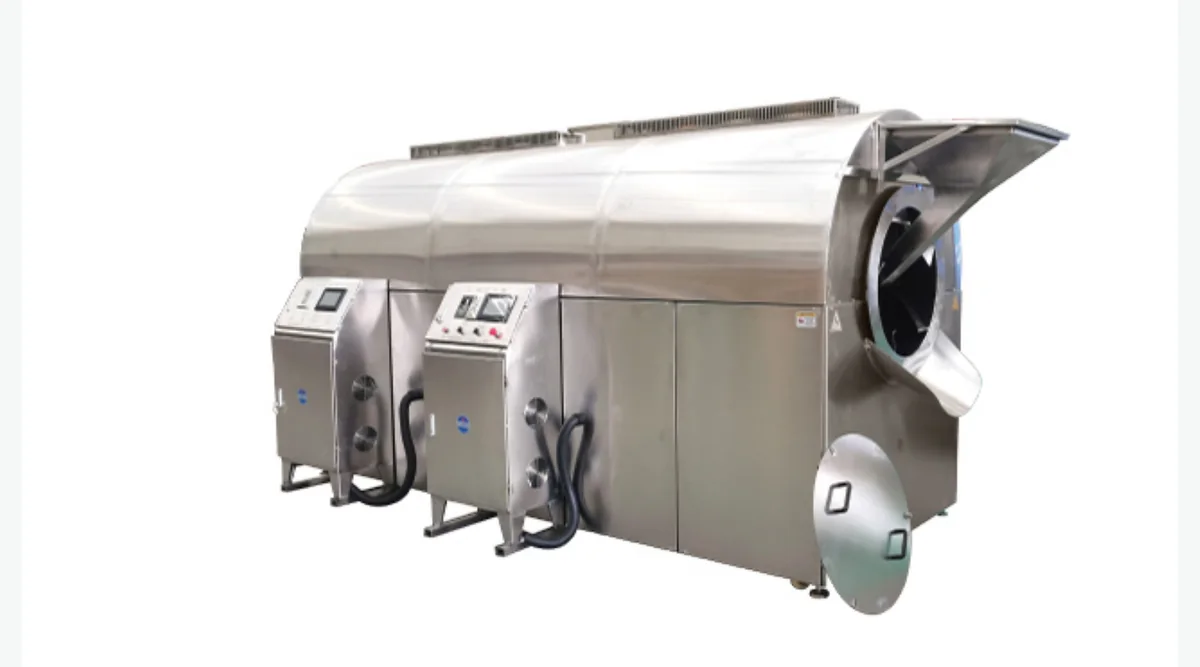
Equipment overview
Electromagnetic Drum Roaster
A drum roaster using electromagnetic heating and temperature control for suitable nuts, seeds, grains and food ingredients.
Ideal applicationsPeanuts, sesame, almonds, seeds, grains, spices and other products after roasting trials
Typical process
Where this machine fits
- Metered material feeding
- Controlled drum roasting
- Temperature monitoring
- Discharge to cooling, seasoning or packing
Product highlights
Configuration points that matter
- Direct drum heating is intended to reduce intermediate heat-transfer loss.
- Roasting time, temperature profile and cooling must be validated with the actual material.
- Energy use depends on the product, loading and roasting target. Agree the test conditions before comparing options.
Confirm before quotation
Material type, batch or continuous rhythm, target roast profile, inlet moisture, capacity, cooling and local electrical supply
Buyer review points
The points that confirm the right model for this project.
Material condition
State the material and why it is being roasted, because the roast profile is set by what the roasting is meant to achieve rather than by the material alone. Give the moisture and the impurity level, the size range and the hourly throughput, since both the feed handling and the cooling step are sized by the throughput. Say whether the material arrives raw or has been cleaned, dried or blanched already.
Output basis
Give the hourly input and the roasted output, and the moisture needed at discharge, because roasting and cooling together remove a stated amount of water. State the working hours and the campaign pattern, and whether one profile or several are needed, since a changeover costs time, heat and product.
Factory connection
The heating method and the cooling step decide the layout. Confirm the electrical supply and the circuit capacity against the induction load, and the exhaust route at the roasting section. Plan the flow from the feed bin through the roaster to the cooler in a straight run, since material moves by gravity and vibration here. Check the floor loading and the maintenance access around the machine.
Acceptance method
Agree the test on one specified material and one roast profile: the raw moisture, the moisture at discharge, the colour, and the degree of roasting being bought to. Record the roast time and temperature, the cooling time and the sample size in the same document, and state how colour is judged, because roast colour is judged by eye and needs a written reference.
Frequently asked questions
Questions to settle before selection
What defines a roasting trial for nuts or seeds?
State the material, inlet moisture, intended roasting rhythm and target roast profile. Review time, temperature and downstream cooling with the actual material.
Can the same roast settings be used for sesame and peanuts?
Do not assume one recipe applies to both. Confirm a separate trial for each intended material and agree the required finished condition before selecting operating settings.
How should electromagnetic roaster energy use be compared?
Compare the same material, loading and roasting target under agreed test conditions. Request the selected electrical load and control scope; avoid relying on an unverified percentage-saving claim.
Project boundary: Final model, output, dimensions, utilities, food-contact material scope, price, delivery and service boundary require technical and commercial confirmation before quotation.
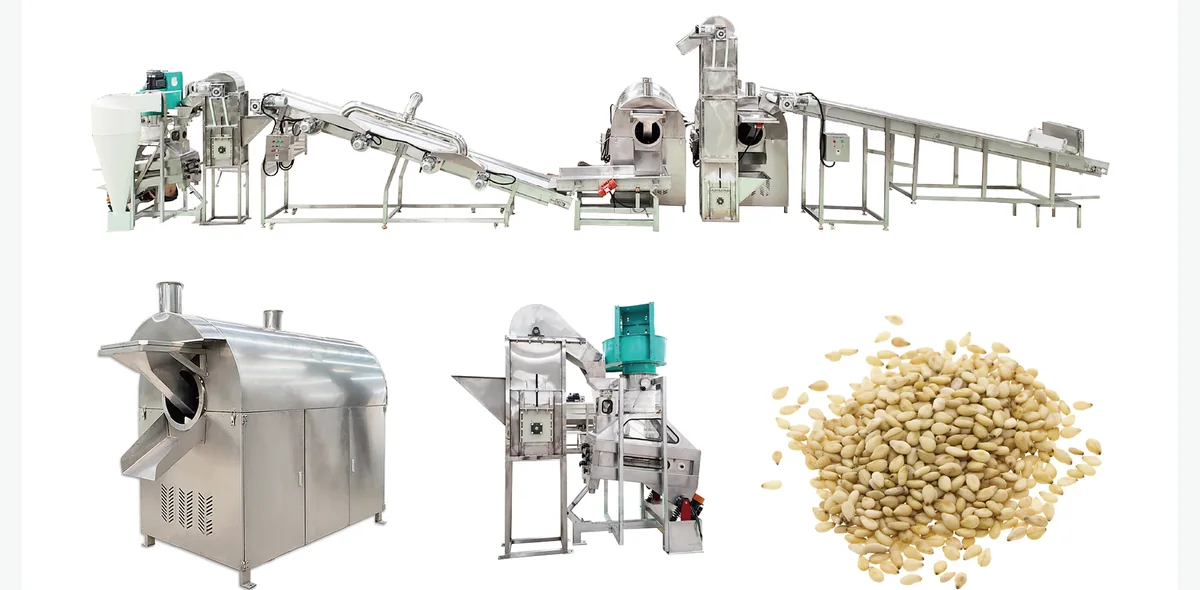
Line connection
Where this machine sits in the line
Move from roasting to the cooling, seasoning and packing stages.
Configuration request