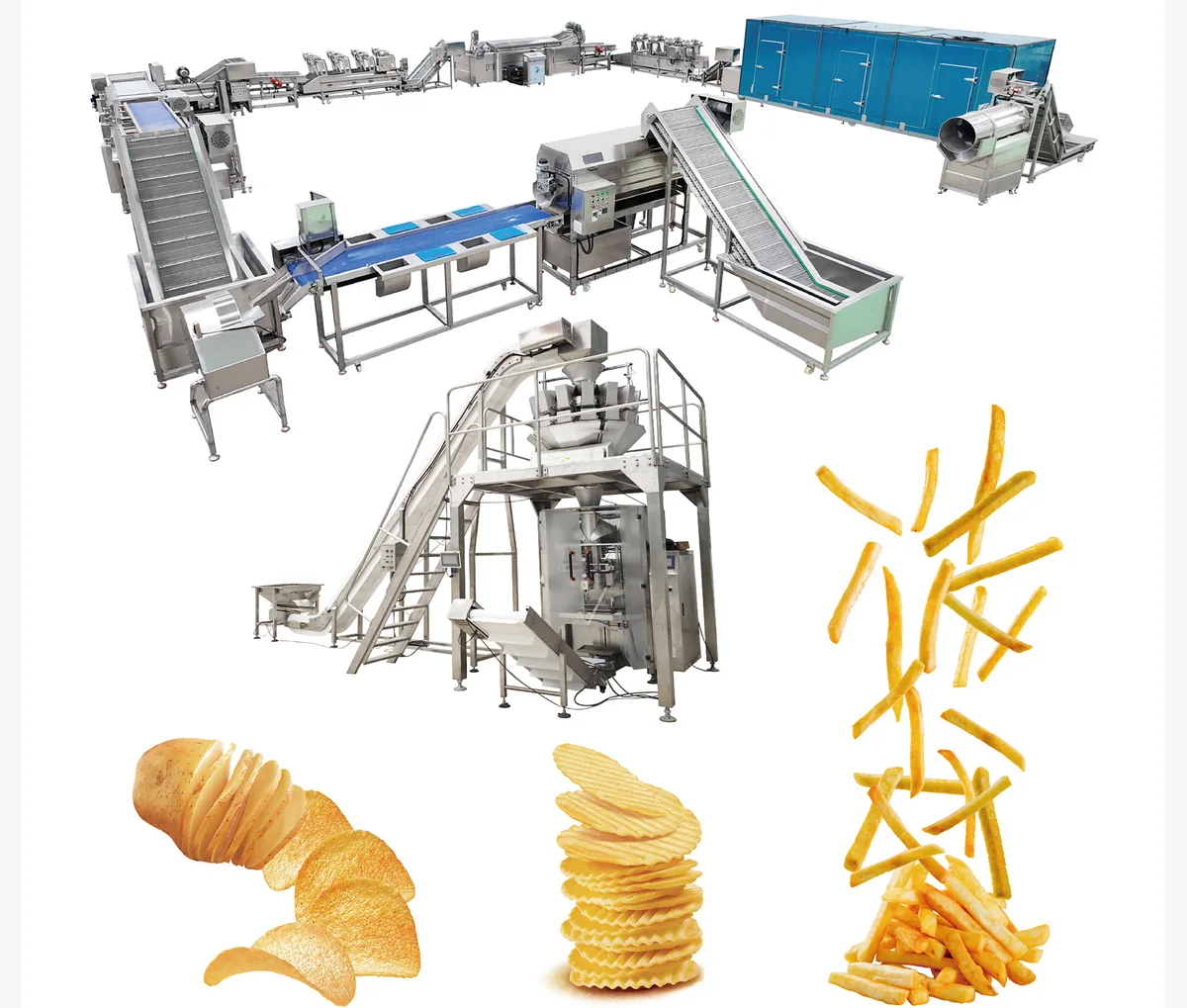
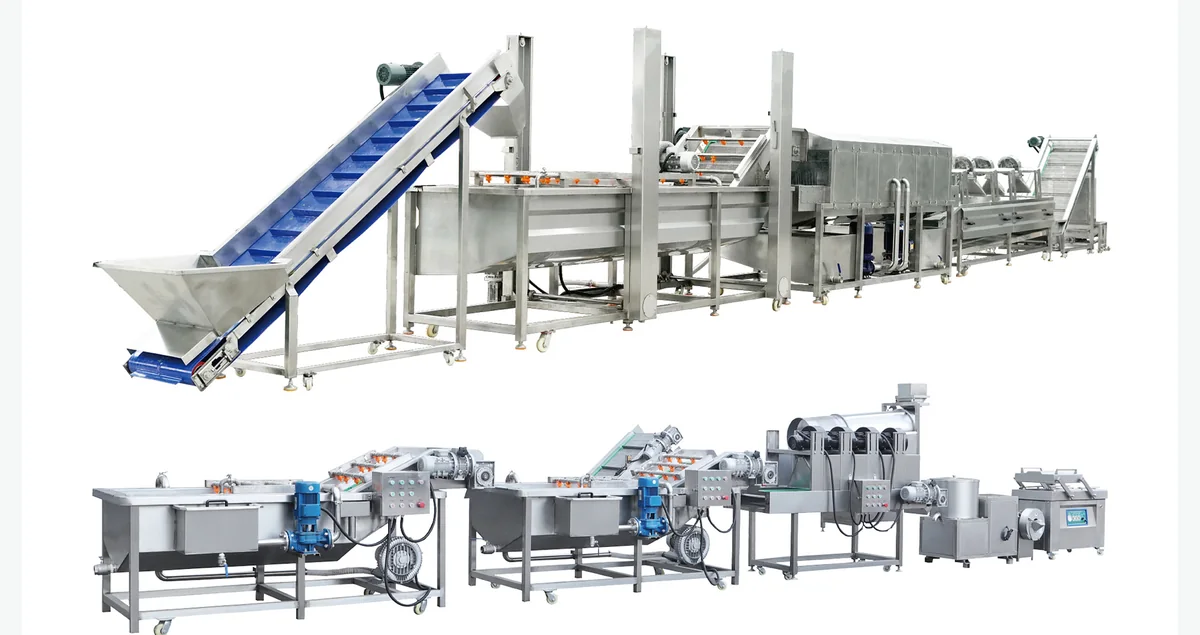
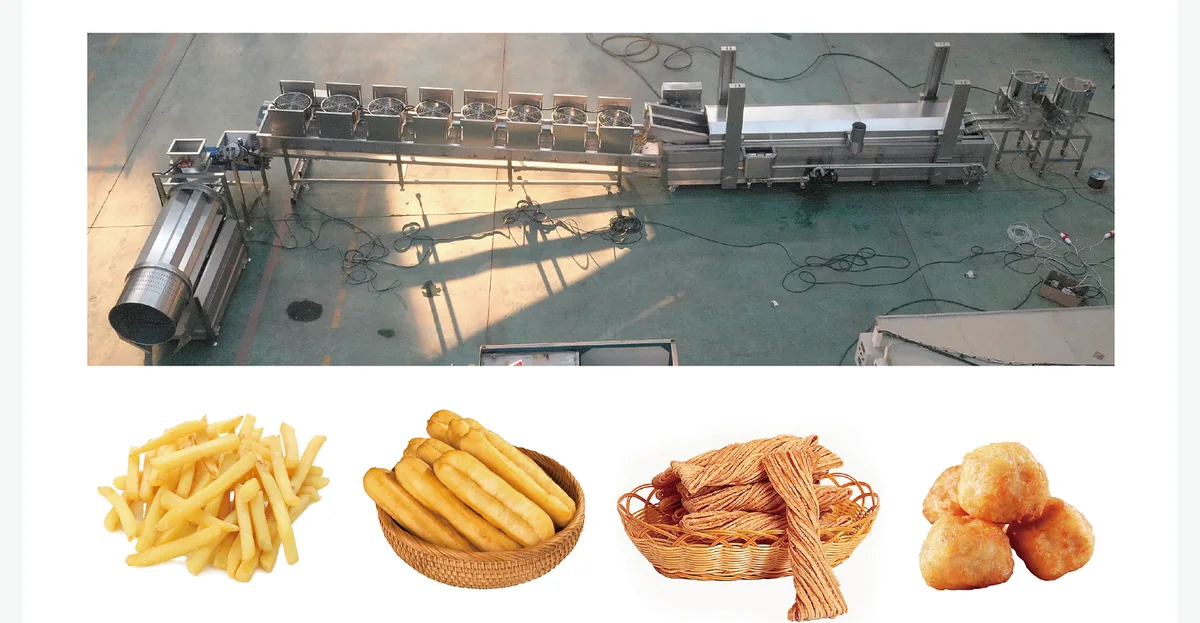
A message that only asks for price does not provide enough information for reliable food machinery selection. The supplier needs to understand the incoming material, finished result, output, utilities and project boundary before confirming a configuration.
Use this checklist to prepare an RFQ that can move into technical review with fewer repeated questions.
1. Raw material and product information
Product names can describe very different materials. Include photographs, dimensions, temperature, moisture or surface condition where these affect handling.
- Raw material and ingredient description
- Incoming size, shape and condition
- Product photos or samples
- Current process and existing problems
- Any special handling, hygiene or allergen requirement
2. Finished-product requirement
Describe the required result in measurable or inspectable terms. A finished sample, drawing, cut-size specification or process recipe can be more useful than a general adjective.
- Finished size, shape or cut format
- Target colour, texture or surface condition
- Required temperature or moisture target
- Acceptable breakage, damage or product loss
- Packing format and downstream handling
3. Capacity and operating plan
State whether output means raw-material input or finished-product output. Also record working hours, product changes and expected production days because a short batch campaign and a continuous shift require different planning.
- Required input and finished output per hour
- Hours per shift and shifts per day
- Number of products and changeover frequency
- Seasonal or year-round operation
- Required automation level
4. Factory and utilities
| Item | Information to provide | Why it matters |
|---|---|---|
| Electricity | Voltage, frequency, phase and available load | Motors, heaters and controls must match the local supply |
| Heating | Electric, gas, steam or other available source | Thermal equipment depends on utility and process conditions |
| Water | Quality, pressure, flow and temperature | Washing, blanching and cleaning require a defined supply |
| Drainage | Drain position, capacity and wastewater plan | Layout and cleaning depend on safe discharge |
| Air or refrigeration | Pressure, capacity and temperature where required | Packing, controls or freezing modules may need dedicated utilities |
| Factory | Length, width, height, doors, columns and floor level | The line must fit material flow, operation and maintenance access |
Voltage, frequency, phase and available load are the entries buyers most often leave blank, and they are the entries that decide whether motors, heaters and controls can be quoted against the local supply. The buyer-side primer on Potato Processing Line RFQ Checklist shows how to record these items before a supplier is contacted.
5. Commercial and service boundary
Ask the quotation to separate the machine scope from optional modules, packing, freight, installation, commissioning, spare parts and buyer-supplied utilities. This makes comparisons clearer and reduces later scope changes.
Payment, delivery, inspection, installation and after-sales terms should be written into the approved quotation, PI or contract. Do not rely on informal assumptions.
6. Acceptance standard
Agree how the machine or line will be checked. Record the test material, quantity, process settings, test duration, finished-product checks and inspection responsibility. For non-standard equipment, clarify drawings and change-control rules before production.
Minimum information for an initial review
- Product name, photos and incoming condition
- Finished-product sample or specification
- Required input and output
- Working schedule
- Voltage and heating source
- Water, drainage and other utilities
- Factory dimensions or drawing
- Automation and packing requirements
- Installation and service expectation
- Target purchase schedule and acceptance method
Frequently asked questions
Can I receive a quotation without all the information?
An initial budget range may be possible, but a formal configuration and price should follow product, capacity, utilities and scope confirmation. Missing information should be marked as pending rather than assumed.
Should I send a factory layout?
Yes, especially for a connected line. The drawing helps review material flow, access, utilities, cleaning, operator positions and future installation conditions.
Why is a product sample useful?
A sample or clear specification helps evaluate handling, cutting, washing, cooking and finished-quality requirements. The agreed sample and test method can also support acceptance planning.