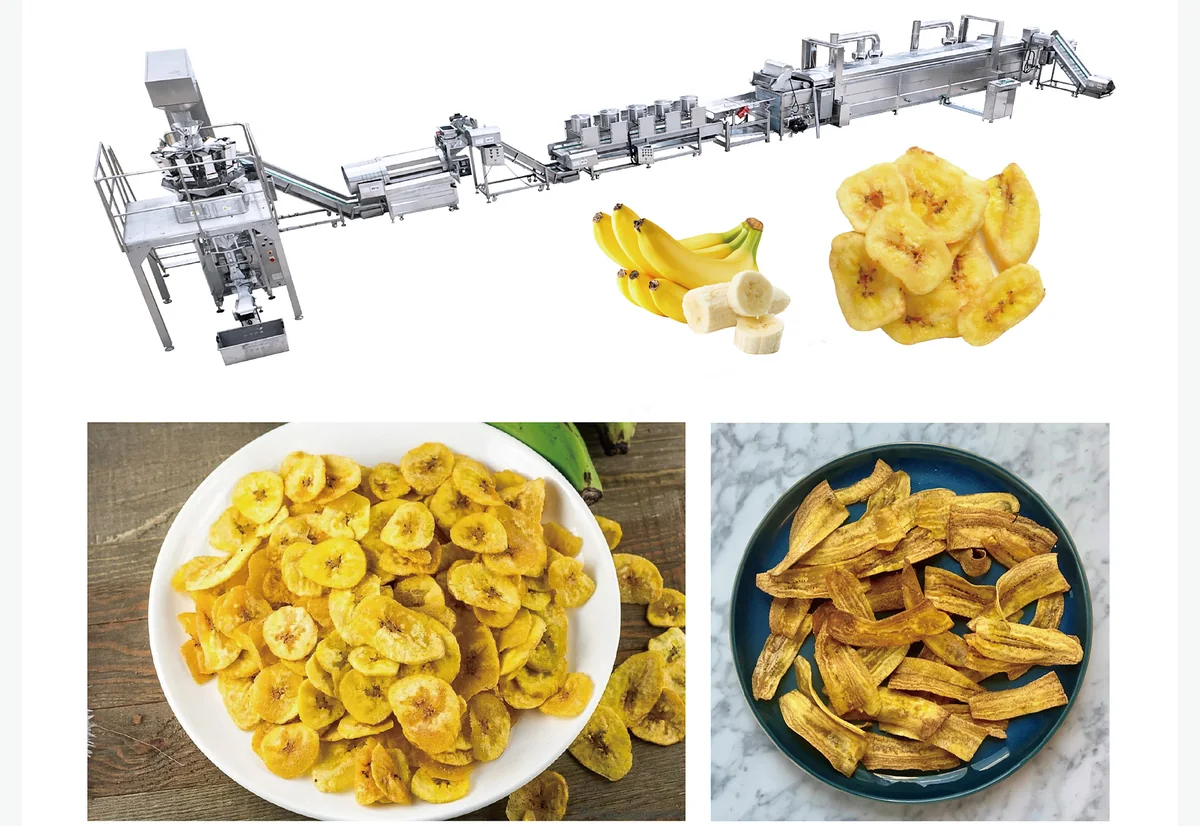
Raw materialBananas or plantains at the confirmed maturity, size and preparation condition
Finished productBanana or plantain chips at the agreed thickness, colour, texture and seasoning condition
Indicative outputConfigured against the fruit season peak rather than a year-round average, so the seasonal figure is the one the line is sized for.
Operator requirementsLabour is concentrated at the fruit sorting and the packing stations, with slicing, frying and drying running automatically.
Factory and utilitiesPlan the room for the frying load and the dehumidification the drying stage needs, and confirm the roof height and the extraction route at both ends.
Confirm before quoteBanana variety and maturity, slice thickness, finished texture, heating source, output, seasoning and pack format
Acceptance basis
Define the result before final configuration.
Agree the raw banana condition, slice thickness, colour, texture, oil-removal target, output measurement and acceptable breakage.
Planning information
Facts to settle before a line quotation.
Raw material and finished product
State the banana variety, the ripeness range it arrives at and the slice thickness required. Banana chips are judged mainly on colour and on how the slice holds together through frying, so the ripeness and the thickness are what decide whether the line needs a sorting step and how gently the slices have to be handled.
Capacity and operating schedule
State the peak input per hour and the working hours, and whether the line runs one slice size or several. Banana chip lines are often sized against a seasonal fruit supply rather than a year-round one, so say whether the figure is the peak during the fruit season or the year-round average, because the two lead to different machines.
Utilities and layout
The distinctive requirement here is the drying stage rather than the fryer. Confirm the air volume and the dehumidification needed to bring the fried slices to a stable moisture, and the heat source for it, along with the electrical load for the slicing and conveying. Check the extraction at the frying and drying sections separately, since they are at opposite ends of the line.
Scope and acceptance
List the slicing, the frying, the cooling, the drying, the seasoning and the packing, together with the control package, the spare parts, the installation support and the training. On a fruit-based line the sorting and the rejects handling deserve their own line in the scope, because the fruit arrives in a variable condition.
Project boundary: Final model, output, dimensions, utilities, food-contact material scope, price, delivery and service boundary require technical and commercial confirmation before quotation.
Equipment configuration
Related equipment pages
These links move from one machine to the full process requirement for the project.
What stages does a banana chips production line include?
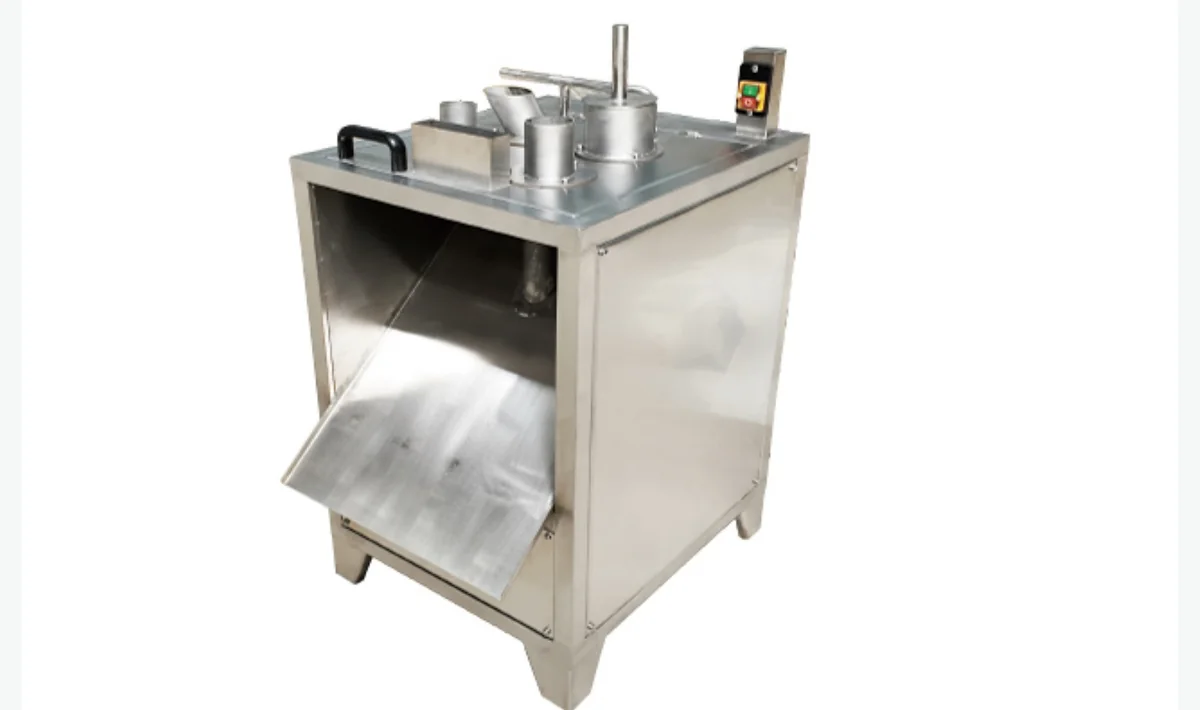
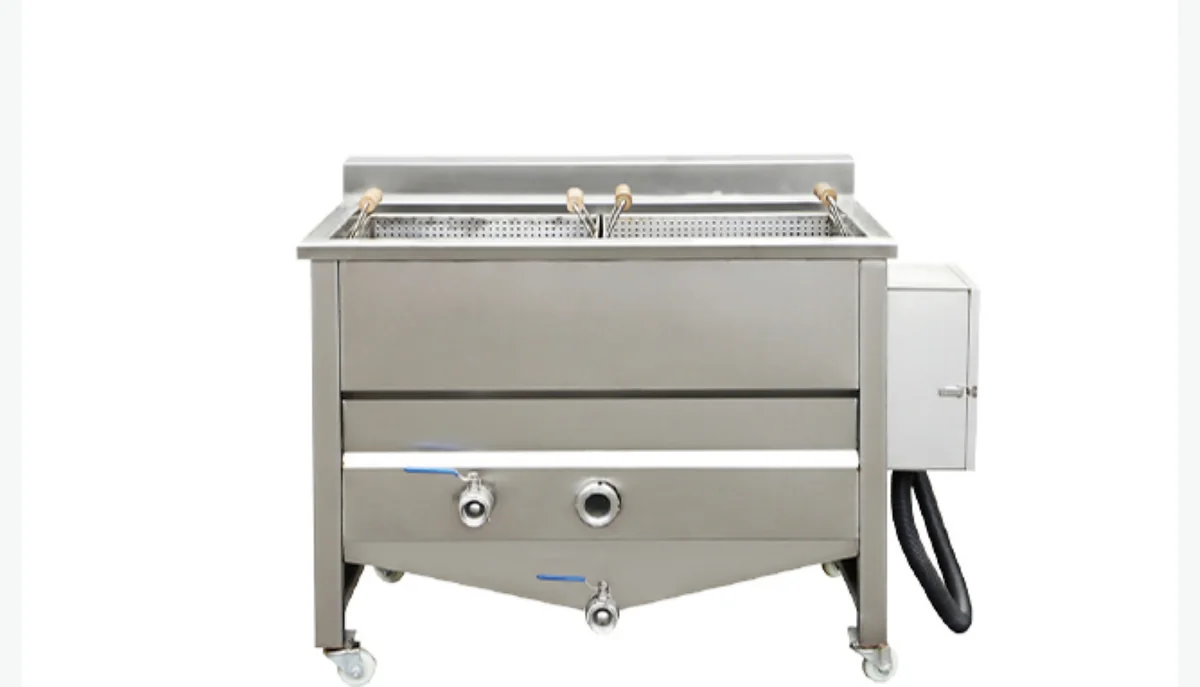
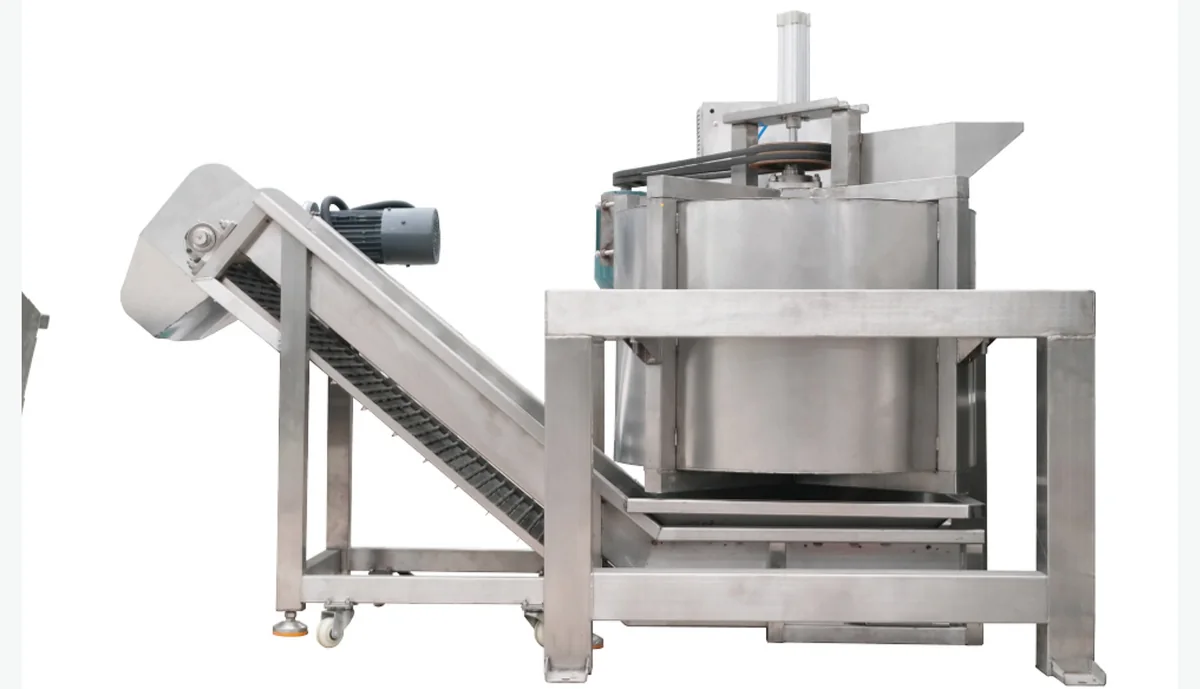
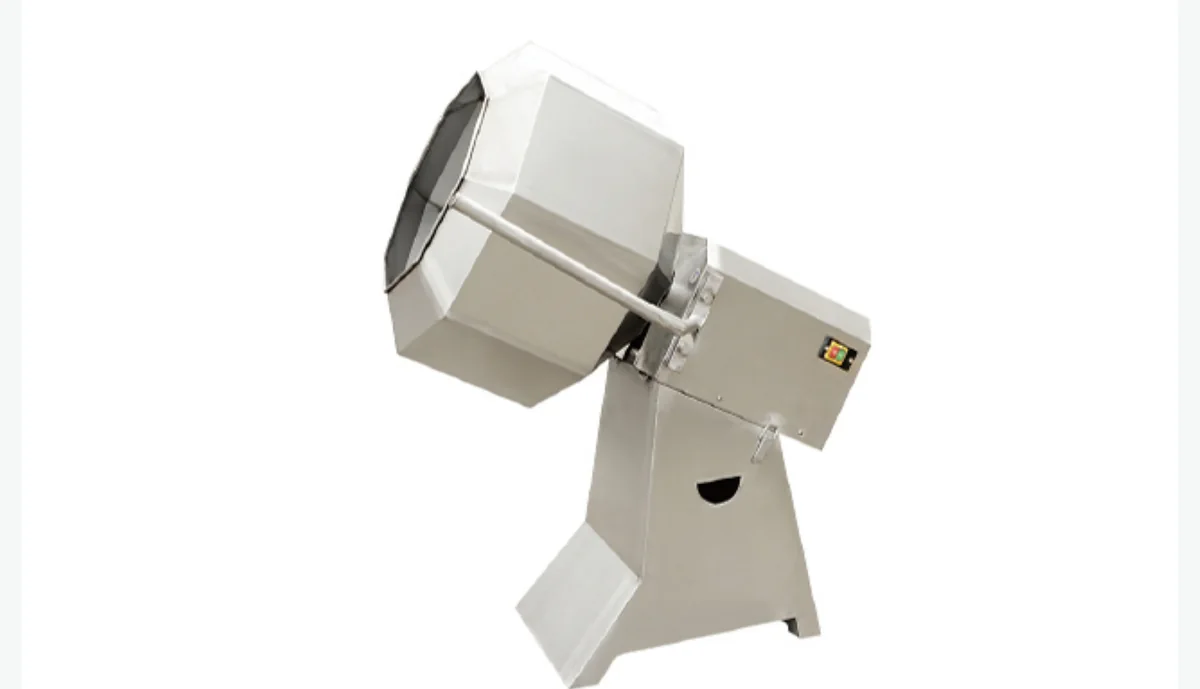
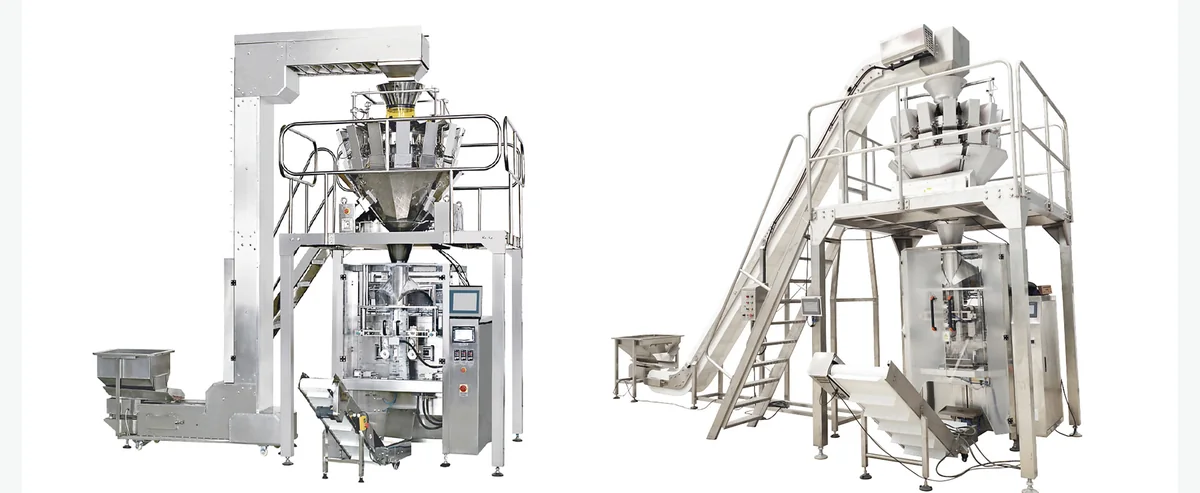
A typical configuration covers slicing, a transfer elevator, batch frying, centrifugal deoiling, seasoning and a packing interface. The final machine list is confirmed after reviewing banana variety, slice thickness and the required finished texture.
What output can a banana chips line achieve?
An indicative range of 30-500 kg/h applies to this line family. Actual output depends on the product, slice thickness and the selected configuration, so the final figure is confirmed against the tested product rather than quoted as a fixed number.
What should be confirmed before a banana chips line quotation?
Confirm banana variety and maturity, slice thickness, finished texture, heating source, output, seasoning and pack format, together with the factory floor plan, access height, drainage, ventilation and available utilities.
Technical review
Confirm product, output, utilities and factory layout.
This page covers sliced banana or plantain chips. A pressed, twice-fried tostones route needs a separate equipment and process review and is not included by the product name alone.