Weighing & packaging
420 / 720 Vertical Packaging Machine
An automatic vertical bagging unit that can combine product feeding, multihead weighing, bag forming, sealing and finished-pack conveying.
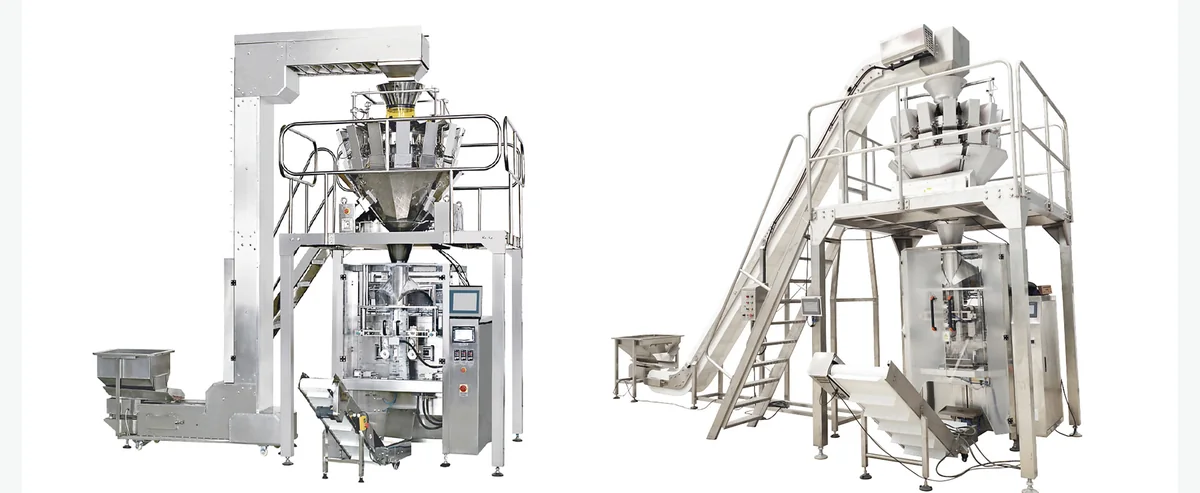
Equipment overview
420 / 720 Vertical Packaging Machine
An automatic vertical bagging unit that can combine product feeding, multihead weighing, bag forming, sealing and finished-pack conveying.
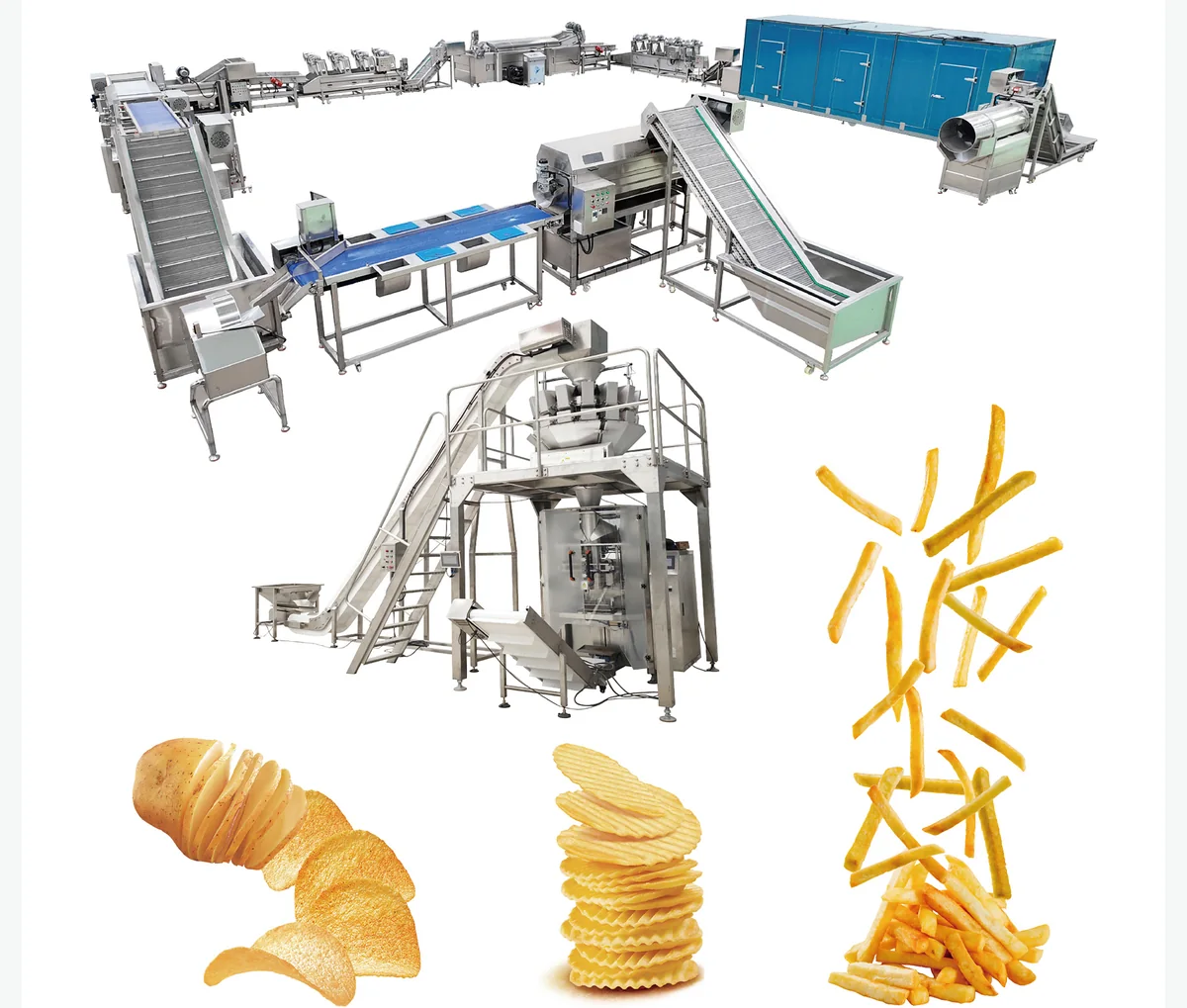
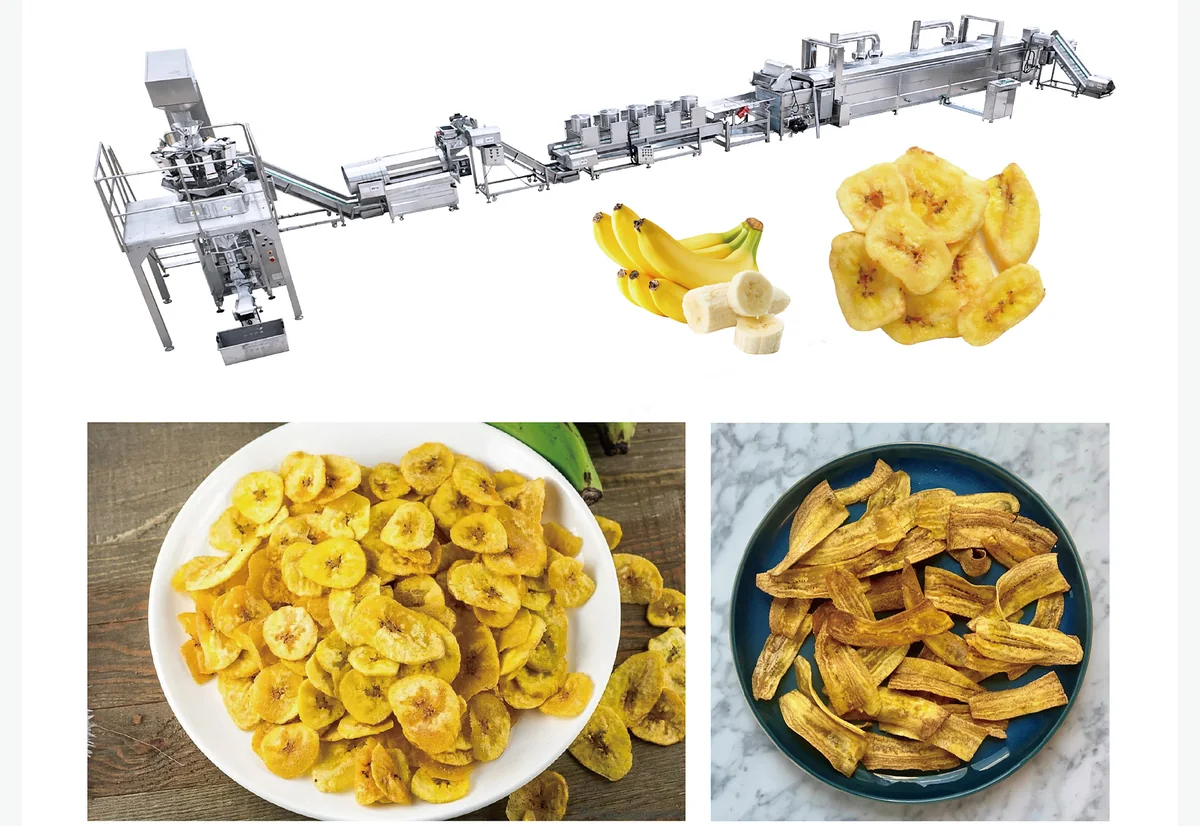
Ideal applicationsPuffed snacks, potato chips, candy, nuts, fruit chips, dumplings, rice, beans, pet food and other suitable free-flowing products
Typical process
Where this machine fits
- Product elevation
- Multihead weighing
- Bag forming, filling and sealing
- Finished-pack discharge
Product highlights
Configuration points that matter
- Multiple vertical bagger sizes can be reviewed against the required pack format.
- Actual speed and accuracy depend on product behaviour, target weight, bag format and selected weighing system.
- Film, date coding, nitrogen flushing and inspection interfaces require separate confirmation.
Confirm before quotation
Product flowability, target pack weight, bag dimensions, film structure, speed, gas flushing, coding and check-weighing requirement
Model reference
Indicative model options
| System component | Available configuration |
|---|---|
| Vertical bagger | 420 or 720 platform |
| Combination weigher | 10- or 14-head option |
| Product feed | Z-type elevator with vibration feeder |
| Support | Operating platform |
| Discharge | Finished-product conveyor |
Model figures are reference information. Final model selection requires review of actual material, process target, utilities and layout.
Buyer review points
The points that confirm the right model for this project.
Material condition
State the product and the pack format, because the film roll, the dosing system and the sealing jaw all follow from the pack size and the product density. Give the pack weight, the target fill tolerance and the product texture, since a free-flowing product and a piece product are dosed differently.
Output basis
Give the hourly pack count and the working hours, and the changeover time when the pack size changes. State the number of film rolls held and whether the machine runs one product or several, since a changeover means a new film roll and a re-set of the dosing volume.
Factory connection
Confirm the power supply against the dosing and sealing drive and the compressed air if used. Check the machine height against the room clear height, since a vertical form-fill-seal machine is tall and the film roll is above the operator, and plan the product infeed height and the discharge conveyor height.
Acceptance method
Agree the test on one specified product and one pack size: the fill weight across the sample, the acceptable weight tolerance, the seal area and the seal appearance. Record the film specification, the machine speed, the sample size and the number of samples in the same document, because fill weight is checked by weighing and needs a written tolerance.
Frequently asked questions
Questions to settle before selection
How do I choose between the 420 and 720 bagger configurations?
Start with the required bag dimensions, film structure and target pack weight. Confirm the forming, sealing and weighing configuration with the actual product rather than choosing from the platform number alone.
Are coding and nitrogen flushing included automatically?
No. Film, date coding, nitrogen flushing and inspection interfaces require separate confirmation. List the selected modules and any site utilities explicitly in the equipment scope.
How should packaging speed and weighing accuracy be tested?
Use the actual food, agreed pack weight, bag format and selected weighing system. Assess product flow, breakage and finished-pack consistency together at the agreed operating condition.
Project boundary: Final model, output, dimensions, utilities, food-contact material scope, price, delivery and service boundary require technical and commercial confirmation before quotation.
Line connection
Where this machine sits in the line
Move from packing to the case packing and palletising stages.
Configuration request