Raw material and finished product
Clarify the incoming material condition, size range, preparation level, target finished product, acceptable loss, colour or texture requirement and packing format before the equipment list is finalized.
Poultry processing
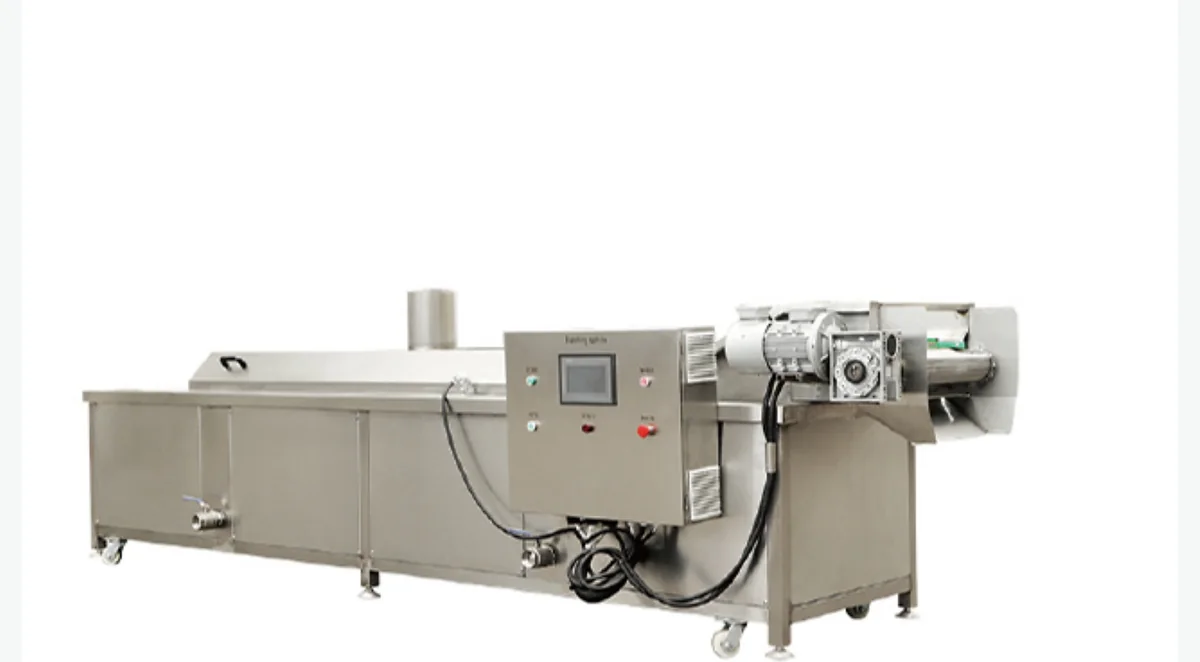
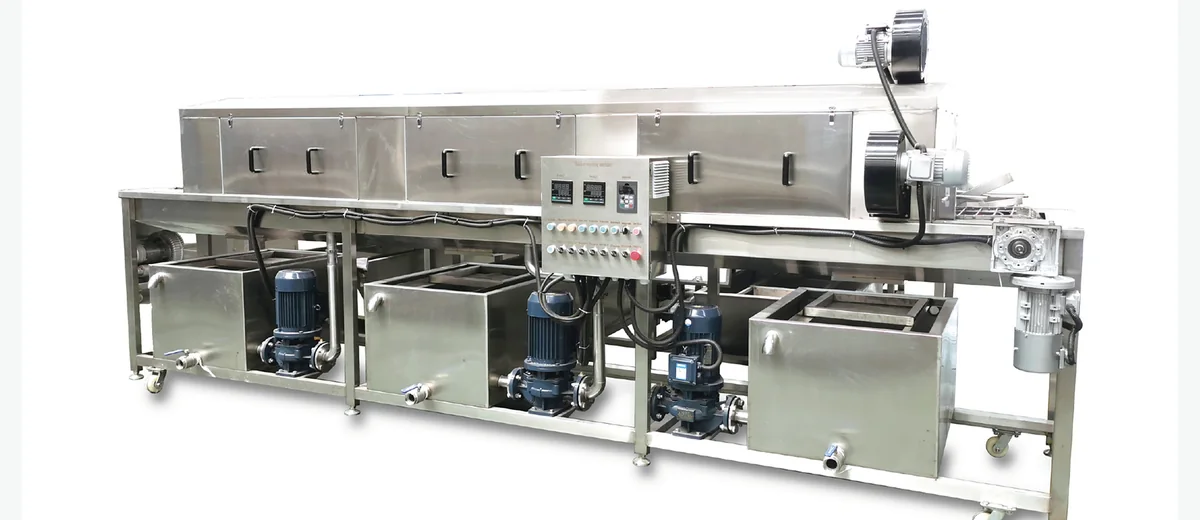
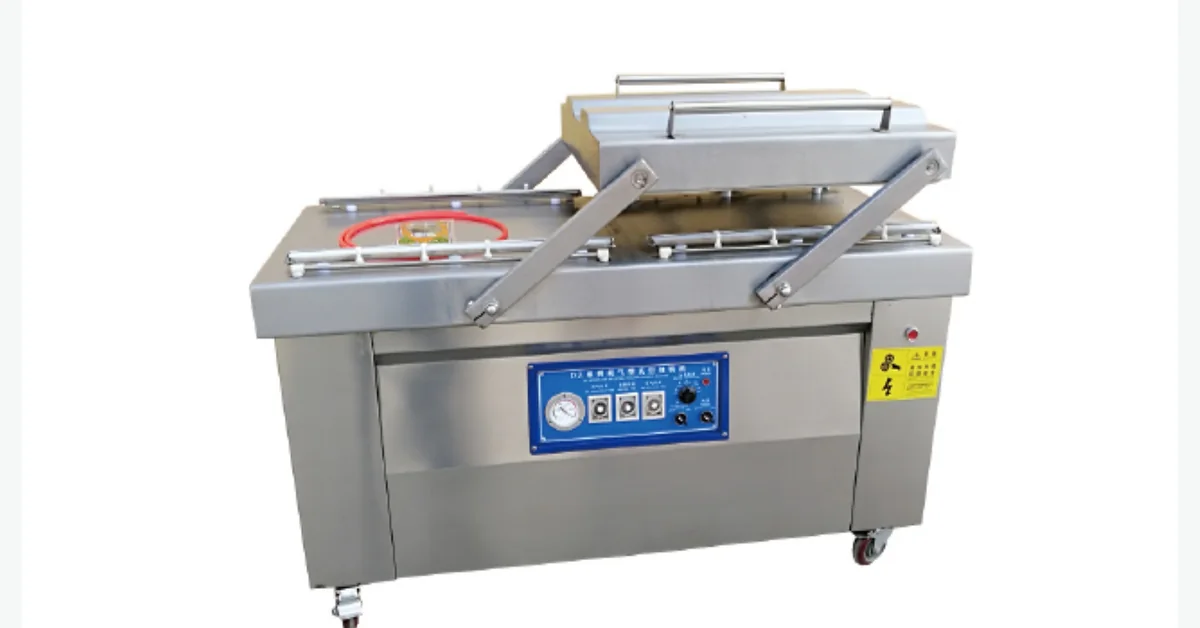
A processing line for blanching, peeling, sorting, washing, cutting and packing chicken feet under an agreed hygiene process.
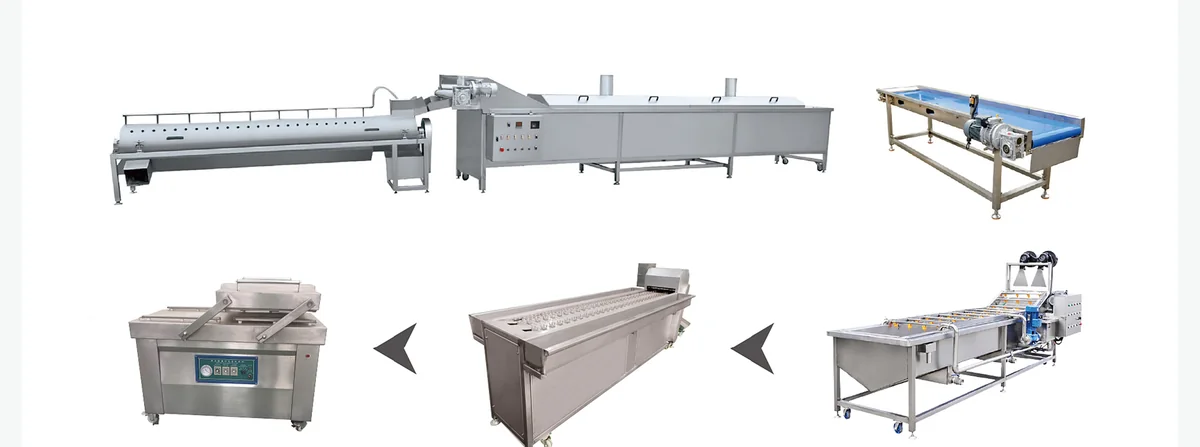
Line overview
A processing line for blanching, peeling, sorting, washing, cutting and packing chicken feet under an agreed hygiene process.
Acceptance basis
Agree incoming product specification, peeling cleanliness, acceptable damage, product temperature, output measurement and hygiene inspection method.
Planning information
Clarify the incoming material condition, size range, preparation level, target finished product, acceptable loss, colour or texture requirement and packing format before the equipment list is finalized.
State the peak input, target output, working hours, batch or continuous operation preference and expected expansion plan. A line sized for average output may be short during peak production.
Provide the available voltage, heating source, water, drainage, ventilation, refrigeration, compressed air, floor plan, clear height, door width and installation access so the route can be checked before quotation.
List which machines, controls, conveyors, spare parts, packing interface, installation support and training are expected. Final performance and delivery scope should be written into the approved technical proposal.
From equipment list to running line
Blanching behaviour, peeling result and final appearance all start with what arrives at the first stage. Define the incoming condition in writing — the size range being handled, the temperature on arrival, whether the material is chilled or frozen, the preparation level before loading and the foreign-matter limit you can accept — and treat it as part of the technical agreement rather than as an operating detail. A line verified on one incoming condition is not automatically proven on another, so a change of raw material supply is a technical change and should be reviewed before it happens.
Peeling is a result, not a setting. State the cleanliness target together with the acceptable damage level, the inspection lighting condition and where product that fails the check returns to. Agree in advance how the result is verified: which sample, how often, and whose measurement counts. Acceptance wording written in this form turns an opinion expressed during a trial run into a checkable item in the approved technical proposal, and it protects both sides when product conditions vary between shipments.
The cleaning routine decides how many production hours the line really delivers. Settle the cleaning sequence between batches, whether the line is washed in place or partly dismantled, the wash-water quality and temperature you can supply, how often water is changed, and the drainage positions that make the routine practical. Food-contact material scope, surface finish and the sanitation practice required by your own food-safety authority belong in the enquiry stage: inspection and certification requirements depend on the destination market and on your own regulator, and are confirmed per project in the approved technical proposal rather than assumed from a brochure.
The line ends where the next process begins, so clarify the packing format and unit weight, whether the product is packed fresh, chilled or frozen, and how the temperature is held after packing. Where a freezing or cold-storage step is planned for a later phase rather than this one, reserve the space, the route and the utility capacity now, so the added stage does not force the line to be rearranged. Agree which side supplies the packing interface, the cold-chain equipment and the handling between the two, and record it in the scope.
Project boundary: Final model, output, dimensions, utilities, food-contact material scope, price, delivery and service boundary require technical and commercial confirmation before quotation.
Equipment configuration
Use these links to move from a single machine to the full process requirement before quotation.
Technical review