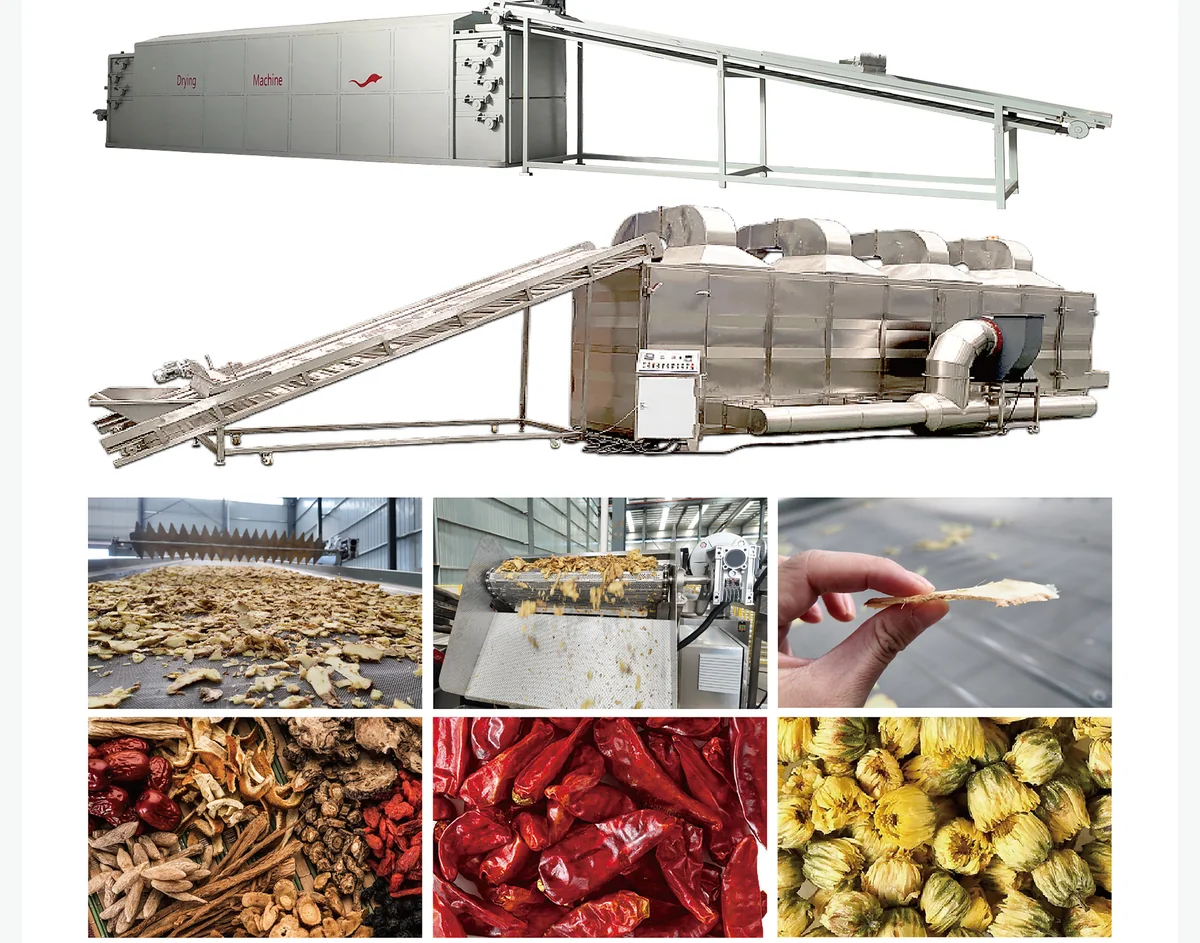
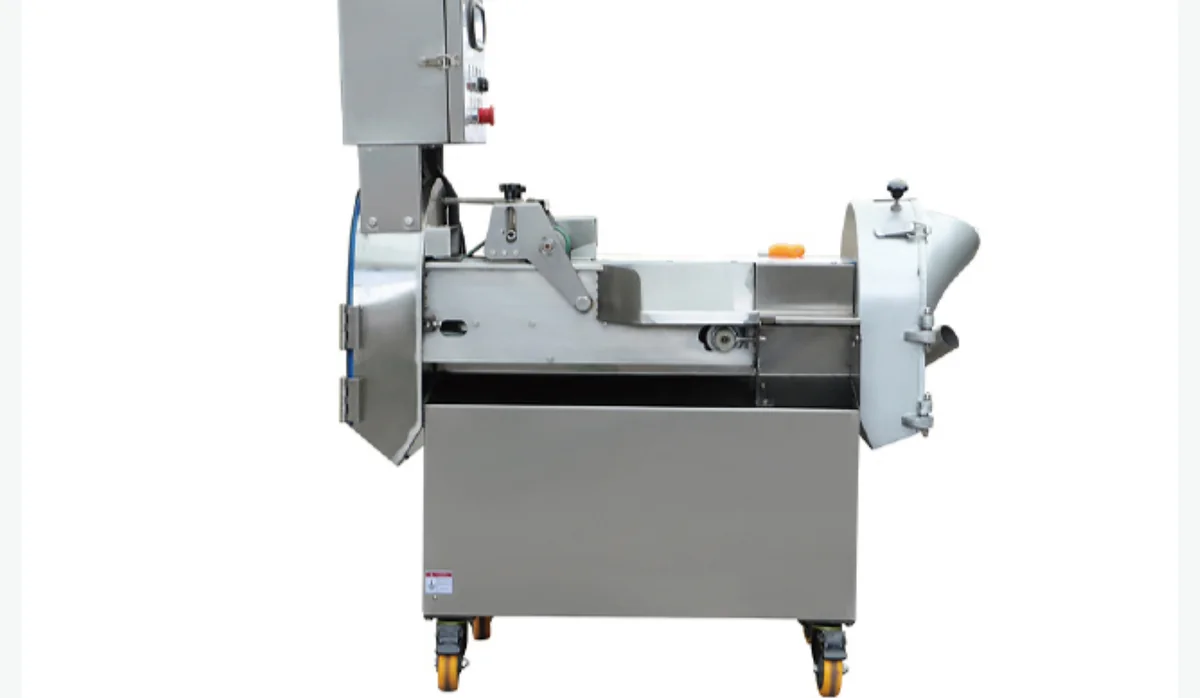
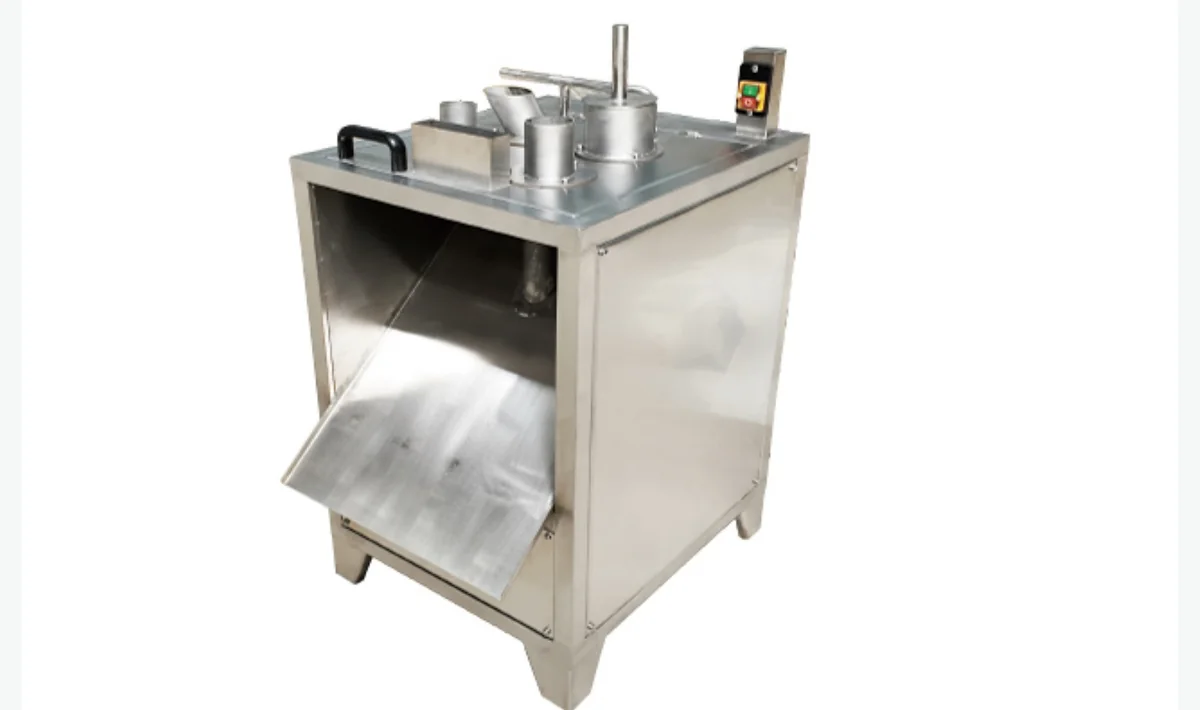
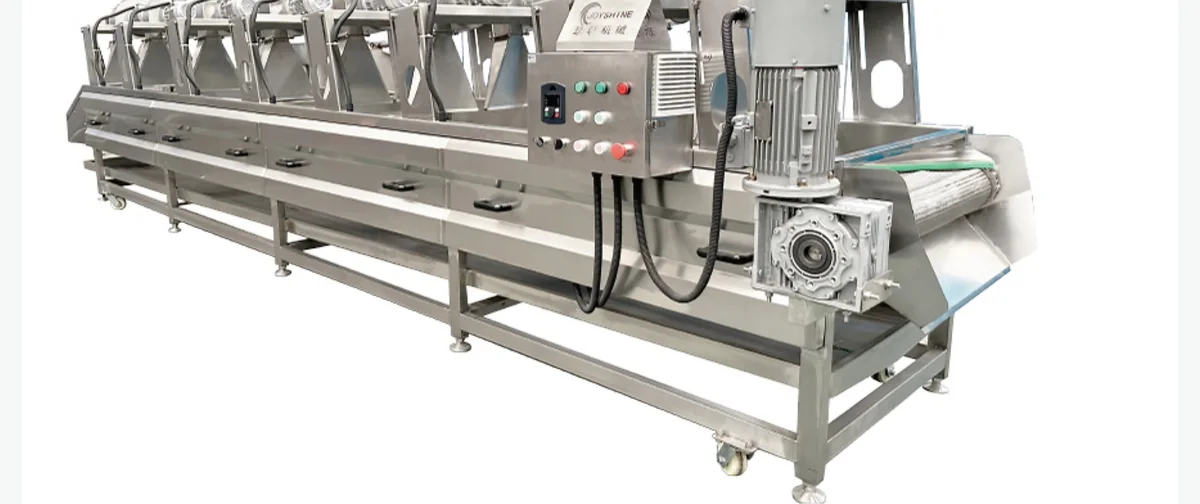
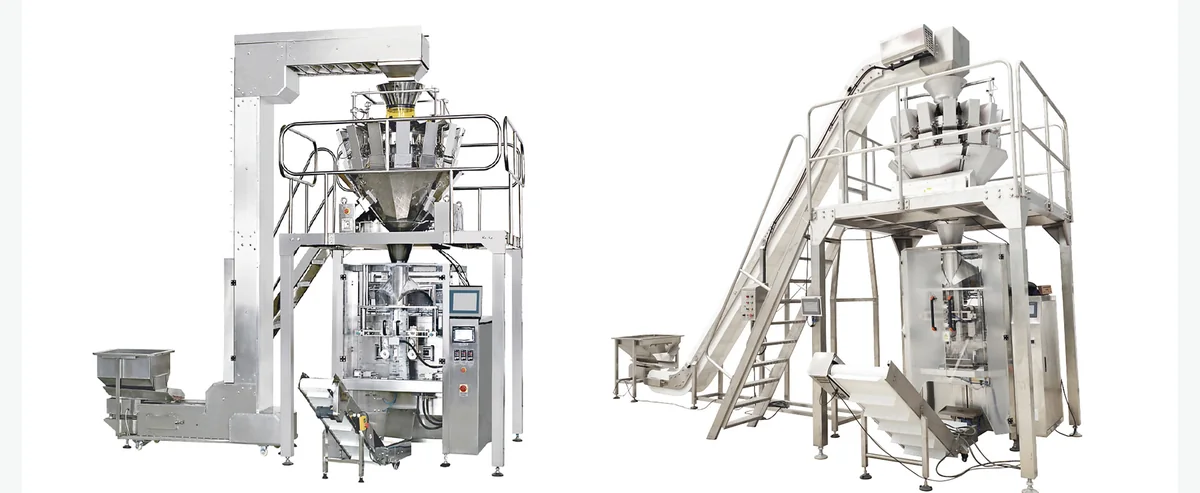
A continuous hot-air drying line with automatic feeding, multi-layer conveying, controlled drying and discharge.
Production line overview
Line overview
Multi-Layer Drying Production Line
A continuous hot-air drying line with automatic feeding, multi-layer conveying, controlled drying and discharge.
Material preparationControlled feedingMulti-layer mesh-belt dryerTemperature and humidity controlCooling or conditioningDischarge and packing interface
Raw materialPrepared food or agricultural material with confirmed initial moisture and loading thickness
Finished productDried material at the agreed final moisture and product condition
Indicative outputConfigured after the moisture tests, with the output figure set against the moisture at discharge rather than the hourly weight.
Operator requirementsLabour is concentrated at the infeed and the discharge inspection, with the dryer sections running automatically.
Factory and utilitiesPlan the room for the heat source and the extraction at the dryer section, and confirm the roof height and the duct routes.
Confirm before quoteMaterial, initial and final moisture, loading depth, drying temperature, heat source, capacity, exhaust, cooling and layout
Acceptance basis
Define the result before final configuration.
Agree sampling method, initial moisture, final moisture tolerance, colour or texture target, test duration and energy-measurement boundary.
Planning information
Facts to settle before a line quotation.
Raw material and finished product
State the product and the moisture it arrives at, because the drying capacity is set by how much water has to leave it and how fast it has to go. Give the throughput per hour and the size range, since a thin slice and a whole root release water at very different rates. Say whether the product comes from a fryer, a blancher or fresh.
Capacity and operating schedule
State the hourly input and the target moisture at discharge, and say whether the product continues to a freezer, a packing machine or a storage bin, because the acceptable residual moisture depends on what happens next. State the working hours and whether the line runs continuously or in campaigns, and whether both single-layer and multi-layer sections are needed.
Utilities and layout
Drying is the stage where the layout is decided by heat and airflow, so fix the heat source and the extraction route first. Confirm the power supply and the fuel or steam source against the chosen heating method, and the air volume and the duct sizes against the dryer section. Plan the infeed conveyor and the discharge cooling run in a straight line.
Scope and acceptance
List the infeed, the dryer sections, the cooling, the sorting and the packing, with the control package, the spare parts, the installation support and the training. The airflow and the heat source belong in the written scope, since they determine the drying result and are project-specific.
Project boundary: Final model, output, dimensions, utilities, food-contact material scope, price, delivery and service boundary require technical and commercial confirmation before quotation.
Equipment configuration
Related equipment pages
These links move from one machine to the full process requirement for the project.
What is a multi-layer drying production line used for?
It is a continuous hot-air drying line with automatic feeding, multi-layer conveying, controlled drying and discharge, used for prepared food or agricultural material at a confirmed initial moisture and loading thickness.
How is the drying line capacity determined?
Drying line output is set after the material trials and the process review. It follows from the material, the initial and final moisture, the loading depth, the drying temperature, the heat source and the exhaust conditions.
What should be agreed as the acceptance basis for a drying line?
Agree the sampling method, initial moisture, final moisture tolerance, colour or texture target, test duration and the energy-measurement boundary before the configuration is finalised.
Technical review
Confirm product, output, utilities and factory layout.