Raw material preparation
Garlic Clove Separating Machine
A preparation machine for separating garlic bulbs into cloves before peeling, grading or packing.
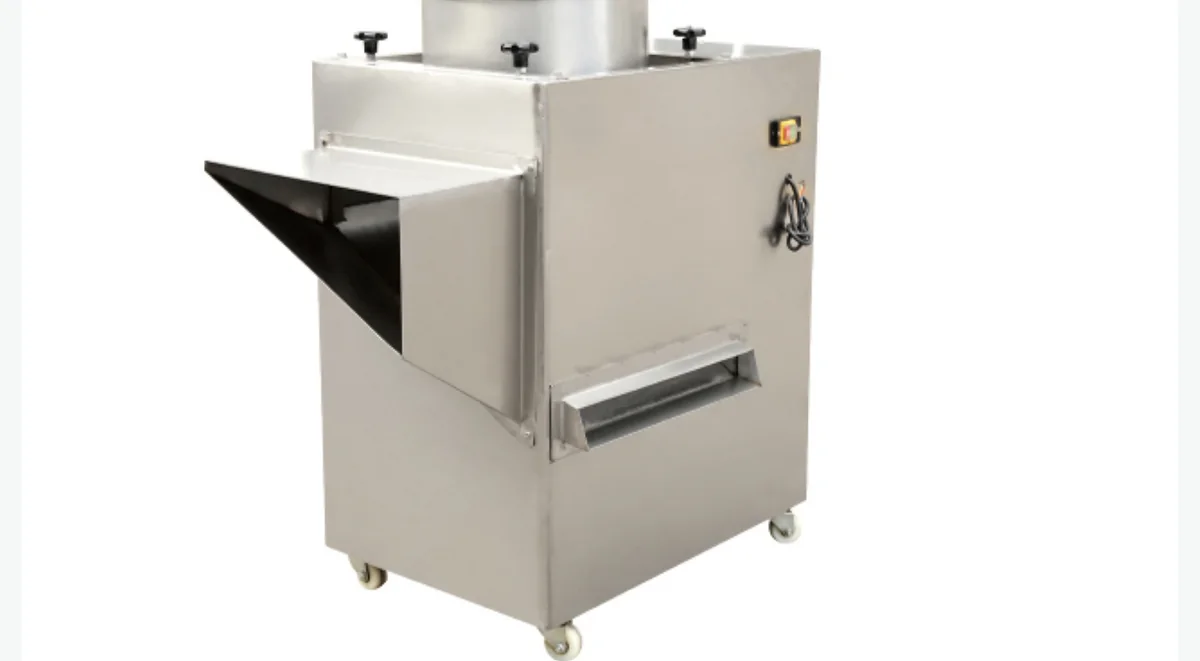
Equipment overview
Garlic Clove Separating Machine
A preparation machine for separating garlic bulbs into cloves before peeling, grading or packing.
Ideal applicationsDry garlic bulbs suitable for mechanical clove separation
Typical process
Where this machine fits
- Garlic bulb feeding
- Controlled clove separation
- Loose skin and impurity handling
- Discharge to grading or peeling
Product highlights
Configuration points that matter
- The separation setting must be checked against bulb condition to balance separation rate and clove damage.
- Upstream grading and downstream peeling or sorting can be connected after layout review.
Confirm before quotation
Garlic variety, bulb size, moisture condition, separation target, damage limit and required output
Buyer review points
Information that helps confirm the right model.
Material condition
Share the raw material size range, moisture or surface condition, temperature, impurity level and whether the product has already been washed, peeled, cut or cooked before this machine.
Output basis
State whether the required capacity is raw material input, finished product output, hourly output or daily production. Capacity is reviewed together with feeding method, operating hours and downstream speed.
Factory connection
Confirm voltage, phase, frequency, available power, water, drainage, compressed air, heating source, floor space, doorway size and the height or direction of upstream and downstream transfer.
Acceptance method
Before order confirmation, define the sample material, test condition, finished product standard, inspection point and service boundary so that model selection and quotation are based on the same project facts.
Frequently asked questions
Questions to settle before selection
Can the machine be connected to a complete line?
Yes. The feeding height, discharge direction, conveyor speed and controls need to be reviewed with the complete process.
Can voltage and controls be configured for my country?
Voltage, phase, frequency, control language and component scope can be reviewed after the destination and factory utilities are confirmed.
Is the capacity guaranteed by the website?
No. Website figures are reference information. Capacity and finished-product results require confirmation with the actual material and agreed test conditions.
Project boundary: Final model, output, dimensions, utilities, food-contact material scope, price, delivery and service boundary require technical and commercial confirmation before quotation.
Configuration request