Cutting & size reduction
Food Dicing Machine
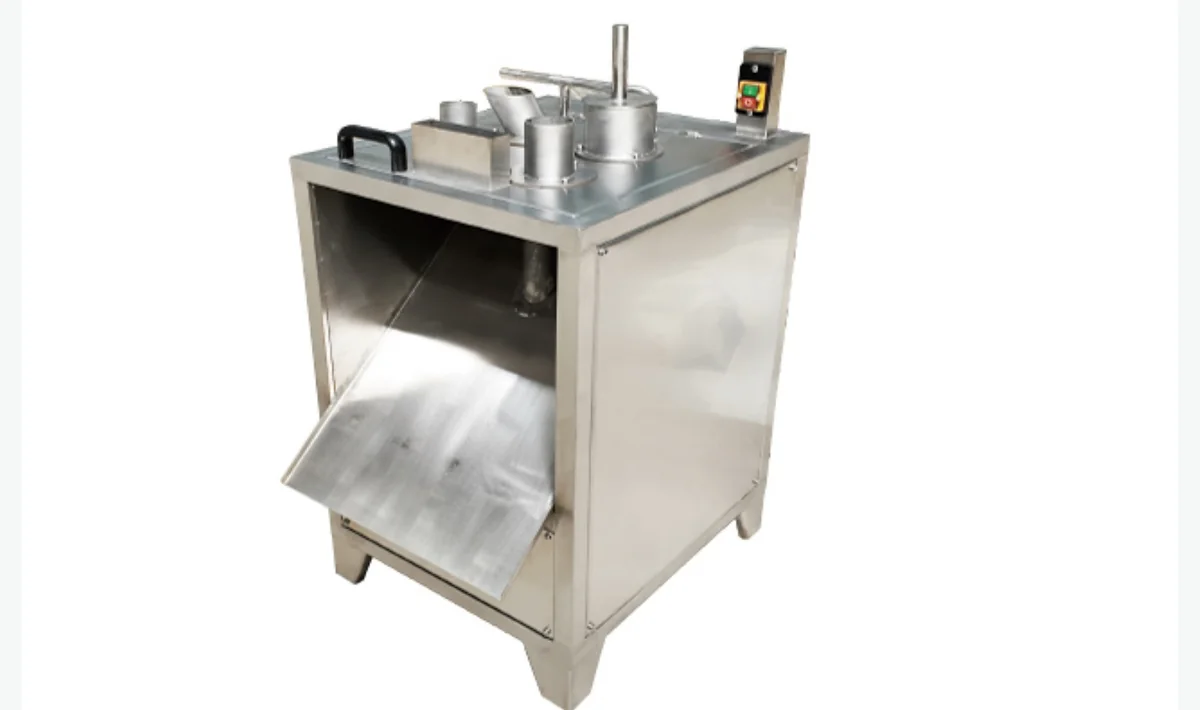
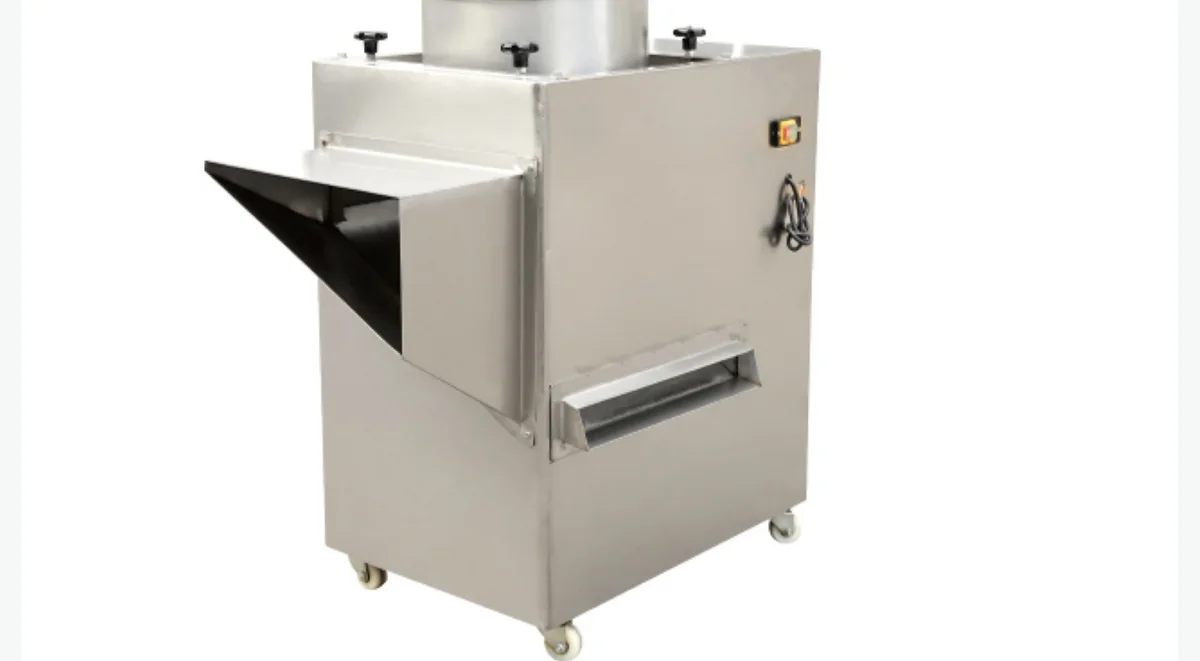
A size-reduction machine for producing an agreed dice format from suitable fruit, vegetables, meat or prepared food materials.
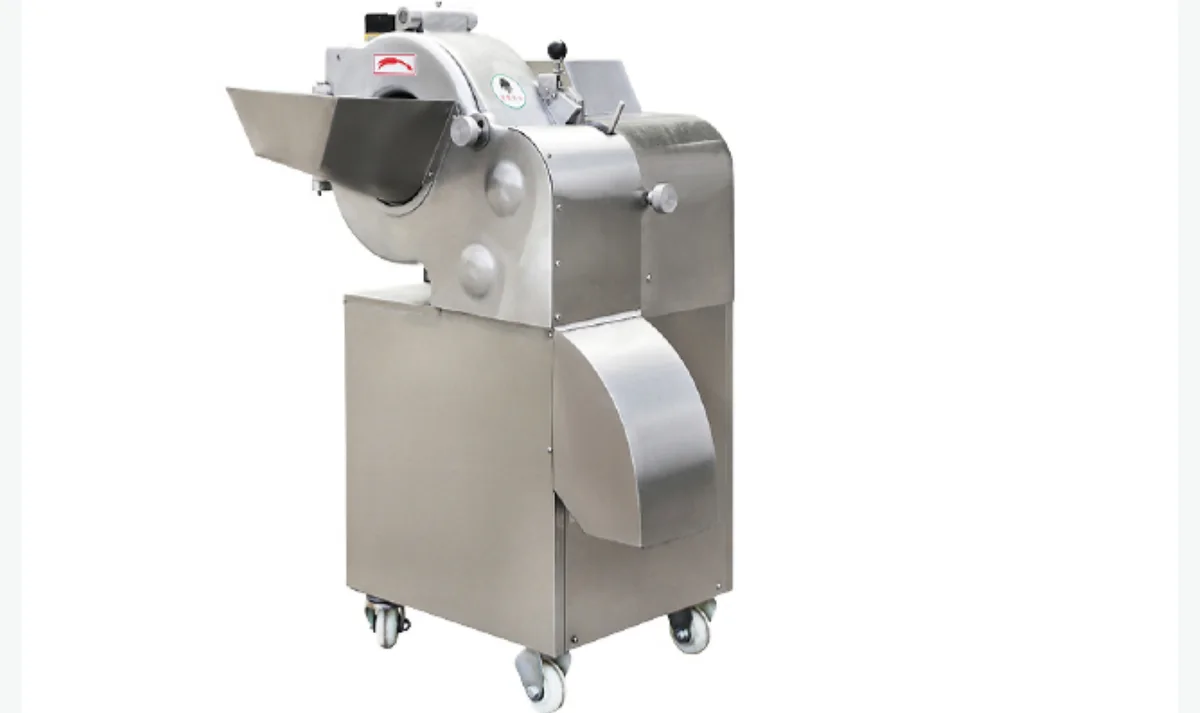
Equipment overview
Food Dicing Machine
A size-reduction machine for producing an agreed dice format from suitable fruit, vegetables, meat or prepared food materials.
Ideal applicationsSuitable fruit, vegetables, meat and prepared products after cutting trials
Typical process
Where this machine fits
- Prepared material feeding
- Multi-direction cutting
- Dice-size inspection
- Discharge to cooking, freezing or packing
Product highlights
Configuration points that matter
- Cut result depends on product firmness, temperature and blade selection.
- Target dimensions and acceptable product loss should be written into the test requirement.
Confirm before quotation
Product firmness, incoming size, target dice dimensions, blade set, temperature and required output
Buyer review points
The points that confirm the right model for this project.
Material condition
State the vegetable or fruit, its size range and whether it arrives peeled, washed or raw, because the infeed preparation and the achievable cut size follow from that. Give the maximum cube or slice dimension the product has to reach and the acceptable variation, since a dicer that produces a wide spread of sizes changes the downstream cooking time.
Output basis
Give the hourly input and the finished diced output, and the cut size the project has to reach. State the working hours and whether the machine runs one product or several, since a changeover includes a clean-down and a re-set of the cut. Say whether the diced product goes to a fryer, a freezer or fresh packing, because the transfer arrangement differs.
Factory connection
Confirm the power supply against the drive, and the infeed table height and discharge height against the room, because dicers are usually set into a line rather than freestanding. Leave access for the grid or blade change and for cleaning under the machine, and plan where the rejected trim goes.
Acceptance method
Agree the test on one specified raw material and one cut setting: the cube or slice dimensions across the sample, the acceptable size variation, the damage rate on the cut edges, and the yield after trim. Record the blade or grid used, the sample size and the number of samples in the same document, because size is checked by measurement and needs a written tolerance.
Frequently asked questions
Questions to settle before selection
What determines the dice size and shape?
The target dimensions, blade set and incoming material condition must be reviewed together. Confirm the cut using the intended product rather than relying on a nominal blade size alone.
Why should firmness and product temperature be recorded in a dicing trial?
Prepare samples at the intended processing temperature and firmness. Record size consistency and acceptable product loss so blade selection is reviewed against the material the machine will actually handle.
Can one dicer be selected for vegetables and meat without testing?
Each intended material needs a cutting review. Provide incoming size, firmness, temperature and required output so the tooling and handling arrangement can be confirmed.
Project boundary: Final model, output, dimensions, utilities, food-contact material scope, price, delivery and service boundary require technical and commercial confirmation before quotation.
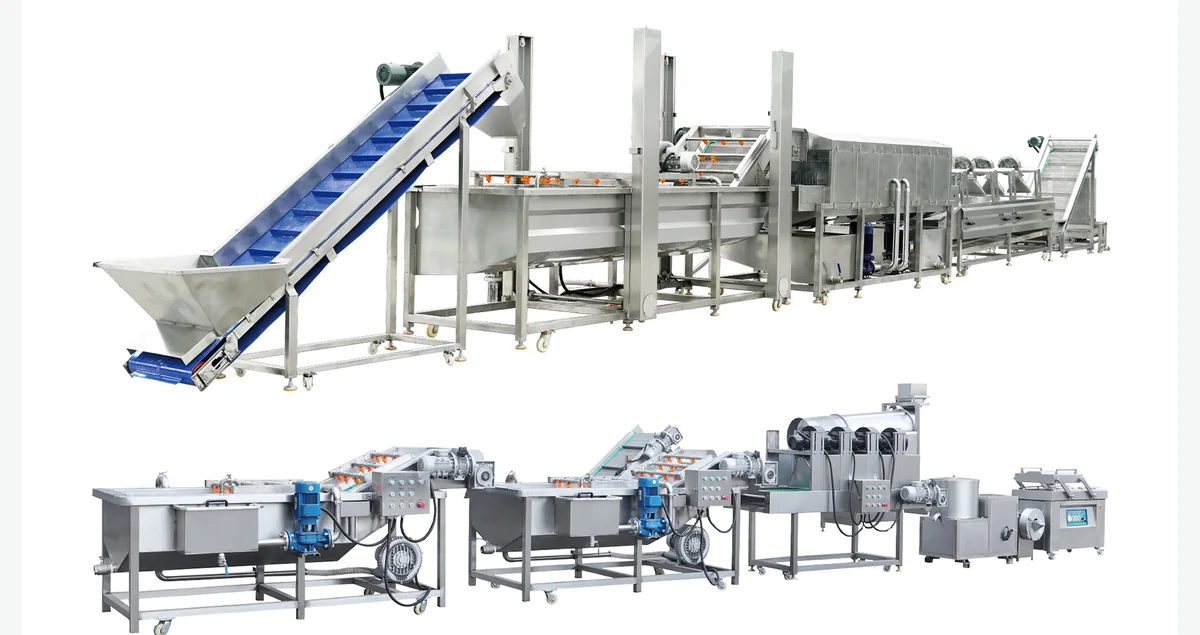
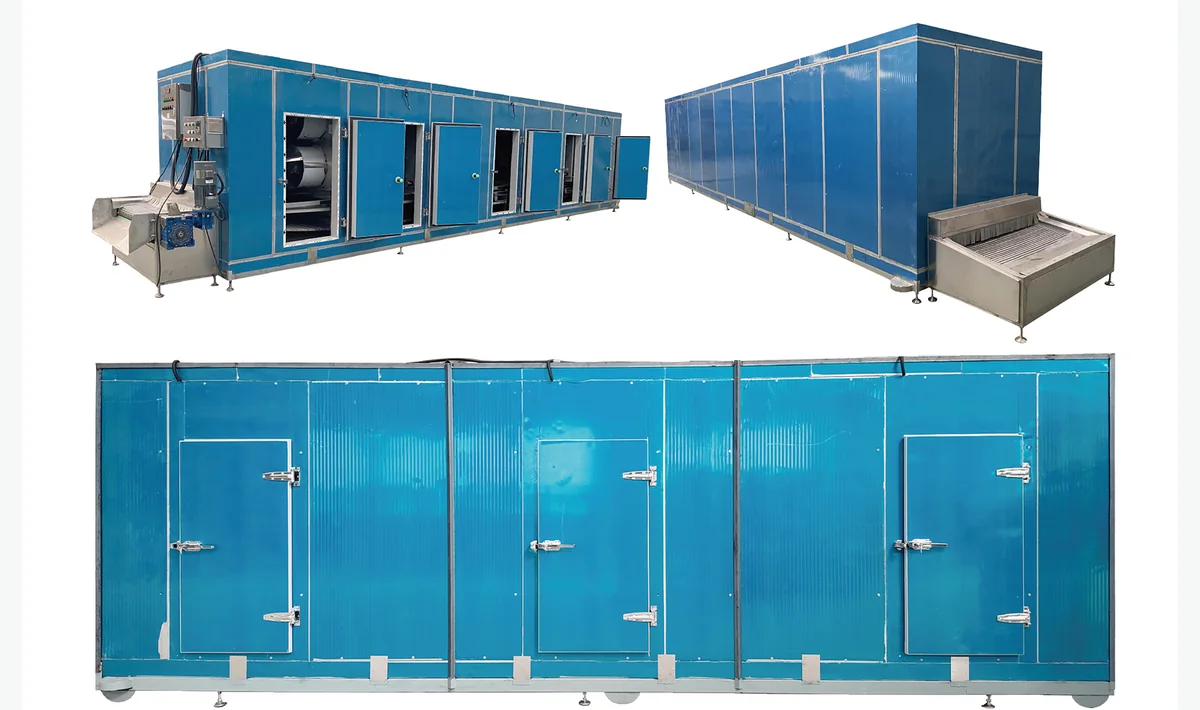
Line connection
Where this machine sits in the line
Move from cutting to the washing, blanching and packing stages.
Related equipment
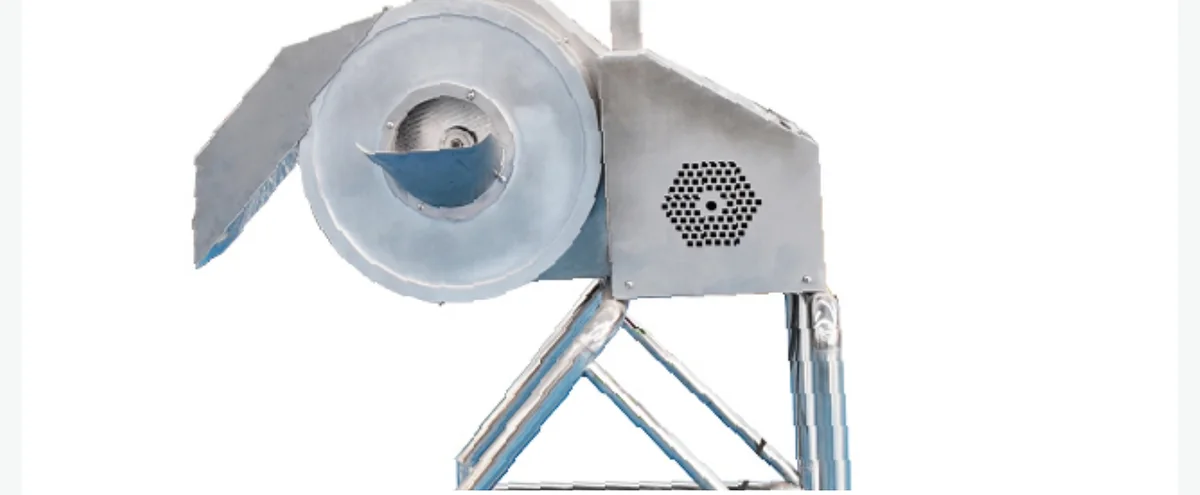
Other cutting and preparation machines
Move between size-reduction and preparation machines before confirming the configuration.
Configuration request