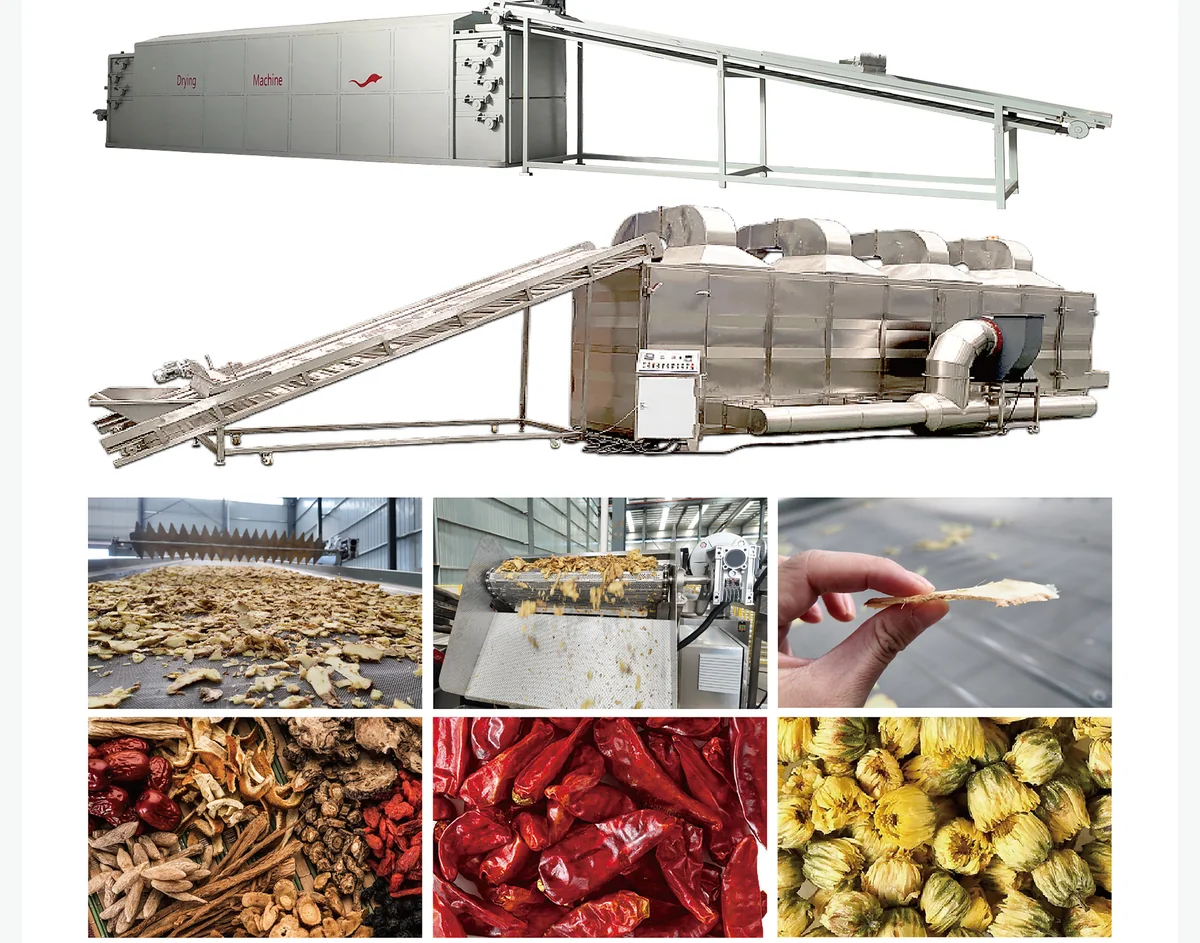
Material condition
Share the raw material size range, moisture or surface condition, temperature, impurity level and whether the product has already been washed, peeled, cut or cooked before this stage.
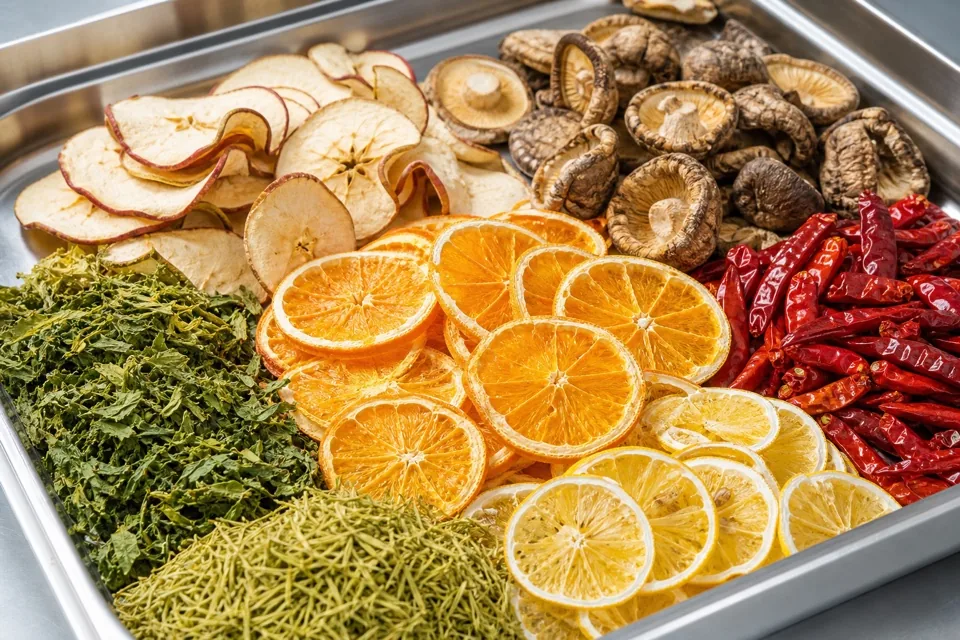
Dried fruit, vegetables and ingredients
Drying-line selection starts with initial moisture, final moisture, material thickness, heat source and production rhythm.
Application overview
Drying-line selection starts with initial moisture, final moisture, material thickness, heat source and production rhythm.
Typical process
Confirm before configuration
Raw material condition, target finished product, required output, factory utilities and local requirements.
Buyer review points
Share the raw material size range, moisture or surface condition, temperature, impurity level and whether the product has already been washed, peeled, cut or cooked before this stage.
State whether the required capacity is raw material input, finished product output, hourly output or daily production. Capacity is reviewed together with feeding method, operating hours and downstream speed.
Confirm voltage, phase, frequency, available power, water, drainage, compressed air, heating source, floor space, doorway size and the height or direction of upstream and downstream transfer.
Before order confirmation, define the sample material, test condition, finished product standard, inspection point and service boundary so that module selection and quotation are based on the same project facts.
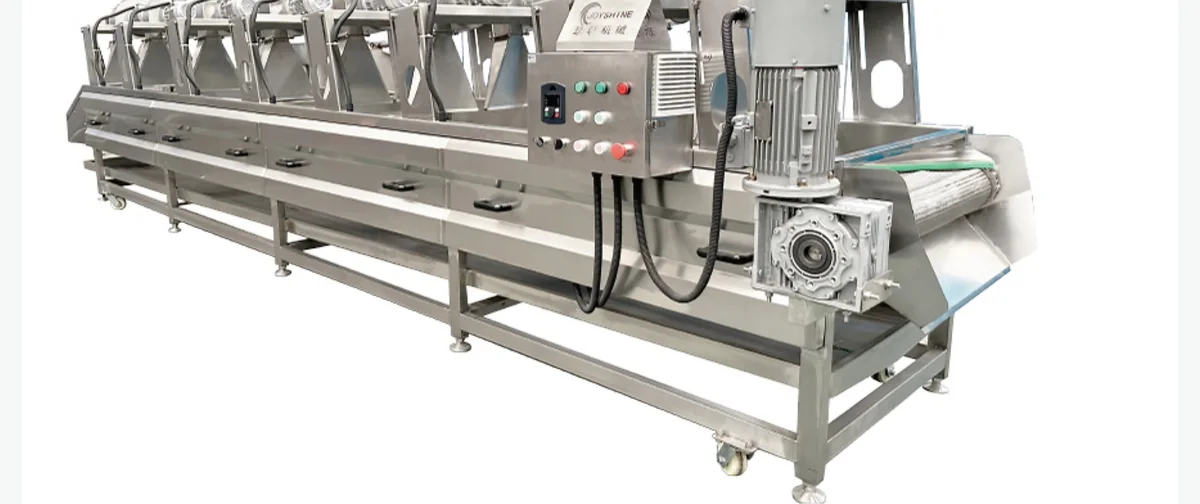
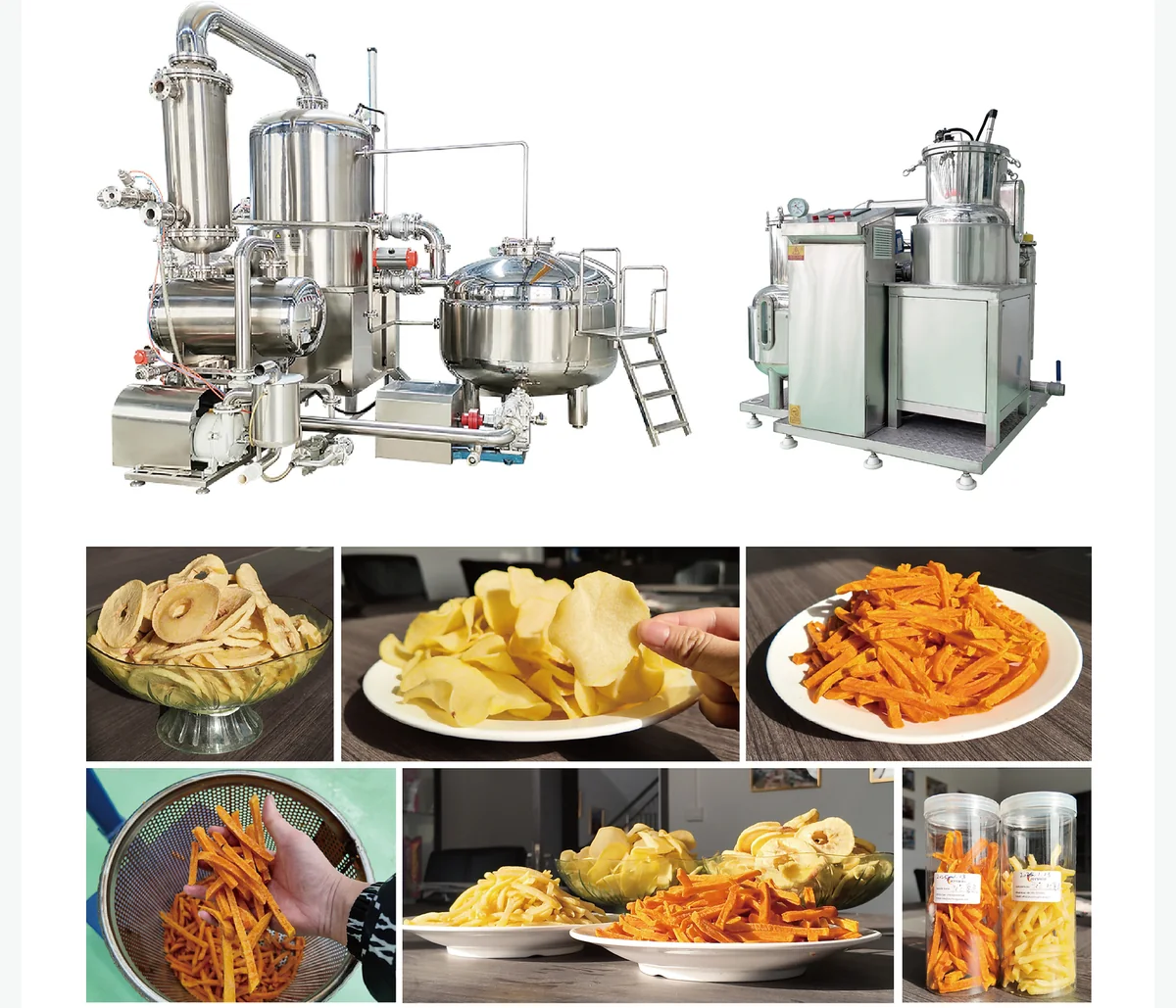
An air-drying conveyor after washing removes free surface water. Producing dried fruit, vegetables or ingredients requires a separately reviewed moisture-removal process. Record initial and final moisture, piece thickness, load depth and the required colour or texture. Hot-air drying and vacuum low-temperature dehydration are different routes; neither should be selected solely from an unverified energy-saving claim.
区分表面去水与物料干燥:清洗后的风干输送机主要去除表面游离水。生产果蔬干或配料需要另行审核脱水工艺,记录初始及最终含水率、厚度、料层和颜色口感。热风干燥与真空低温脱水是不同路线,不应仅凭未经核验的节能宣传选型。
Raw input and dried output are not equivalent capacity figures. Agree the moisture measurement basis and test material, then review airflow, heat source, exhaust and product residence time. Cooling and moisture-resistant packing also affect the finished result. Any shelf-life or food-safety claim needs product testing and a validated process, not only an equipment temperature setting.
按脱水负荷核算有效产能:原料投入与干品产量不是同一产能口径。先约定含水率测量基准和试机物料,再核对风量、热源、排湿及停留时间。冷却和防潮包装也影响成品。保质期及食品安全需产品测试和工艺验证,不能只依赖温度设定。
应用与选型问题
A surface air dryer is not a substitute for a drying process designed to reach a confirmed moisture target. Shelf stability depends on the product, validated processing, packing and storage conditions.
果蔬风干机能直接生产常温稳定的果干吗?:表面风干不能替代达到目标含水率的干燥工艺。常温稳定性取决于产品、经验证的加工、包装和储存条件。
Compare raw input, initial moisture, final moisture, loading pattern and accepted finished output under the same test conditions. A raw-material hourly rating cannot be used as the dried-product output without a mass-balance review.
如何比较干燥产能?:在相同测试条件下比较原料投入、初始终含水率、装载方式和合格干品产量,不能直接把原料小时处理量当作干品产量。
Provide sample material, thickness, moisture targets, colour and texture requirements, heat availability and operating schedule. Confirm the complete process, including preparation, cooling, packing and any oil-handling requirements for the selected technology.
选择热风或真空脱水前需要什么?:提供样品、厚度、含水目标、颜色口感、可用热源及工时,并确认前处理、冷却、包装以及所选技术涉及的油路处理要求。
Project boundary: Final model, output, dimensions, utilities, food-contact material scope, price, delivery and service boundary require technical and commercial confirmation before quotation.
Equipment & line connection
Use these links to move from a single application to the specific machines and the full process requirement before quotation.
Configuration request