Raw materialPotatoes, bananas and other products approved for the selected process
Finished productPotato chips, French fries or banana chips according to the approved configuration
Indicative outputConfigured against the manual stations as much as the machines, with the upgrade path stated if the line is to become more automatic later.
Operator requirementsLabour is distributed along the manual handling points, and the shift figure is limited by how many people are on the line.
Factory and utilitiesPlan the room for the working positions and the aisle around each manual station, since that is often what limits the practical output.
Confirm before quoteProduct, target cut, batch rhythm, output, heating source, labour, frying result, packing and available floor space
Acceptance basis
Define the result before final configuration.
Agree test product, finished cut, frying result, batch output, acceptable breakage and packing interface.
Planning information
Facts to settle before a line quotation.
Raw material and finished product
State the potato variety and size range, the required finished texture and how much of the line is worked manually. A semi-automatic line is chosen precisely because part of the handling stays manual, so the labour plan and the division between machine handling and manual handling decide the layout, not the other way round.
Capacity and operating schedule
State the peak input per hour, the working hours and the labour available. The capacity of a semi-automatic line is limited by the manual stations as often as by the machines, so the shift figure should reflect how many people are actually on the line. Say whether the line will be upgraded to a fuller automatic arrangement later, because that decides how much room is left for it.
Utilities and layout
A semi-automatic line usually carries less heating and extraction load than a fully automatic one, but the manual stations still need power for conveyors, lighting and small tools, and the floor area has to hold the working positions. Confirm the electrical supply and check the aisle and working space around each manual station, since that is often what limits the practical output.
Scope and acceptance
List the preparation, the cutting, the blanching, the frying, the manual handling points, the cooling and the packing, with the control package, the spare parts, the installation support and the training. The labour plan and the manual handling points belong in the written scope, because they determine what the line can actually deliver.
Project boundary: Final model, output, dimensions, utilities, food-contact material scope, price, delivery and service boundary require technical and commercial confirmation before quotation.
Equipment configuration
Related equipment pages
These links move from one machine to the full process requirement for the project.
What stages does a semi-automatic fries and chips line include?
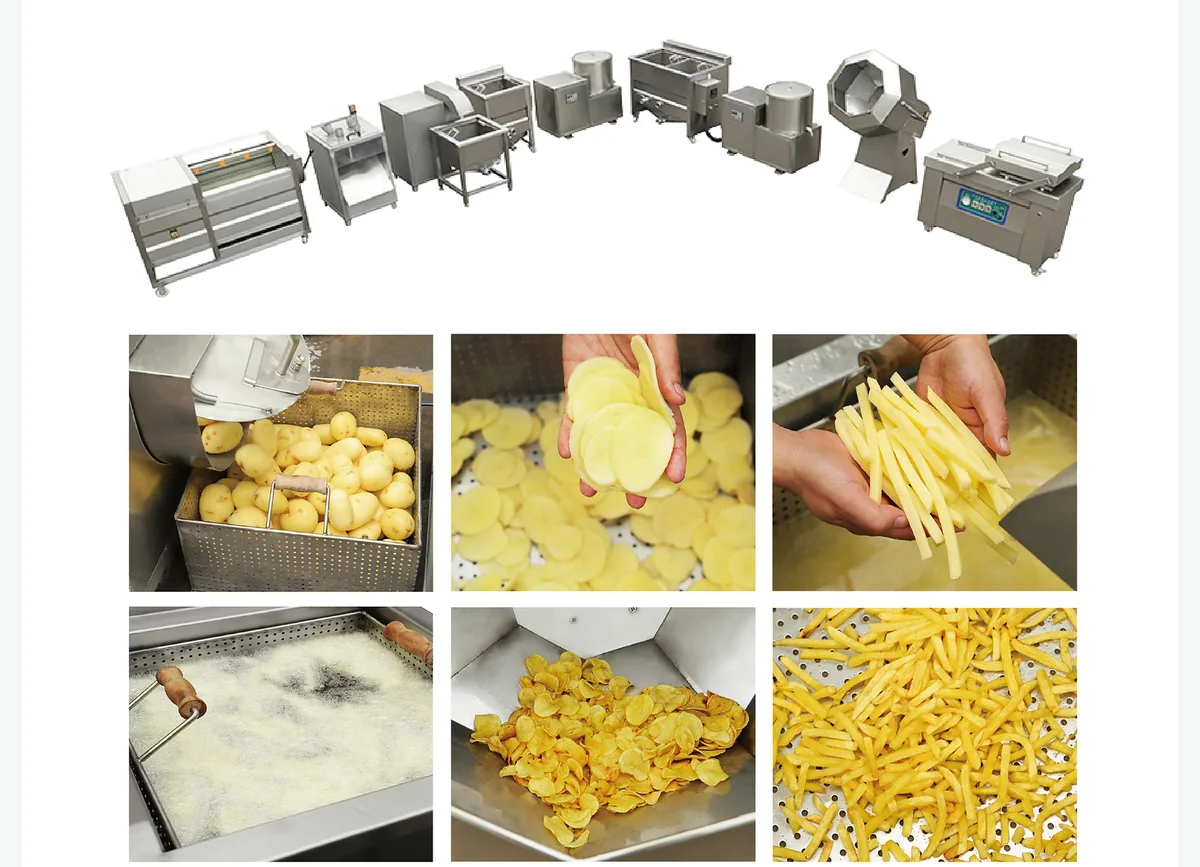
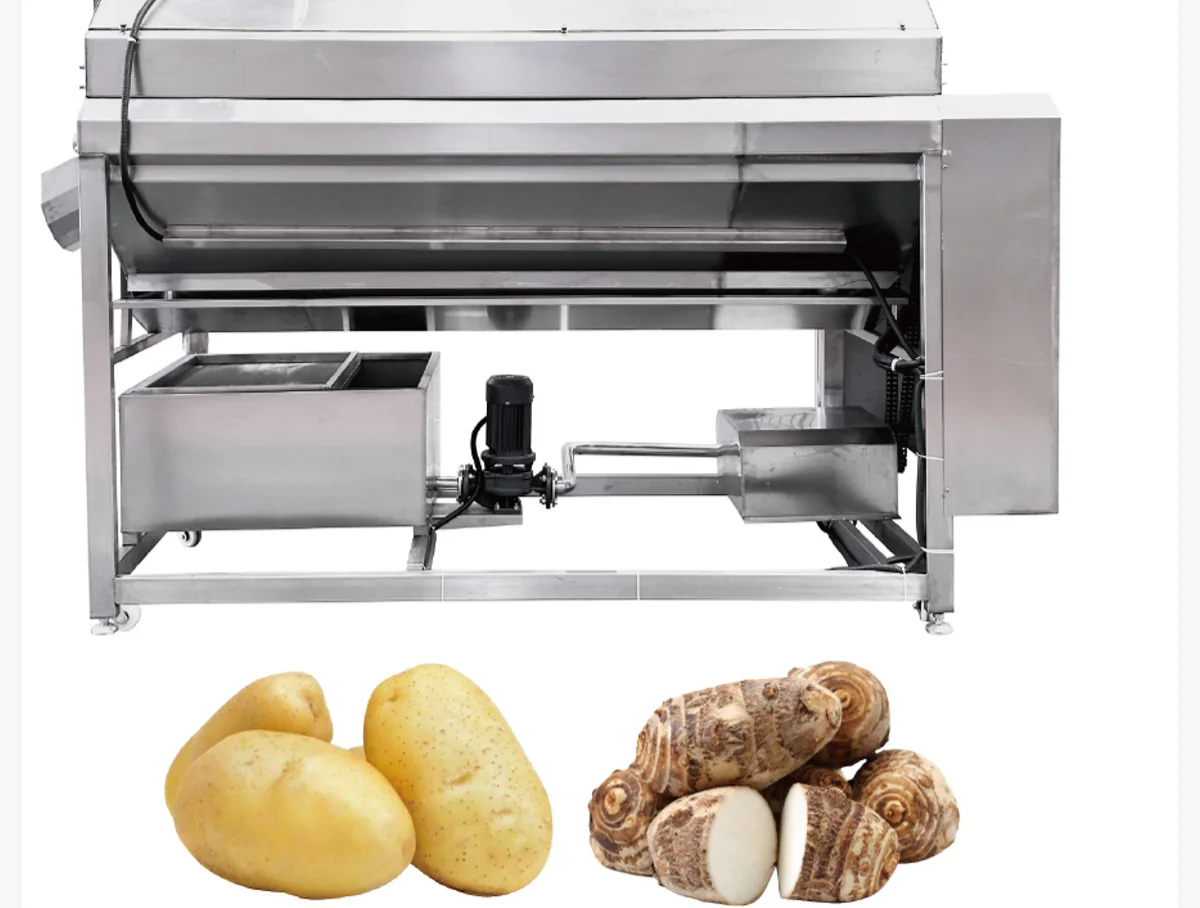
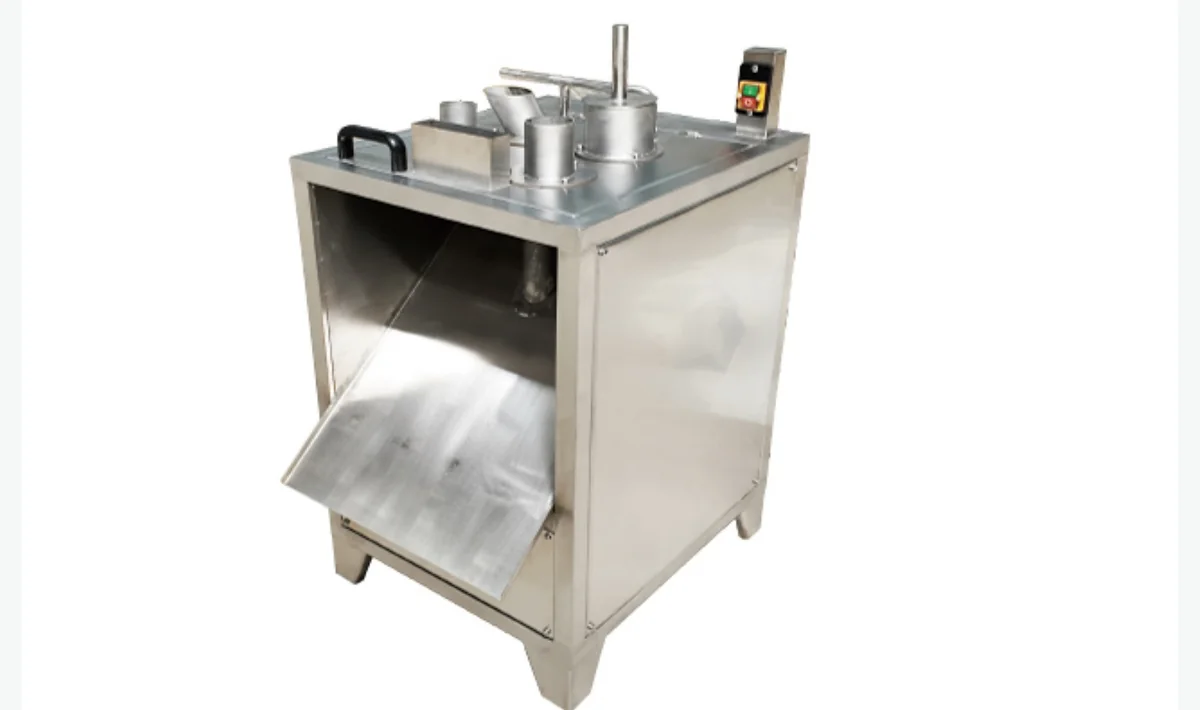
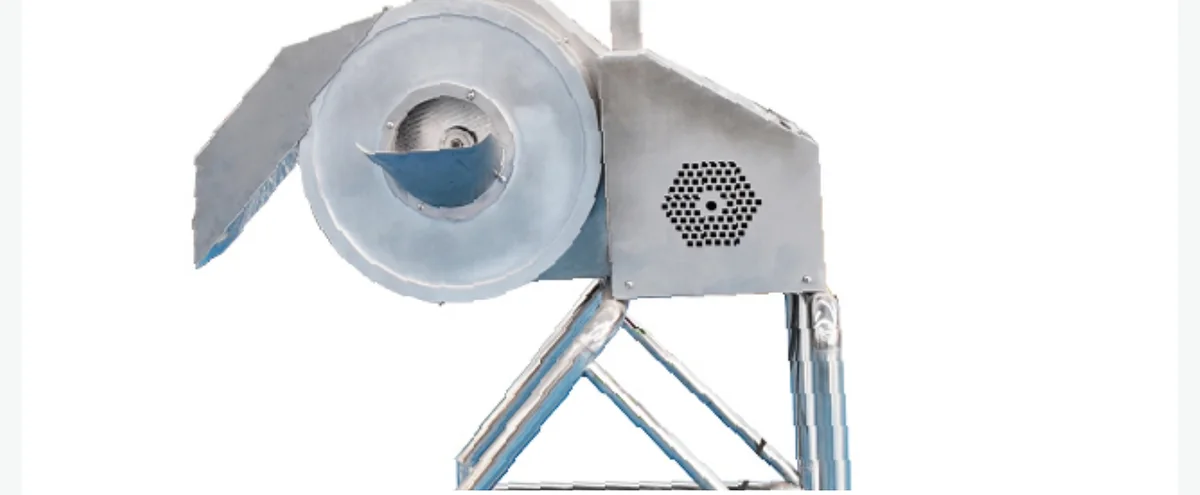
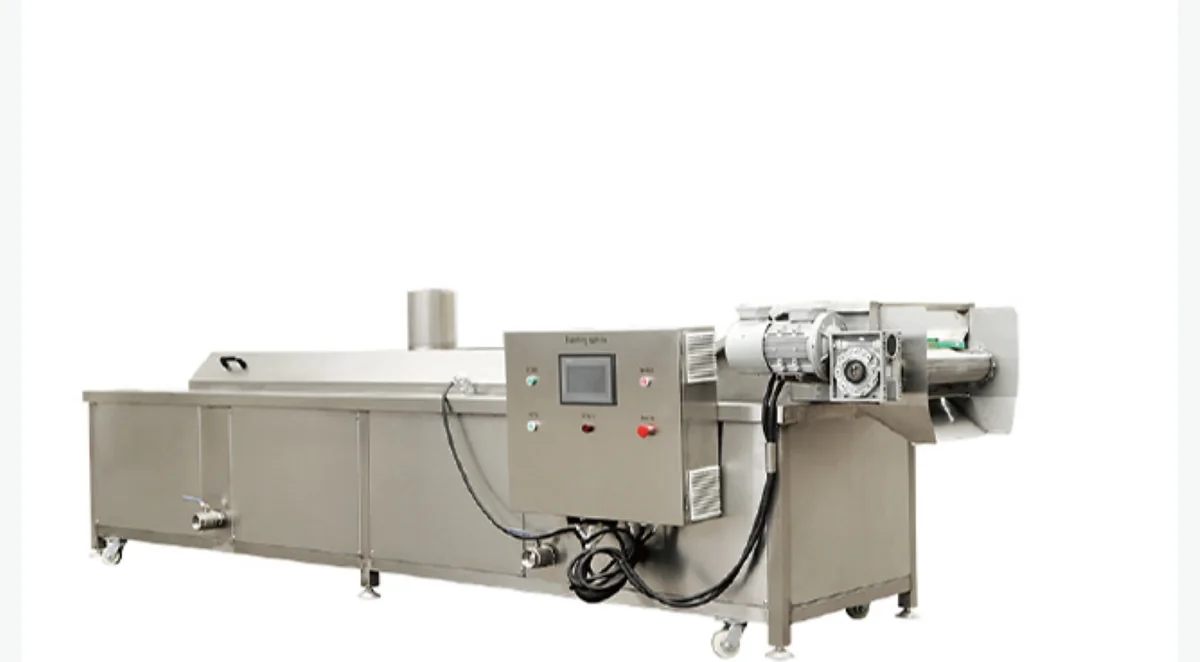
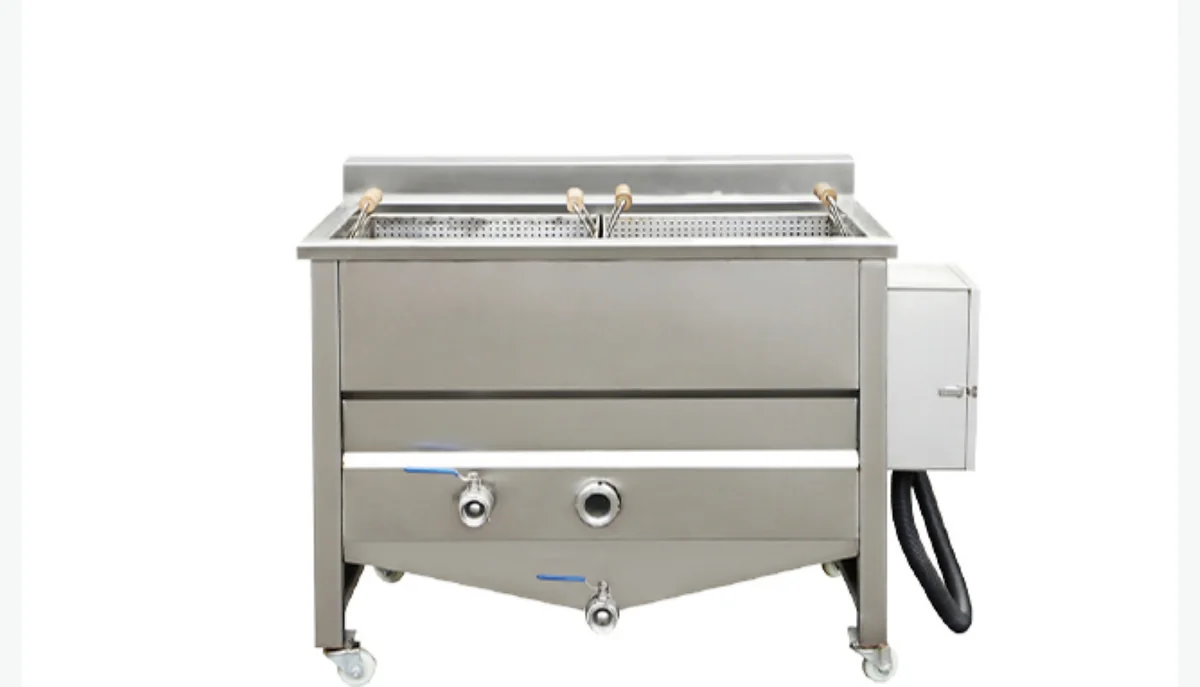
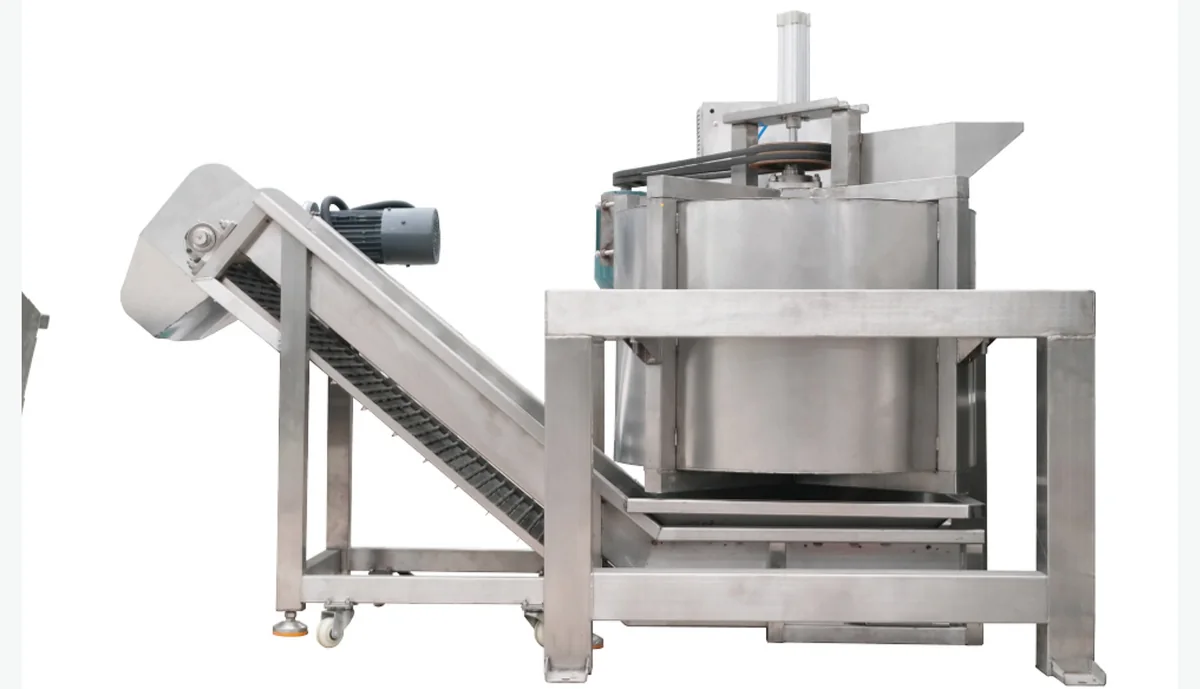
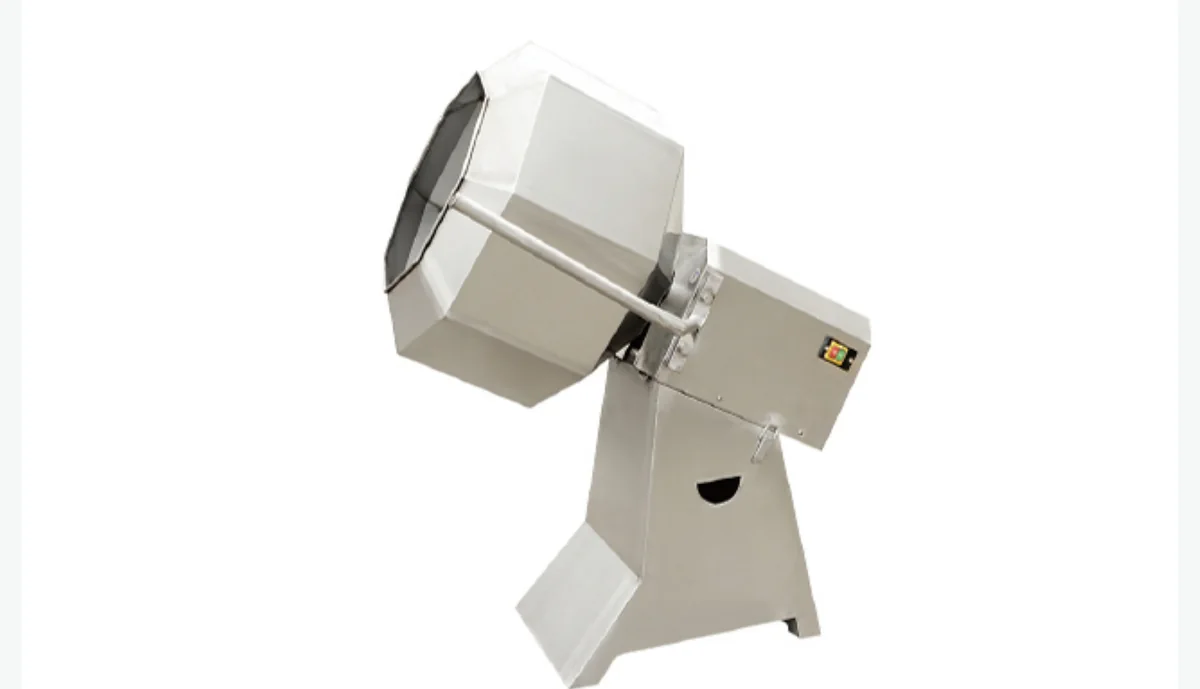
The modular line covers washing and peeling, cutting or slicing, blanching, dewatering, batch frying, centrifugal deoiling, batch seasoning and packing, so it can be built up step by step.
What output range suits a semi-automatic line?
An indicative output of 30-500 kg/h applies to small and medium potato-chip, French-fries or banana-chip projects. Final output depends on the product, labour arrangement and selected models.
Why choose a semi-automatic line instead of a fully automatic one?
It is a lower-investment modular option for small and medium projects. Staffing depends on the automation level, inspection points, packing method and local operating practice, so the labour arrangement should be reviewed before configuration.
Technical review
Confirm product, output, utilities and factory layout.