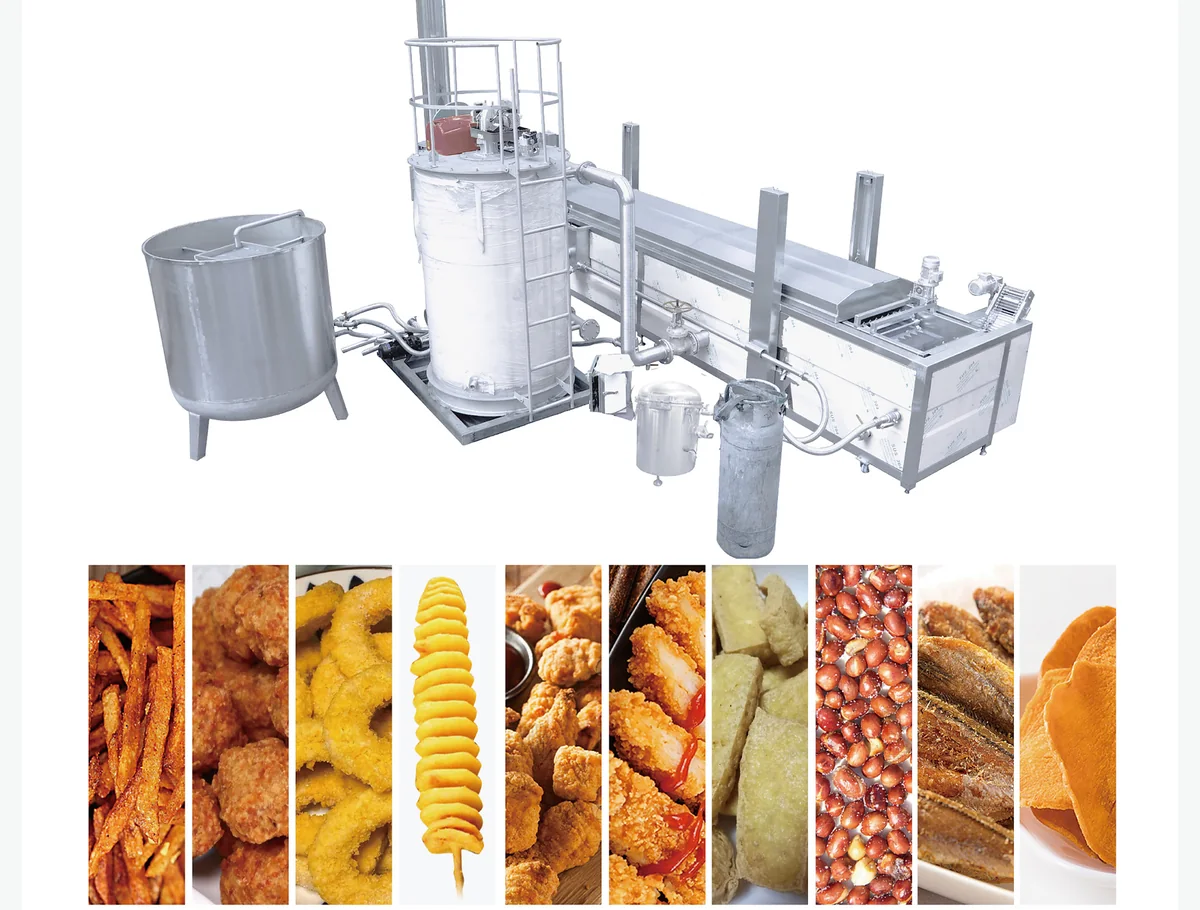
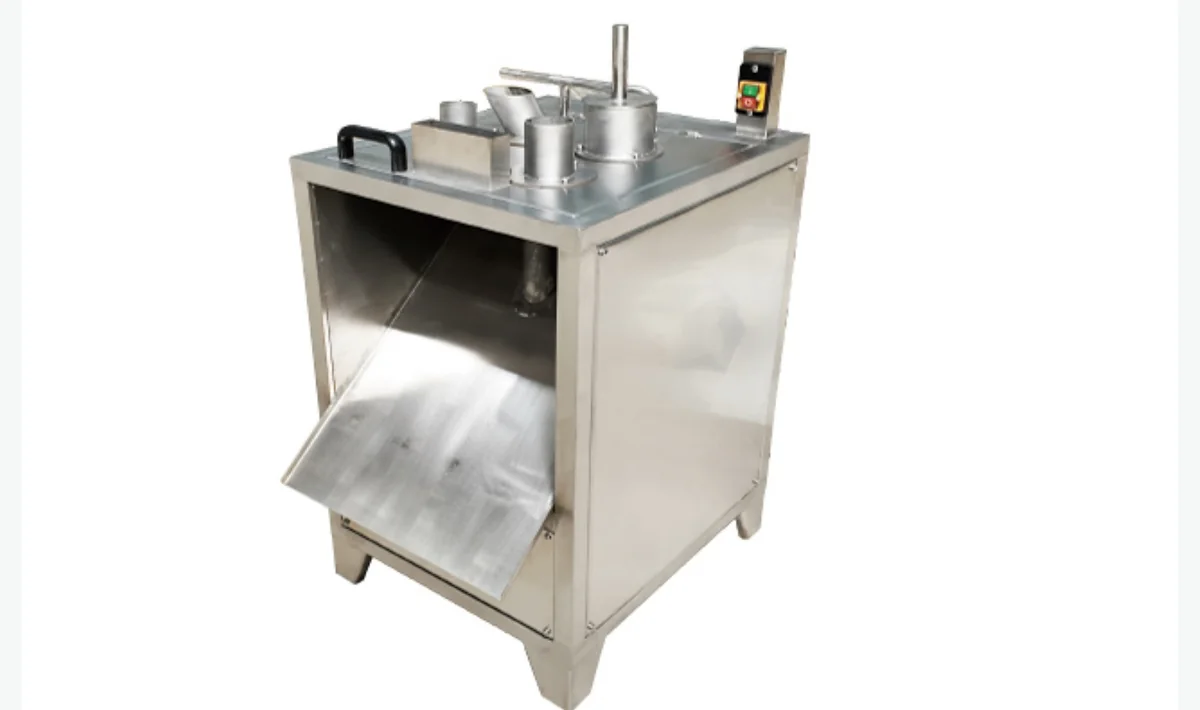
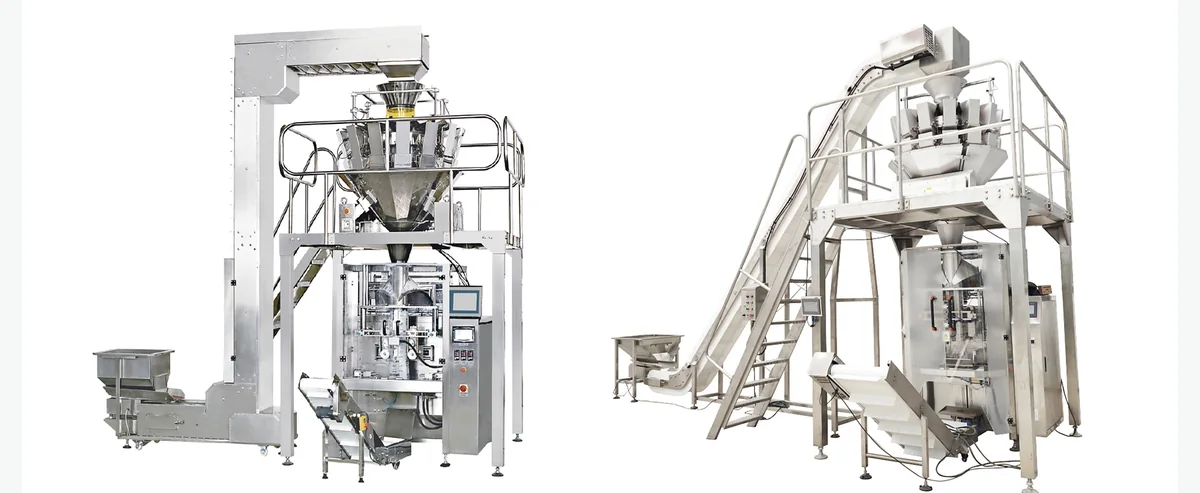
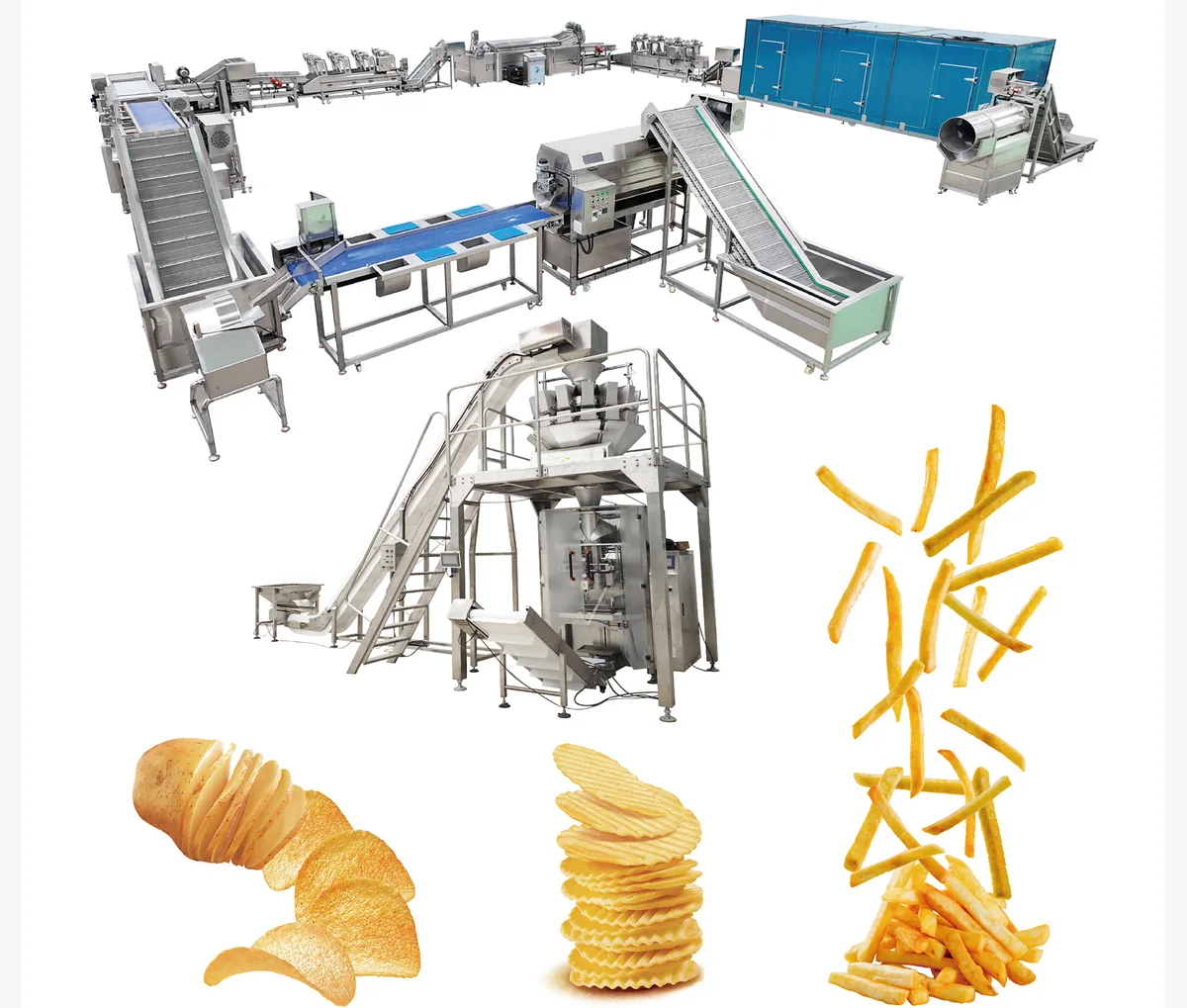
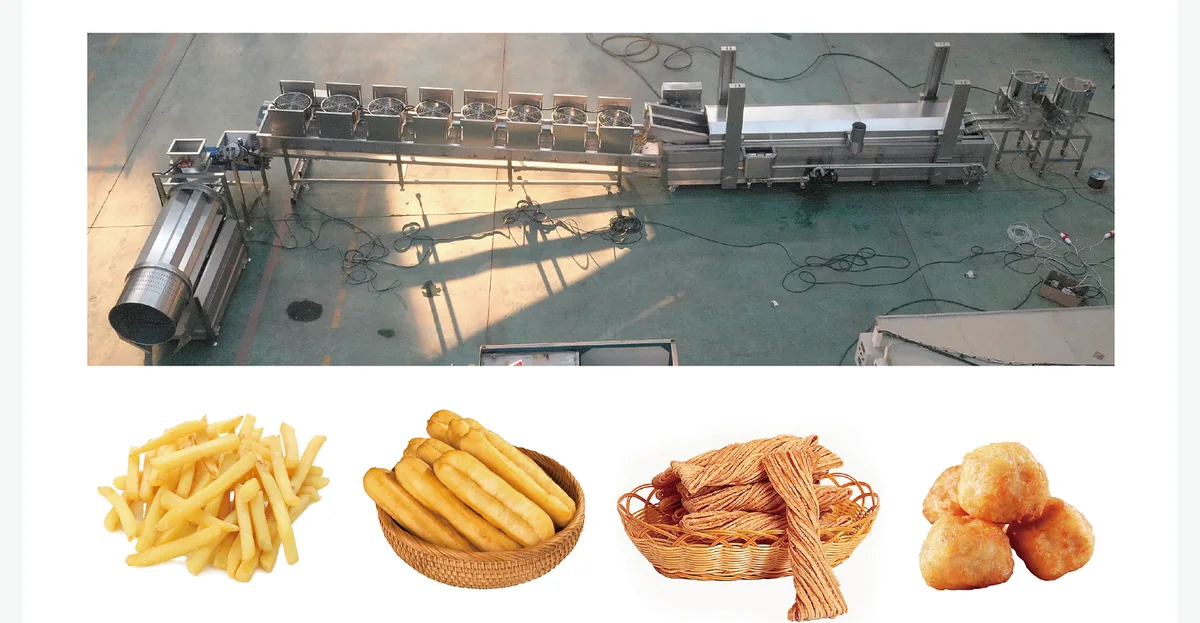
Choosing a food processing machinery supplier is a project decision, not only a price comparison. The supplier must understand the product, process, target output, factory utilities and acceptance boundary before a line can be configured responsibly.
This checklist helps food processors, distributors and project contractors compare suppliers using information that can be checked before a formal quotation is approved.
1. Check whether the supplier understands your product
A machine name does not define the complete process. Raw material size, moisture, temperature, shape, finished quality and changeover requirements can alter the equipment sequence.
A useful supplier should ask for product photos or samples, target output, process stages and finished-product requirements before recommending a final configuration.
- Raw material and incoming condition
- Finished-product size, colour, texture or moisture
- Required input and finished output per hour
- Product variety and changeover frequency
- Existing process problems or quality concerns
2. Compare the technical scope, not just the main machine
A production line often includes feeding, washing, cutting, treatment, drying, frying, cooling, seasoning, weighing and packing interfaces. A low machine price may exclude equipment required for the intended process.
Ask each supplier to identify included machines, controls, conveyors, utilities, optional modules and excluded work in the same format.
| Scope item | What to confirm | Why it matters |
|---|---|---|
| Process stages | Which steps are included from raw material to finished product | Prevents gaps between separate machines |
| Capacity basis | Input or finished output, test material and working hours | Avoids comparing different meanings of capacity |
| Utilities | Voltage, heating, water, drainage, air and refrigeration | The site must support the selected configuration |
| Controls | Control panel, sensors, interlocks and operator interface | Defines how the line will be operated |
| Service scope | Installation, commissioning, training, spare parts and support | Makes the total project responsibility visible |
3. Ask for evidence and clear boundaries
Good evidence is specific to the equipment or process under discussion. Review equipment photos, test videos, drawings, material specifications and anonymised project information where available and authorised.
The supplier should also state what is not confirmed. Capacity, certification, installation result, delivery date and after-sales responsibility should not be treated as guaranteed without technical and commercial review.
- Product photos showing the actual equipment or a clearly labelled reference
- Process or test video with the product and operating conditions identified
- Technical drawings and specifications for the proposed configuration
- Defined acceptance test and inspection responsibility
- Written exclusions, buyer-supplied utilities and installation boundary
4. Make quotations comparable
A quotation should separate the equipment scope from optional items, packing, freight, installation, spare parts and other project costs. The validity period, payment terms, delivery basis and change-control method should be visible.
When information is missing, record it as pending instead of assuming that it is included. This creates a better basis for technical clarification and commercial approval.
5. Questions to ask before placing an order
Before approval, ask the supplier to confirm the exact product, configuration, materials, utilities, delivery scope and acceptance method. The responsible technical and commercial teams should review the final document.
A short, complete question list is usually more useful than a long general brochure.
- What product and sample were used for the proposed process?
- What does the stated capacity mean and how will it be tested?
- Which machines and functions are included or excluded?
- What must the buyer prepare at the factory?
- What are the installation, training, spare-parts and support terms?
- What changes require a revised price or delivery date?
Supplier comparison checklist
- Product and finished-result understanding
- Capacity basis and working schedule
- Complete process and equipment scope
- Utility and factory requirements
- Evidence and technical documents
- Quotation exclusions and payment terms
- Acceptance and change-control method
- Installation and after-sales responsibility
Frequently asked questions
Should I choose the supplier with the lowest quotation?
The lowest quotation is not necessarily the lowest project cost. Compare the process scope, included equipment, utilities, installation, acceptance basis, delivery terms and service boundary before making a decision.
What information should I send before asking for a quotation?
Send the product description, raw-material condition, finished-product requirement, target output, working schedule, factory dimensions, utilities and any available product sample or drawing. Missing information should be marked as pending.
Can a supplier guarantee capacity before testing the product?
Capacity depends on the product, recipe, loading, process settings, equipment configuration and acceptance method. A final capacity statement should follow technical review and an agreed test basis.