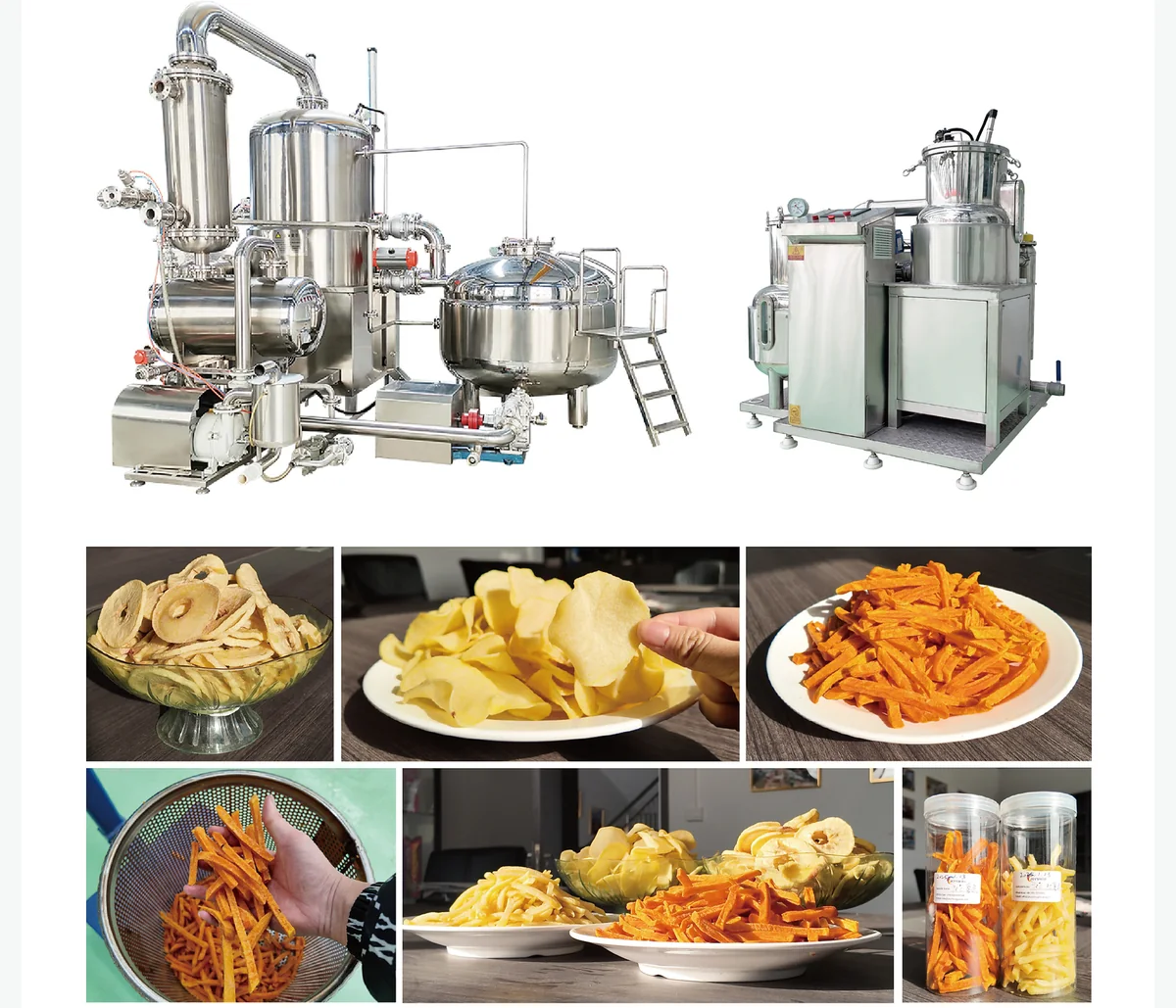
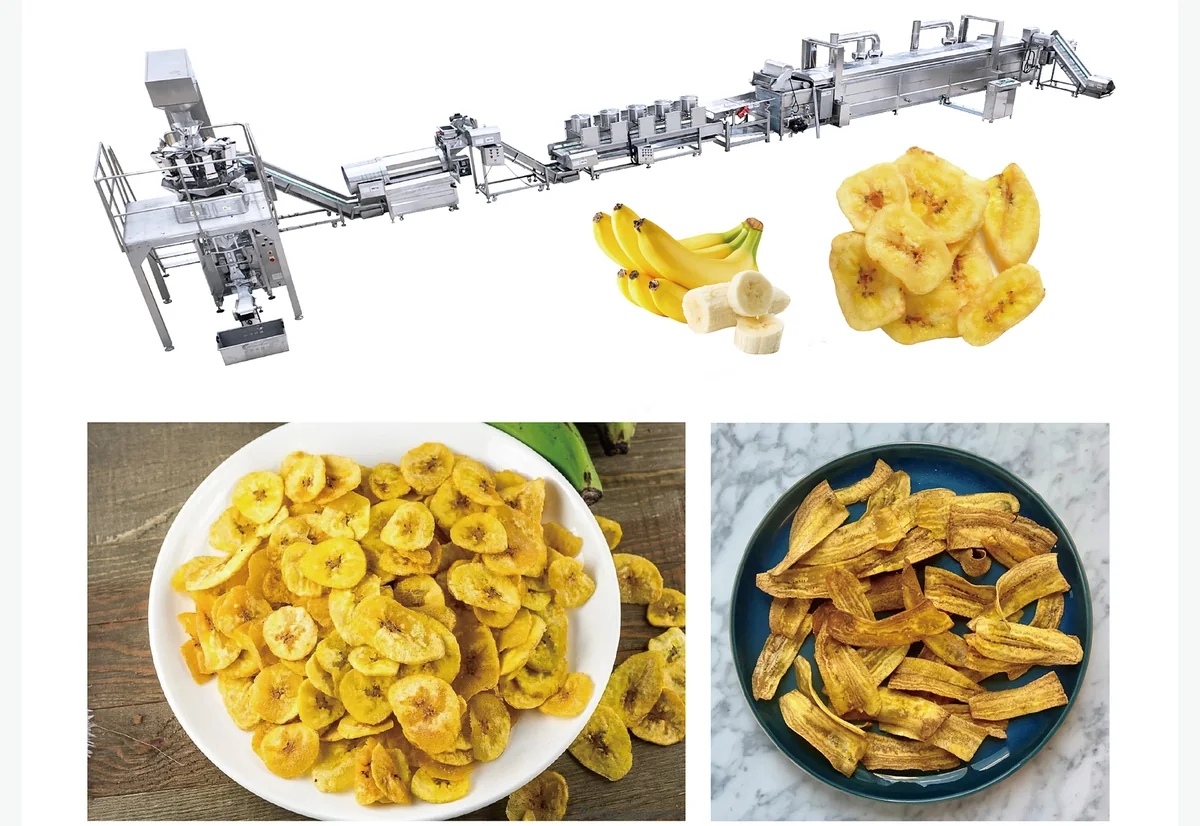
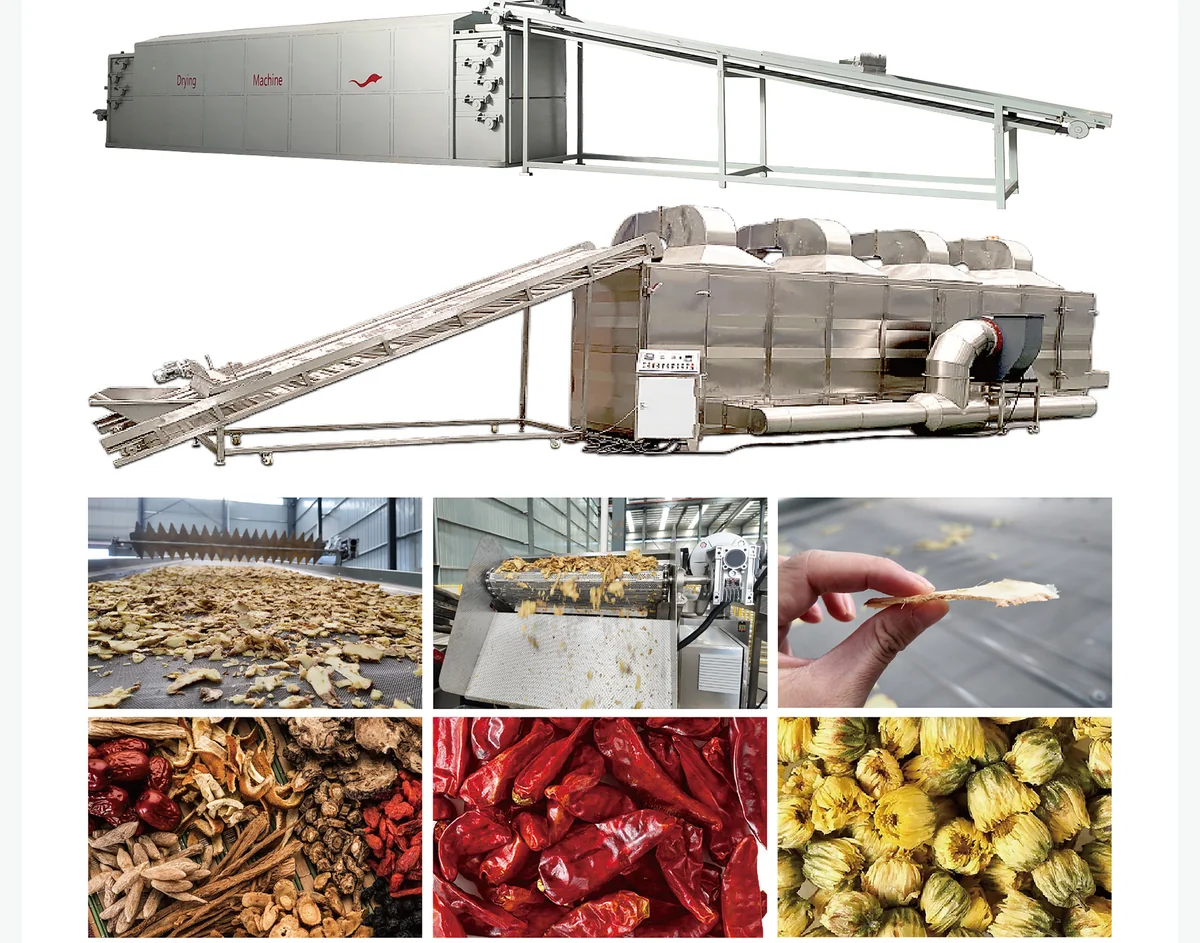
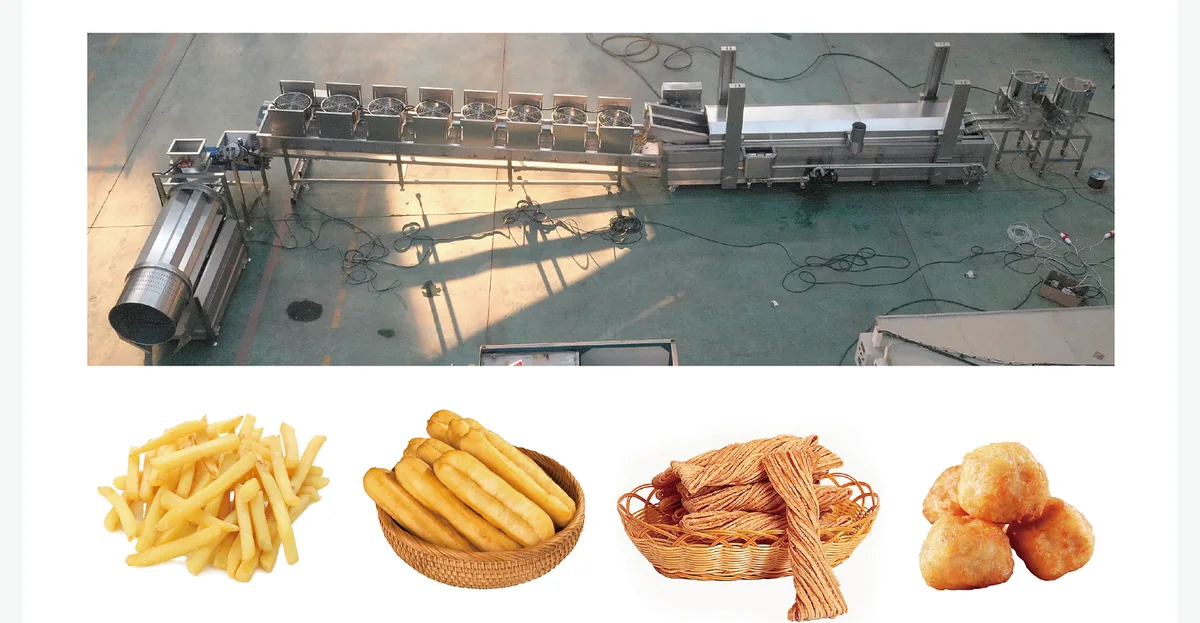
A vacuum frying machine is usually discussed when buyers want fruit chips, vegetable chips or other low-temperature fried snacks with controlled color, texture and oil content. The equipment should be selected around the actual raw material and finished product, not only around the machine name.
This guide helps overseas buyers prepare the information needed before requesting a quotation for vacuum frying or vacuum low-temperature dehydration equipment.
1. What a vacuum frying machine does
Vacuum frying reduces the processing pressure so that suitable food materials can be fried or dehydrated at a lower temperature than normal atmospheric frying. It is often considered for fruit and vegetable snack projects where color, flavor and product shape matter.
The actual result depends on the product, pretreatment, slice thickness, loading quantity, oil condition, dehydration target and cooling process. Final performance should be confirmed through technical review and, where possible, product testing.
2. Products commonly reviewed for vacuum frying
Vacuum frying is not automatically suitable for every food. Buyers should group products by moisture, sugar level, structure, slice size and finished texture before selecting equipment.
- Apple chips, banana chips, mango chips and other fruit snacks
- Carrot chips, mushroom chips, okra chips and selected vegetable snacks
- Root vegetable chips where color and texture require controlled processing
- Mixed fruit and vegetable snack products after recipe and changeover review
3. Typical process flow
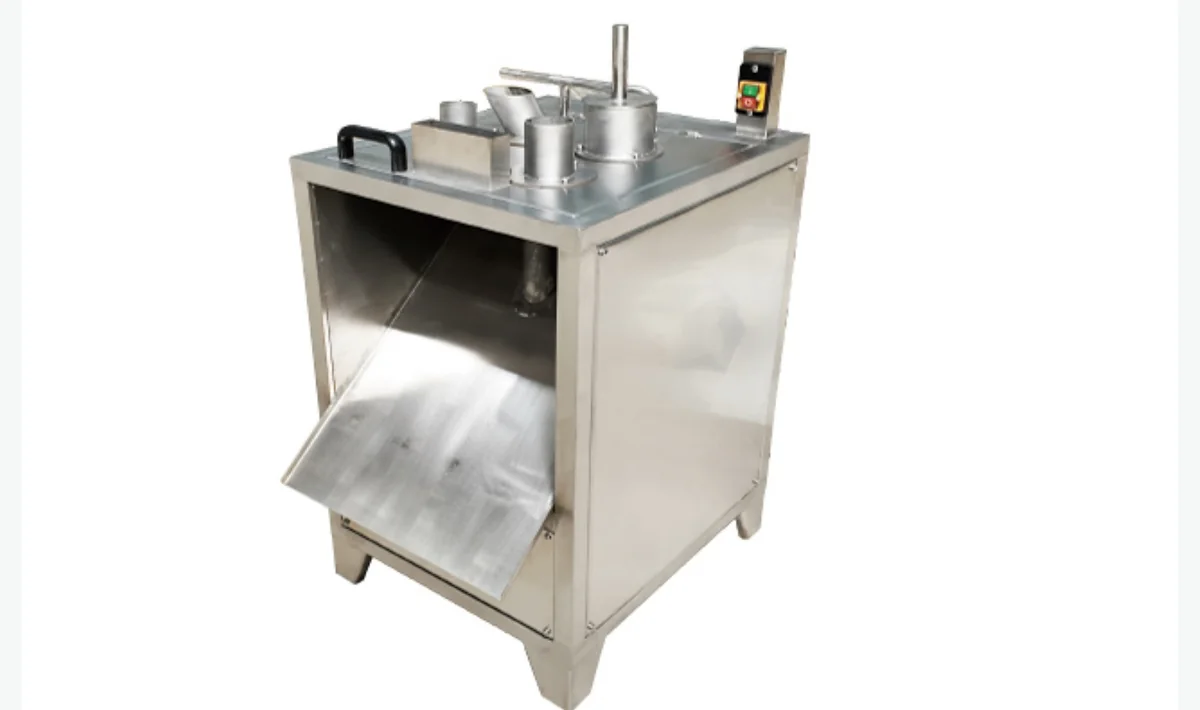
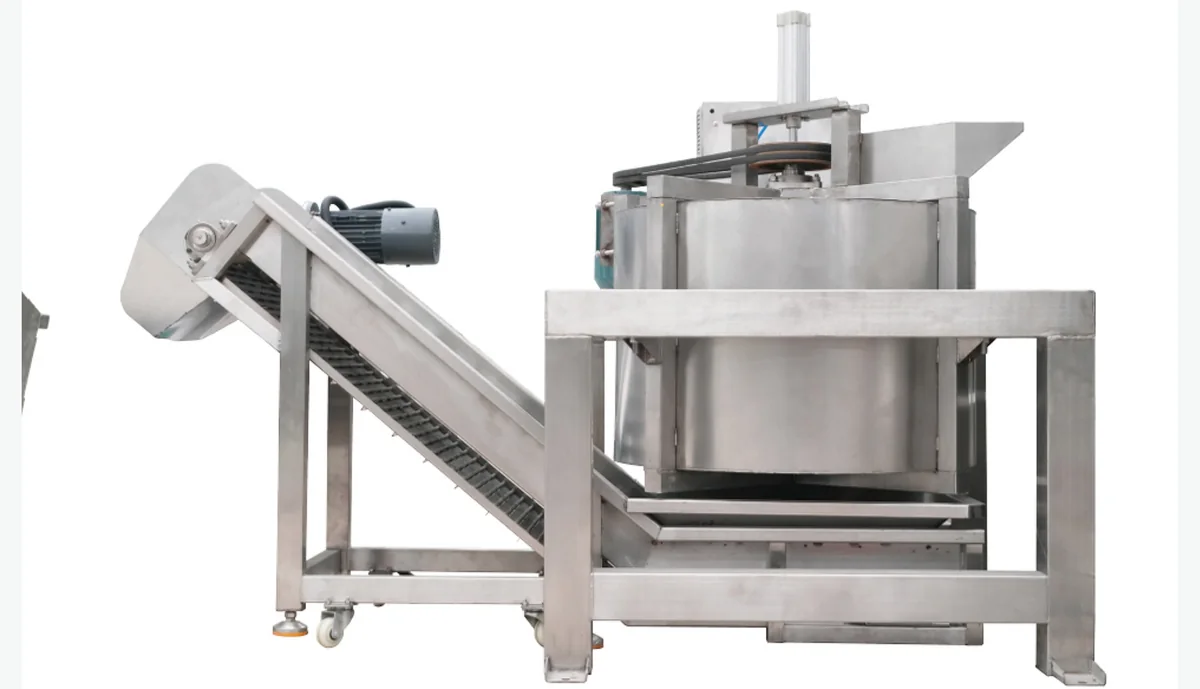
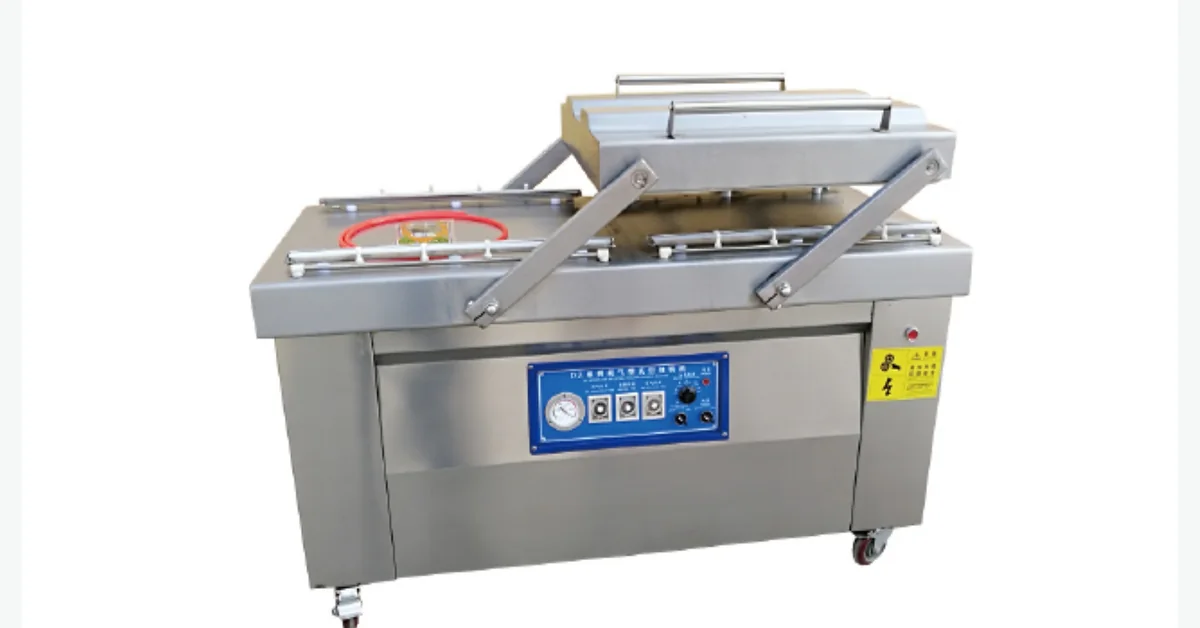
A vacuum frying project usually includes more than the vacuum fryer itself. Pretreatment, cutting, freezing or cooling, de-oiling and packing can change the final line configuration.
- Raw material selection and inspection
- Washing, peeling or trimming where required
- Slicing, cutting or forming
- Optional blanching, soaking, freezing or recipe pretreatment
- Vacuum frying or low-temperature dehydration
- Vacuum or centrifugal de-oiling depending on configuration
- Cooling, inspection and seasoning where required
- Weighing, packing and finished-product storage
4. Key factors before equipment selection
| Selection factor | What to confirm | Why it matters |
|---|---|---|
| Raw material | Variety, moisture, sugar, size and incoming condition | Affects pretreatment, processing time and finished texture |
| Finished product | Color, crispness, oil level, moisture and pack style | Defines the process target and acceptance basis |
| Capacity | Batch loading, finished output and working hours | Prevents confusion between raw input and finished product output |
| Utilities | Voltage, heating source, cooling water, vacuum system and compressed air | The factory must support the selected equipment |
| Oil management | Oil type, filtration, replacement and de-oiling method | Affects operating cost and finished product quality |
| Automation | Manual loading, semi-automatic operation or line connection | Changes labor demand, layout and project cost |
5. RFQ information to send the supplier
A useful RFQ should describe the product and process target clearly. Asking only for a vacuum fryer price may lead to a configuration that does not match the buyer's real production plan.
Send product photos, sample information and factory utility conditions if available. Mark any uncertain item as pending instead of assuming it is included.
- Product name, variety and incoming condition
- Slice thickness, shape and finished product photo if available
- Target moisture, color, texture and oil content expectation
- Required raw input and finished output per batch or per day
- Heating source, voltage, water and factory layout
- Packing format and shelf-life target
- Installation, training, spare parts and support expectations
6. Confirm the quotation boundary
The quotation should list the vacuum fryer, vacuum system, heating method, de-oiling arrangement, controls, conveyors or supporting machines that are included. It should also identify optional items and buyer-supplied utilities.
For export projects, the buyer and supplier should confirm equipment scope, packing, delivery term, installation responsibility, spare parts, acceptance method and after-sales boundary before production starts.
Vacuum frying RFQ checklist
- Product name and raw material condition
- Slice size and finished snack requirement
- Target output and batch plan
- Moisture, color and oil-content expectation
- Pretreatment and packing requirements
- Voltage, heating source and factory layout
- Cooling water, vacuum and de-oiling requirements
- Installation and service boundary
Frequently asked questions
Is vacuum frying the same as normal frying?
No. Vacuum frying works under reduced pressure and is usually reviewed for lower-temperature dehydration or frying. The process, utilities, oil management and product testing requirements can be different from normal atmospheric frying.
Can one vacuum fryer process many kinds of fruit and vegetables?
It may be possible, but each product should be reviewed for moisture, sugar, slice thickness, pretreatment, frying time, cleaning and flavor changeover. Mixed-product production should not be assumed without review.
What affects the final vacuum frying machine price?
Key factors include batch capacity, vacuum system, heating method, control level, de-oiling method, material specification, supporting equipment, packing, spare parts and installation support.
Do buyers need product testing before ordering?
For new products or strict finished-quality targets, product testing is strongly recommended when practical. If testing is not available, the supplier and buyer should document assumptions and acceptance conditions clearly.