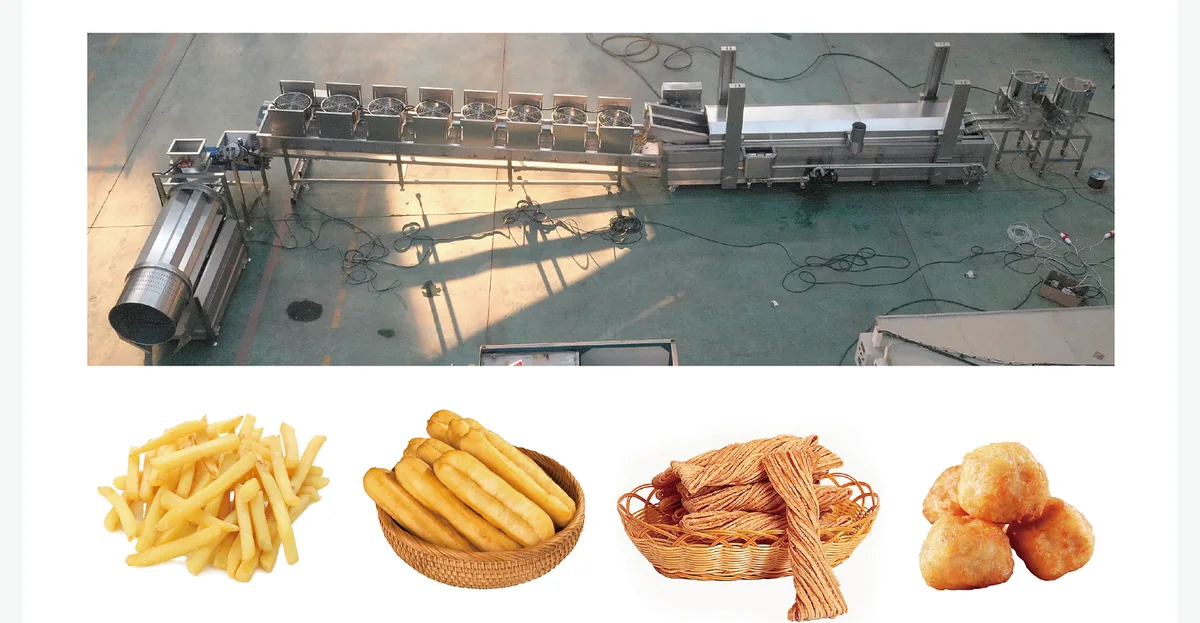
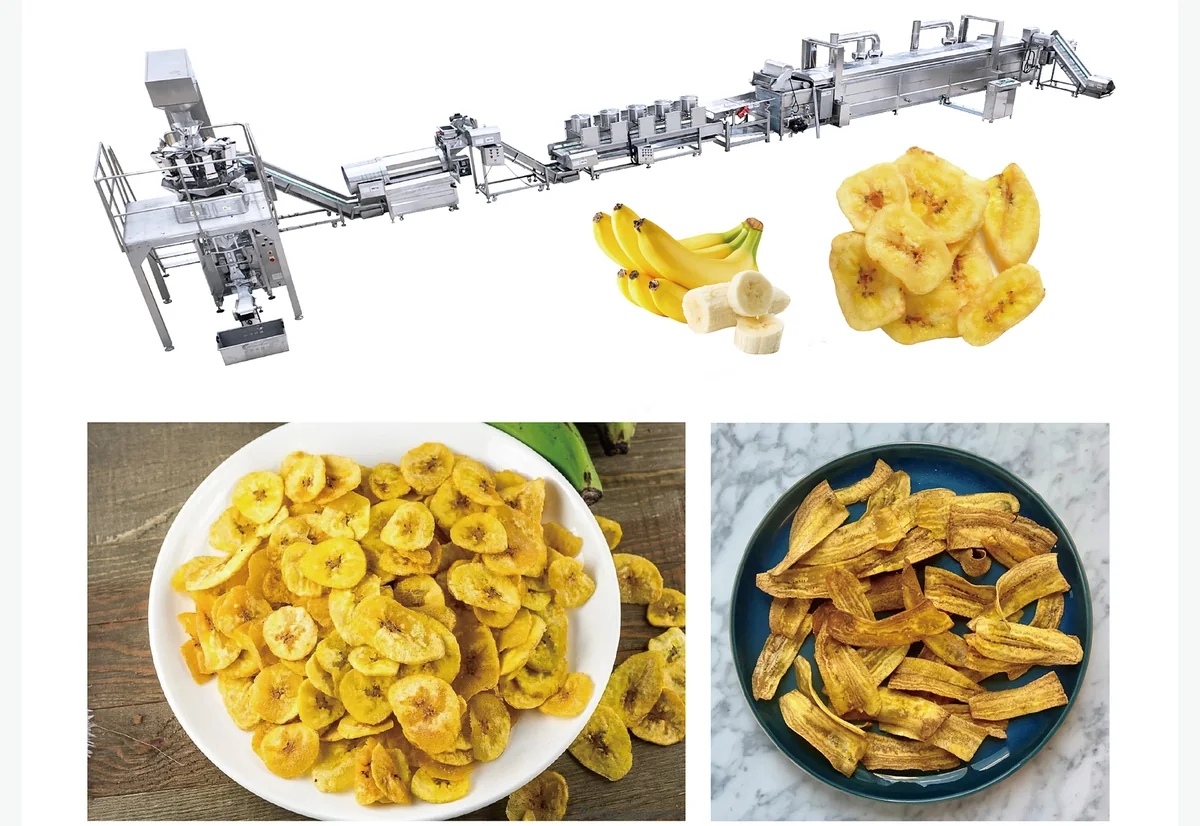
The right fryer is not selected by hourly output alone. Product variety, recipe stability, oil management, changeover frequency, labour, factory utilities and downstream handling all affect whether a batch or continuous process is the better starting point.
This guide provides a planning framework. Final equipment size, heating method, material scope and performance must be confirmed against the actual product and factory conditions.
Start with the production mode, not the machine name
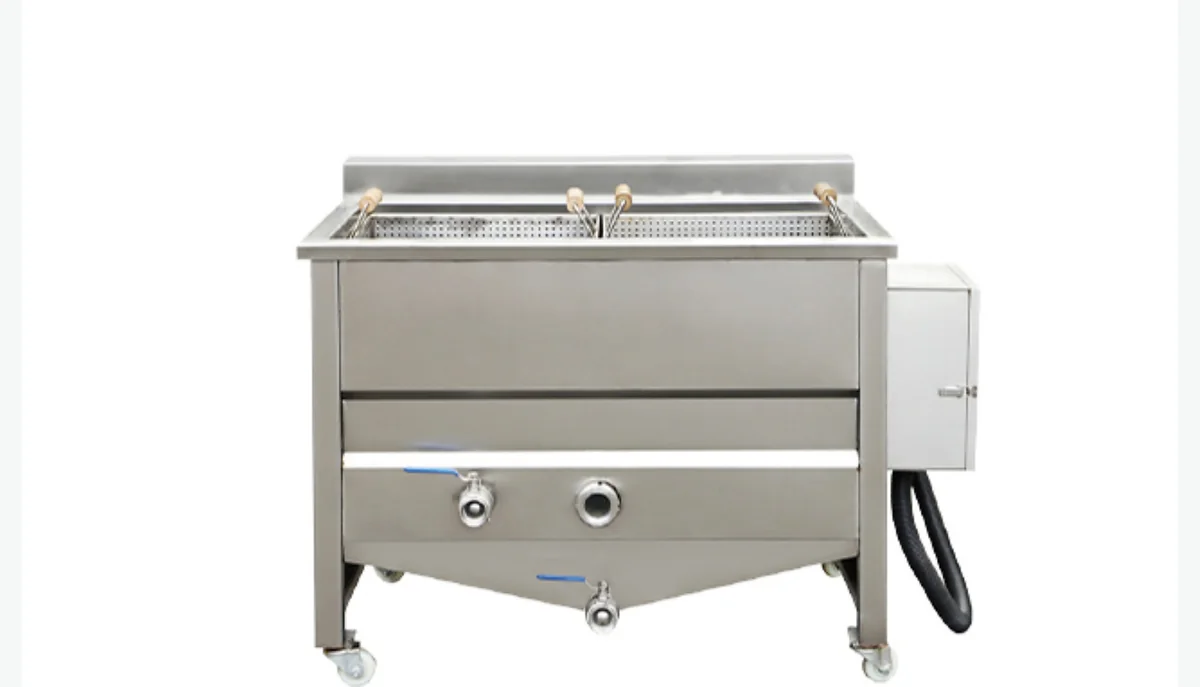
A batch process loads, fries and discharges one quantity at a time. It can suit changing recipes, smaller production campaigns and projects where operators need direct control over each batch.
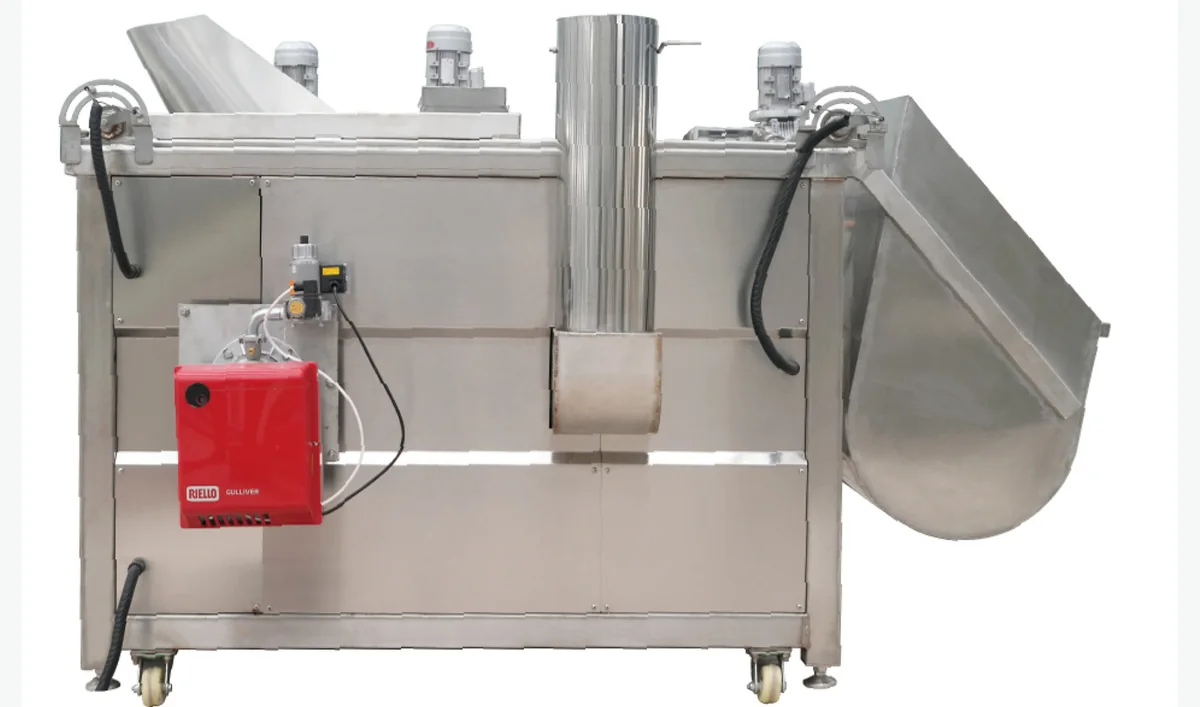
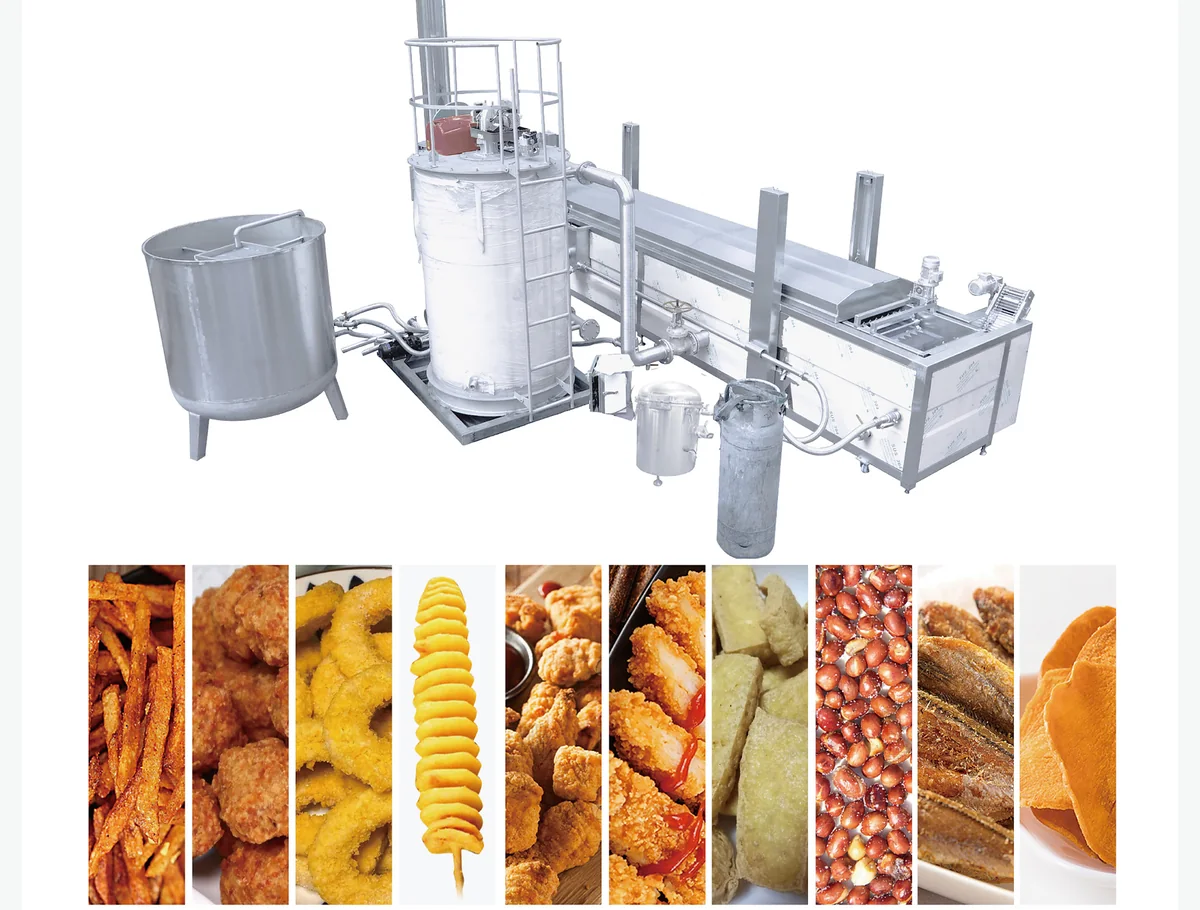
A continuous process feeds product onto a moving belt and controls the frying stage through conveying speed, oil temperature and product loading. It is normally evaluated as part of a connected line with feeding, de-oiling, cooling, seasoning and packing preparation.
A neutral, supplier-free comparison of the frying and de-oiling options sits on Potato Processing Equipment Selection and can be used as a second opinion before a configuration is fixed.
- List every product that will use the fryer.
- Record how often the recipe, temperature or frying time changes.
- Confirm whether production is organised in short campaigns or long repeated runs.
- Identify the required upstream and downstream machines.
Operational comparison
The table below is a decision aid rather than a performance promise. The actual result depends on the food, oil, recipe, loading method and agreed acceptance test.
| Decision factor | Batch fryer | Continuous fryer |
|---|---|---|
| Product mix | Better starting point for multiple products or frequent recipe changes | Better starting point for a stable product and repeated process |
| Production schedule | Short runs and planned batch changeovers | Longer connected production runs |
| Operator involvement | More direct loading, timing and discharge control | More attention to feeding consistency, belt speed and line balance |
| Line connection | Can work as a stand-alone or modular unit | Usually planned with feeding, de-oiling, cooling and seasoning |
| Factory planning | Requires space for safe loading, discharge and oil handling | Requires a longer process route and coordinated upstream/downstream layout |
| Changeover | Often easier to isolate by batch, subject to cleaning design | Requires a documented stop, drain and cleaning method for the connected line |
Supporting equipment changes the real project scope
A fryer quotation can look incomplete when the surrounding process has not been defined. The food may need washing, cutting, blanching, surface-water removal, de-oiling, cooling, seasoning or packing preparation.
Oil storage, filtration or circulation, exhaust, fire-safety measures, drainage and cleaning access also affect the project. These items should be identified before the final quotation so that the equipment boundary is clear.
- Upstream preparation and feeding method
- Surface-water control before frying
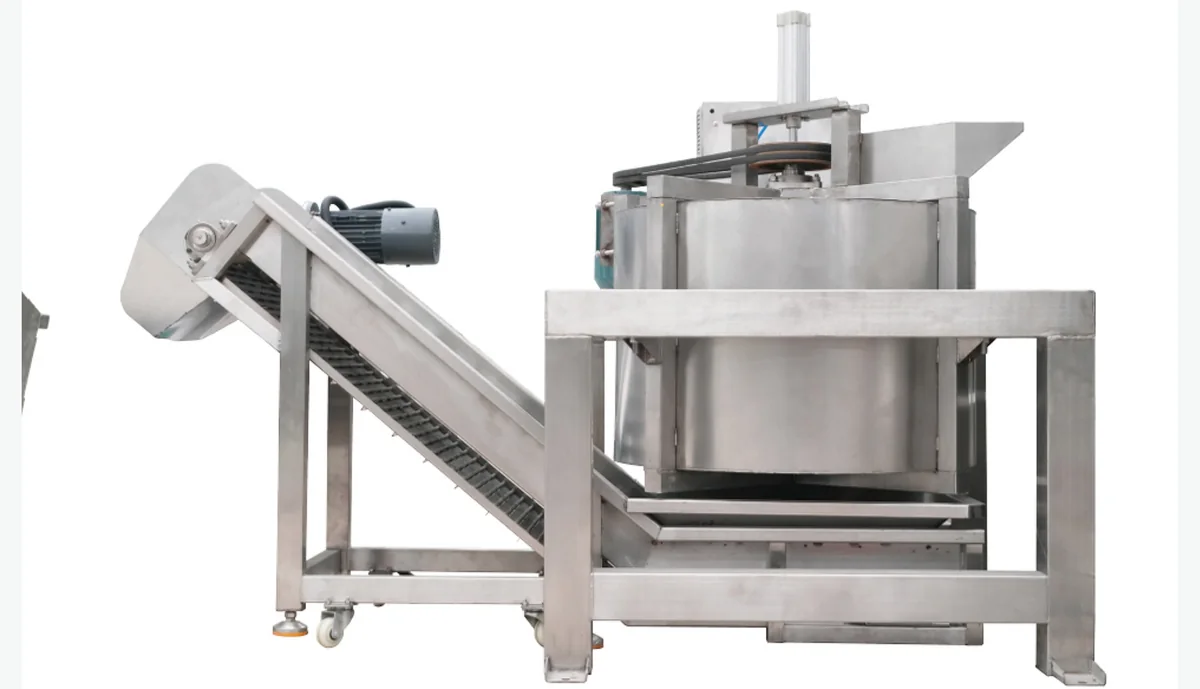
- De-oiling and product cooling after frying
- Seasoning and packing interface
- Oil circulation, filtration and storage requirements
- Ventilation, exhaust, cleaning and drainage
Information needed for fryer selection
Send facts that can be checked. A product photo is useful, but a useful technical review also needs the incoming condition, finished target and production plan.
- Food product and ingredient description
- Incoming dimensions, moisture and temperature condition
- Target colour, texture and finished moisture
- Required output and working hours per shift
- Frying temperature and time if an existing recipe is available
- Heating options available at the factory
- Local voltage, frequency and phase
- Available floor space, ventilation and drainage
- Required automation level and packing connection
Define acceptance before confirming the configuration
The acceptance basis should identify the raw material, test quantity, process settings, finished-product checks and the party responsible for inspection. Output should not be treated as an isolated number because product loading, residence time and finished quality must be evaluated together.
For a non-standard or connected line, record which functions are included, which utilities are provided by the buyer and where the supplier's responsibility ends.
Fryer project checklist
- Product samples or clear product specification
- Target output and shift plan
- Existing frying recipe or required finished result
- Heating source and electrical standard
- Factory layout and exhaust conditions
- Upstream and downstream equipment
- Cleaning and oil-management expectations
- Agreed test and acceptance method
Frequently asked questions
Is a continuous fryer always the higher-capacity option?
A continuous process is designed for connected and repeated production, but final output depends on the product, loading, belt area, residence time and finished-quality requirement. Capacity must be confirmed during technical review.
Can one fryer handle different food products?
It may be possible, but recipe changes, oil compatibility, allergen control, cleaning and changeover time must be evaluated. List every intended product before selection.
Which heating method should be selected?
Electric, gas or other heating directions should be reviewed against the process requirement, local utility availability, operating plan and site safety conditions. A final choice cannot be made from the product name alone.