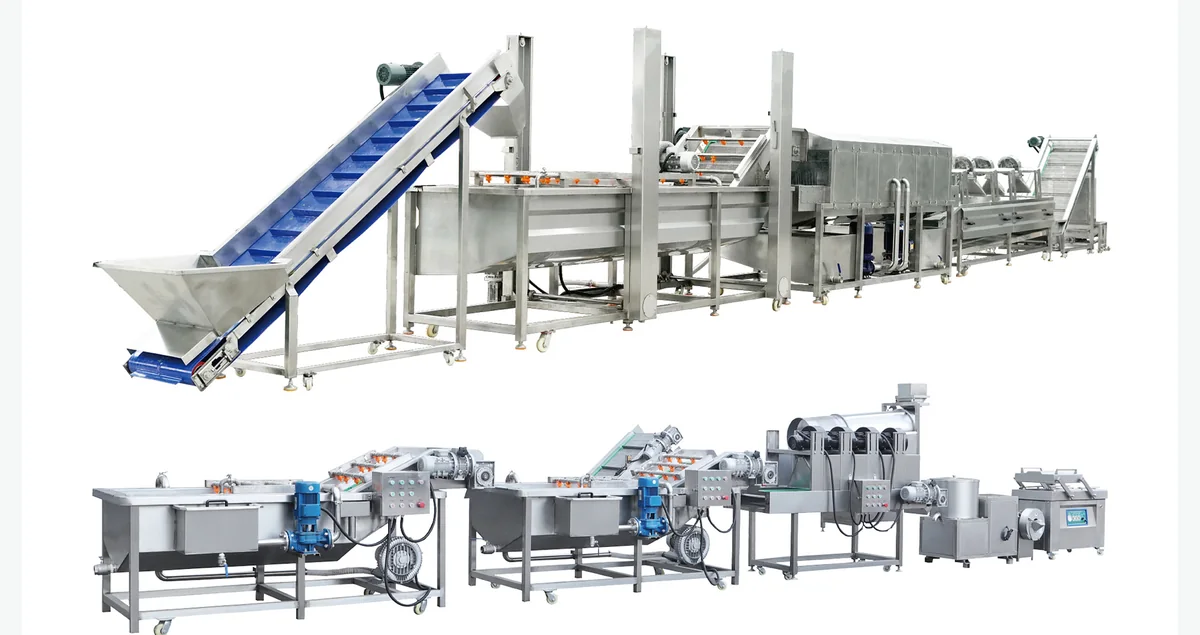
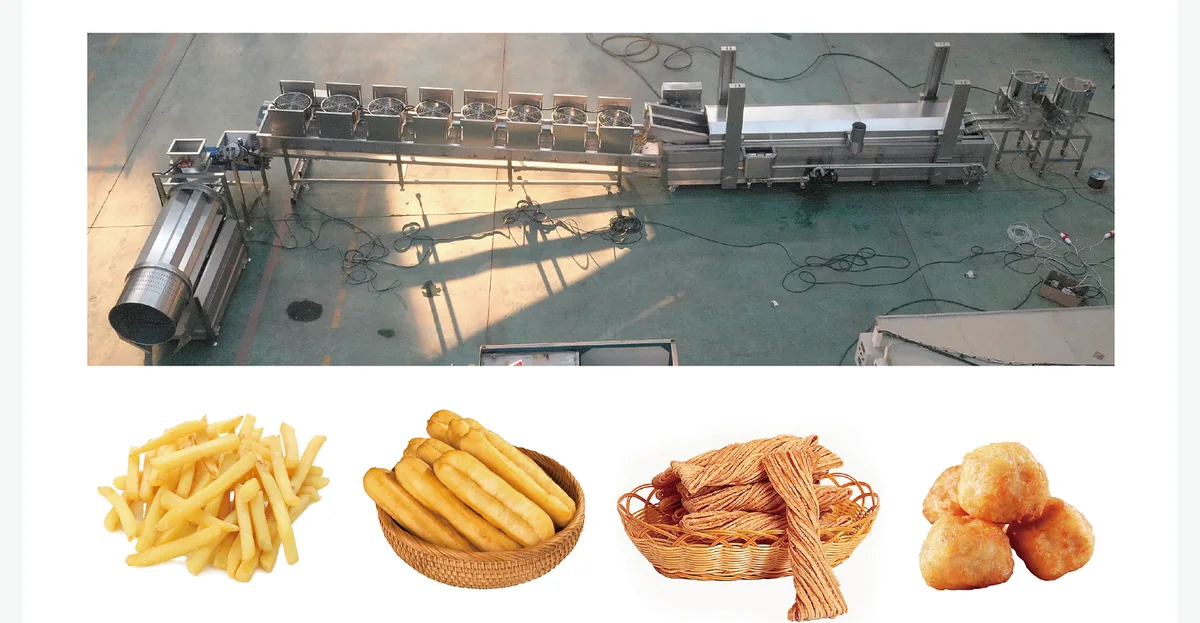
Utility planning is part of equipment selection. A line may fit on a drawing but still be difficult to operate if the electrical supply, water flow, drainage, heating, ventilation or maintenance access has not been confirmed.
Use this guide before requesting a final quotation or approving a factory layout. It helps separate confirmed site conditions from items that still need technical review.
1. Electricity and control requirements
Record the local voltage, frequency, phase and available load before selecting motors, heaters, pumps, conveyors or control panels. The nameplate power of individual machines is not the same as the confirmed site capacity for the complete line. Regional supply practice is covered separately for Africa and the Middle East.
The quotation should identify the control scope and the buyer-supplied connection point. Final electrical work should be checked by the responsible local electrician or project engineer.
- Voltage, frequency and phase
- Available transformer or service capacity
- Main distribution-board location
- Cable route and cable length assumptions
- Control-panel location and operating position
- Local grounding and electrical safety requirements
2. Water supply, drainage and wastewater
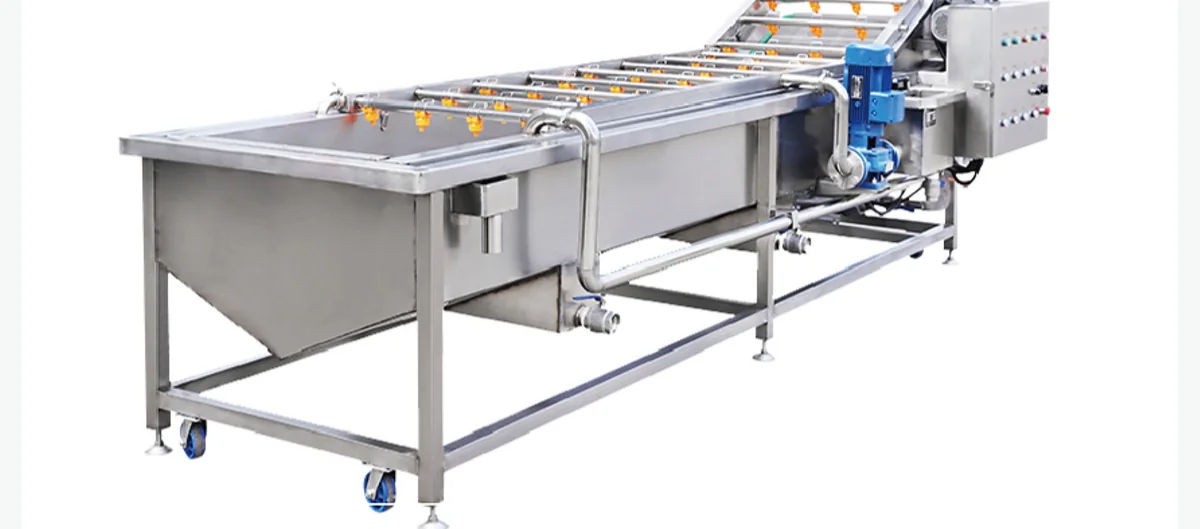
Washing, blanching, cleaning and some cooling processes may require different water conditions. Confirm the supply point, pressure, flow, temperature and quality that are actually available at the factory.
Drainage is equally important. A line needs safe discharge routes, cleaning access and enough capacity for normal operation and washdown. Do not treat a floor drain location as a complete wastewater plan.
| Utility item | Information to confirm | Why it matters |
|---|---|---|
| Water supply | Source, pressure, flow, temperature and quality | Affects washing, blanching, cleaning and process stability |
| Drainage | Drain position, pipe size, slope and discharge route | Affects hygiene, cleaning and floor-layout safety |
| Wastewater | Solids, oil, detergent and local treatment method | The site may need screening, collection or additional treatment |
| Cleaning | Hose points, hot-water access and cleaning schedule | Operators need safe access around conveyors and machines |
3. Heating, exhaust and ventilation
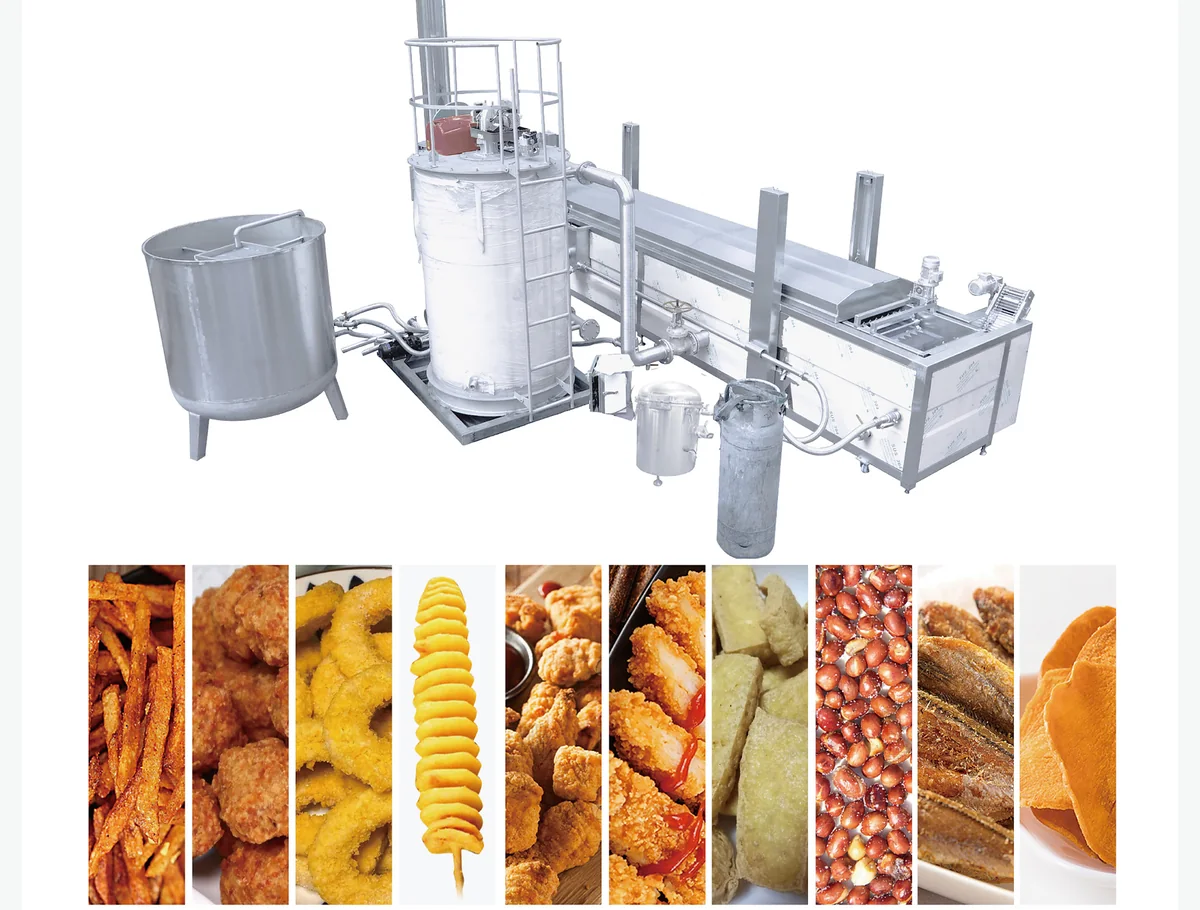
Frying, roasting, drying and some cooking processes create heat, vapour or oil-containing exhaust. The selected heating method should match the process, local utility availability and site safety conditions.
Review exhaust routes and service access before fixing the line position. A layout that leaves no space for ducting, inspection or cleaning can create installation changes later.
- Available electric, gas, steam or other heating source
- Heating connection point and capacity
- Exhaust route and discharge position
- Make-up air and room ventilation
- Fire-safety and local inspection requirements
- Access for cleaning and maintenance
4. Compressed air, refrigeration and packing interfaces
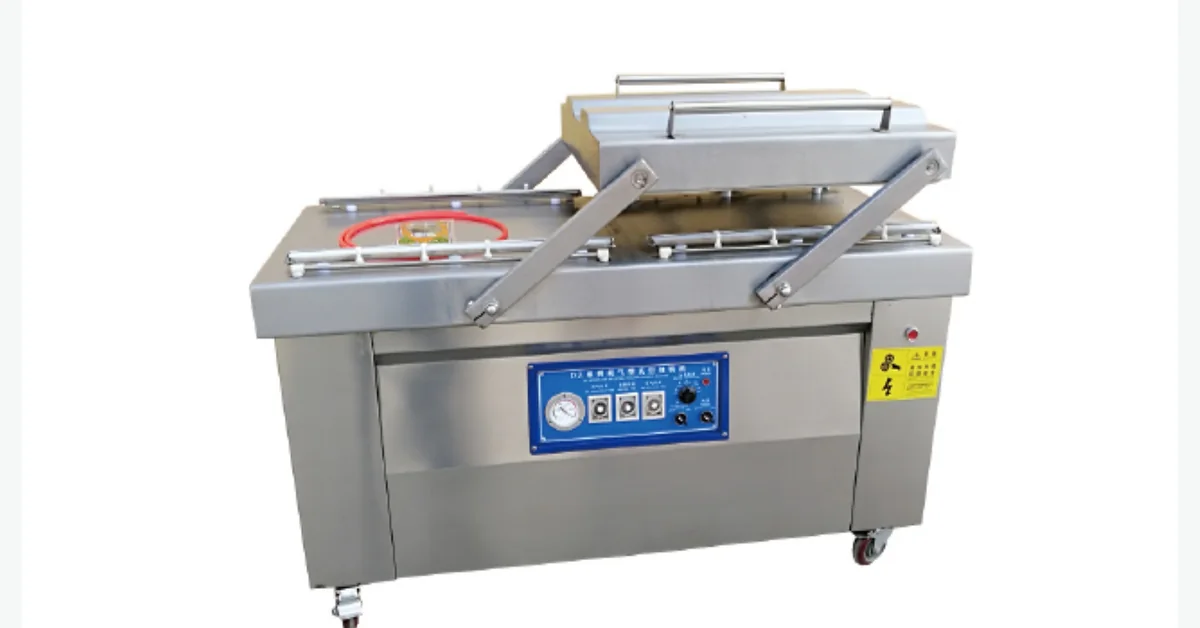
Some controls, valves, packing machines or actuators may require compressed air. Freezing, cooling and packing areas may also need dedicated temperature or air-capacity conditions. These requirements must be confirmed from the selected equipment rather than assumed from a general line name.
Ask the supplier to distinguish included utilities from buyer-supplied utilities and to state the connection conditions in the technical offer.
- Compressed-air pressure, flow and air quality
- Air compressor location and pipe route
- Cooling or refrigeration capacity where applicable
- Packing-room temperature and product handoff point
- Finished-product storage and material-flow conditions
5. Factory layout, access and future maintenance
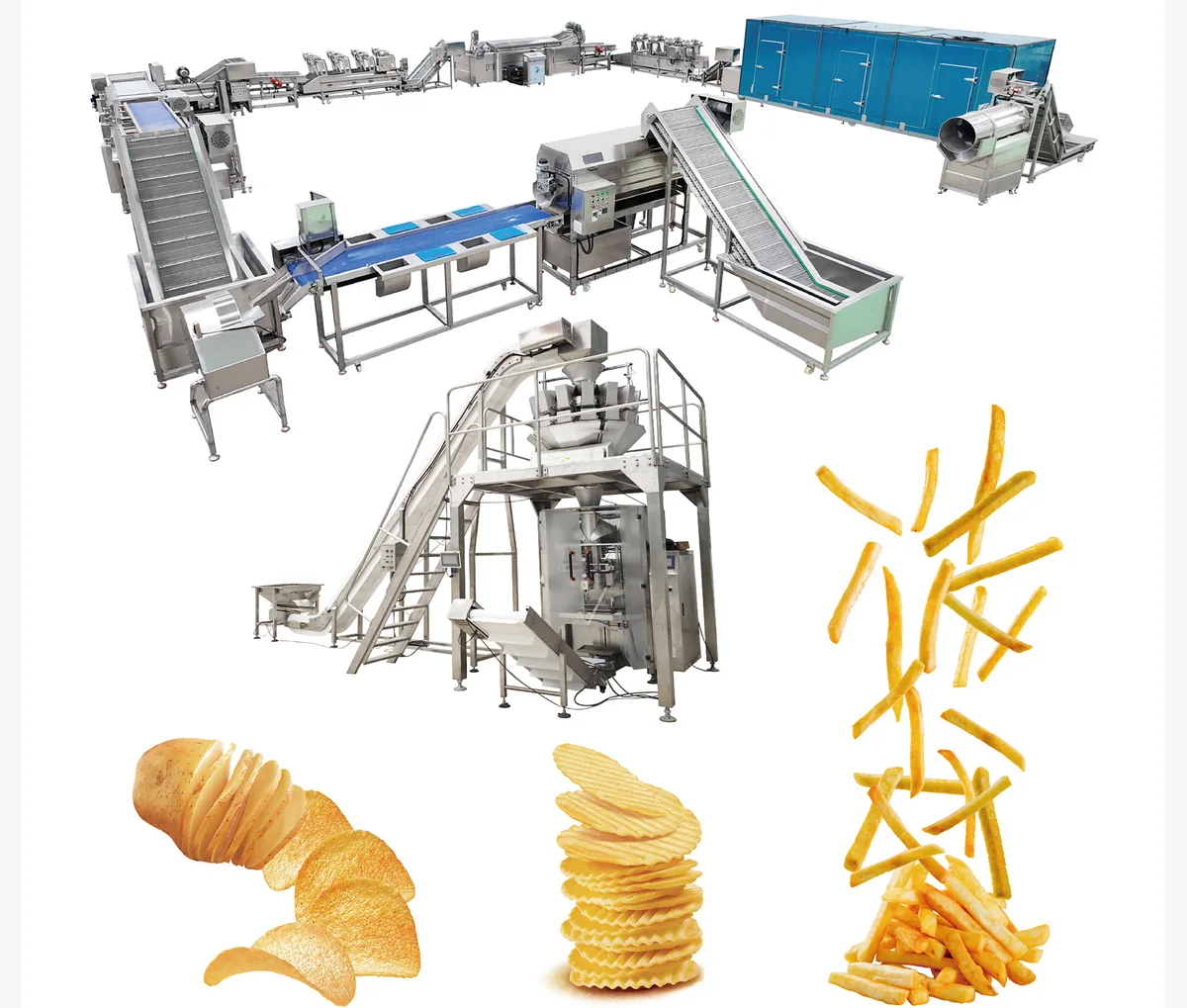
A line layout should show more than machine footprints. Include raw-material entry, finished-product flow, operator positions, cleaning zones, doors, columns, floor levels, clear height and maintenance access.
Leave a documented route for delivery and replacement of major components. Also consider whether the line may later add inspection, seasoning, packing or storage modules.
- Building length, width and clear height
- Doors, loading bays, columns and floor drains
- Material flow from receiving to packing
- Operator and inspection positions
- Cleaning, walkway and emergency access
- Maintenance clearance and spare-part replacement route
- Future expansion or product changeover space
6. Confirm the utility boundary before quotation
Before approving a final configuration, ask for a clear list of included machines, controls, conveyors, connection points, utilities, installation work, commissioning, spare parts and exclusions.
Unconfirmed items should be marked as pending. Voltage, heating, drainage, ventilation, certification, installation and output should not be presented as guaranteed until the responsible technical and commercial teams have reviewed the project.
Utility planning checklist
- Product and process description
- Target input and finished output
- Voltage, frequency and phase
- Available electrical load
- Water pressure, flow and quality
- Drainage and wastewater route
- Heating and exhaust conditions
- Compressed air or refrigeration requirements
- Factory drawing with doors and columns
- Installation, maintenance and acceptance boundary
Frequently asked questions
Can the supplier decide all factory utilities from the product name?
No. Utility requirements depend on the selected process, equipment configuration, output, heating method, packing interface and local site conditions. The product name is only a starting point.
Should I send a factory drawing before requesting a quotation?
Yes. A drawing with dimensions, doors, columns, drains and clear height helps identify layout and access constraints. A preliminary budget discussion may start without it, but final planning should not rely on assumptions.
Are installation utilities included in a machine quotation?
Not necessarily. The quotation should state which machines, control panels, connection work, installation, commissioning and buyer-supplied utilities are included or excluded.