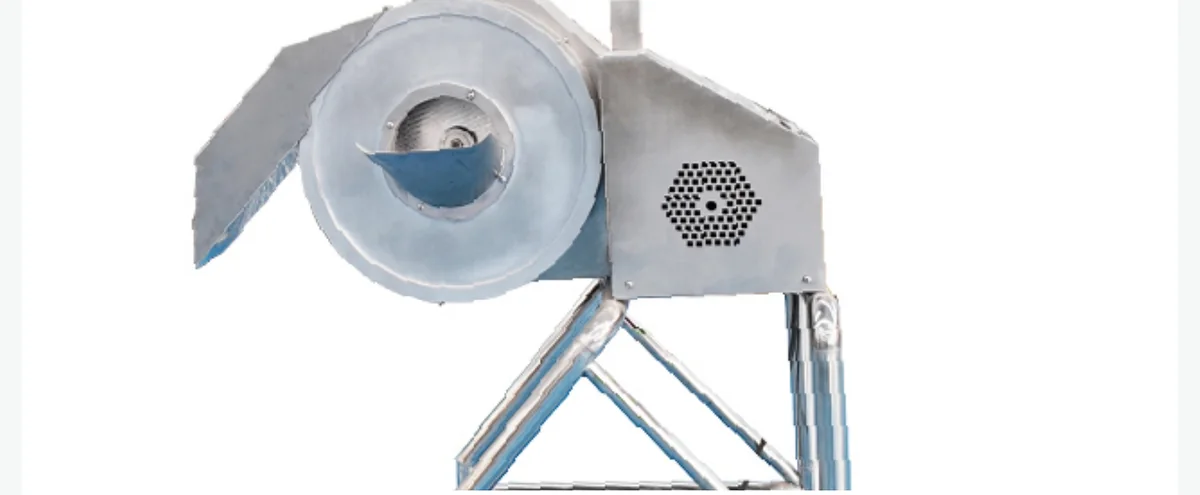
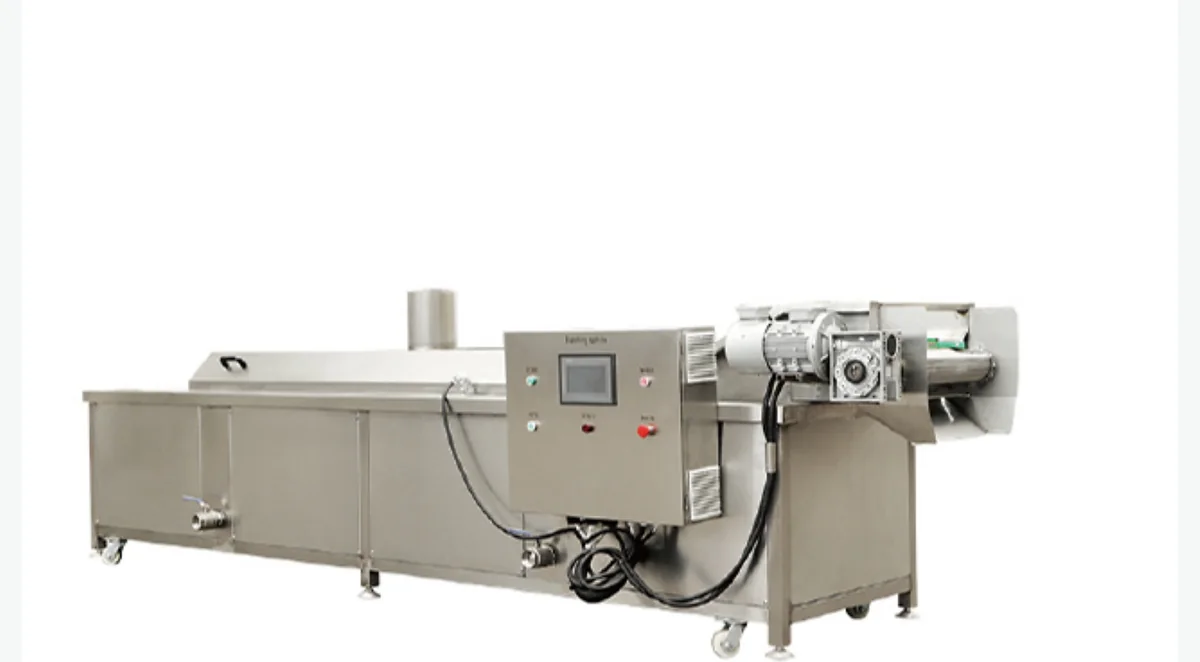
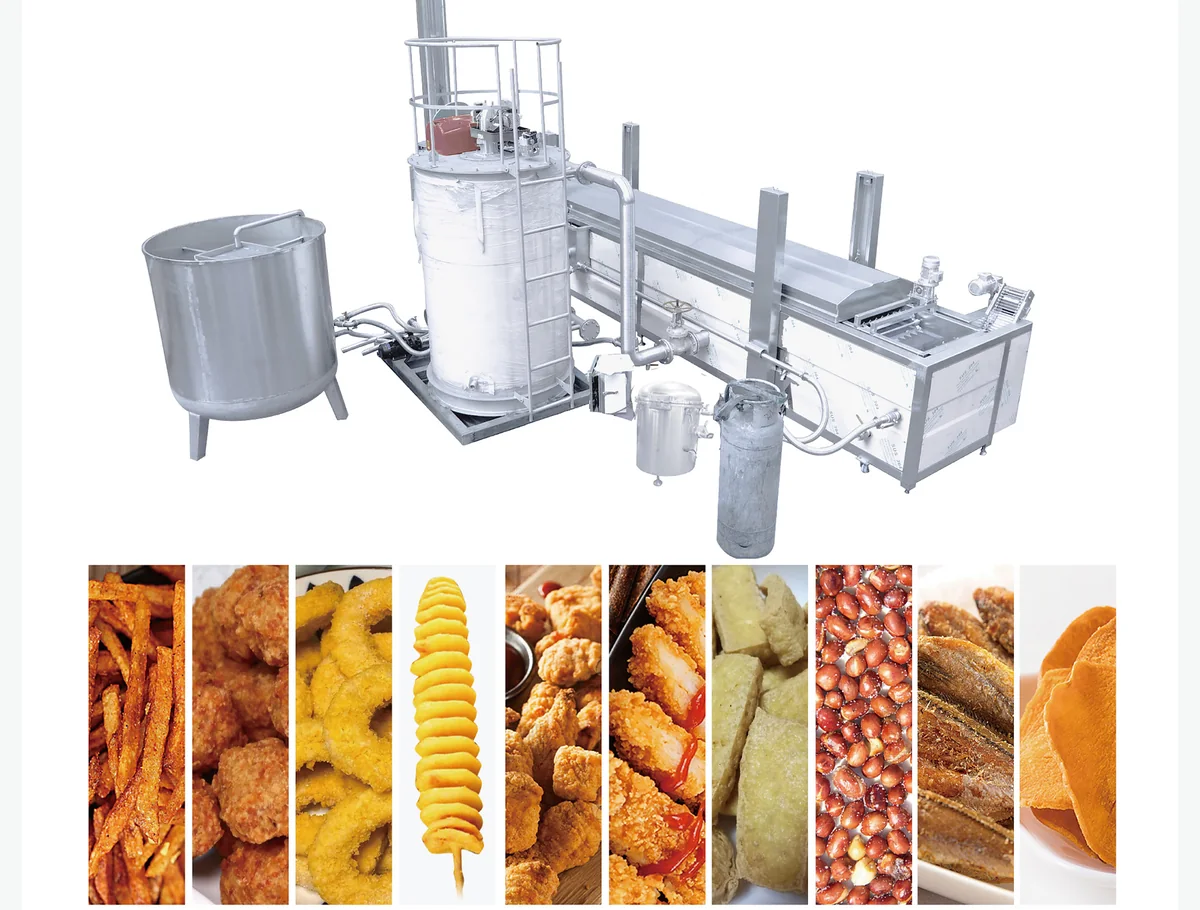
Ask three suppliers for a 'French fries production line' and you will likely receive three different prices — none of them wrong, because each quotation describes a different scope. The line name is not the product. What you actually buy is a set of process stages, a capacity basis, a material class and a service boundary.
This guide lists the eight factors that move the price of a French fries line the most, so you can read a quotation, see what is behind the number and compare offers on the same scope.
1. Product route: chilled or frozen
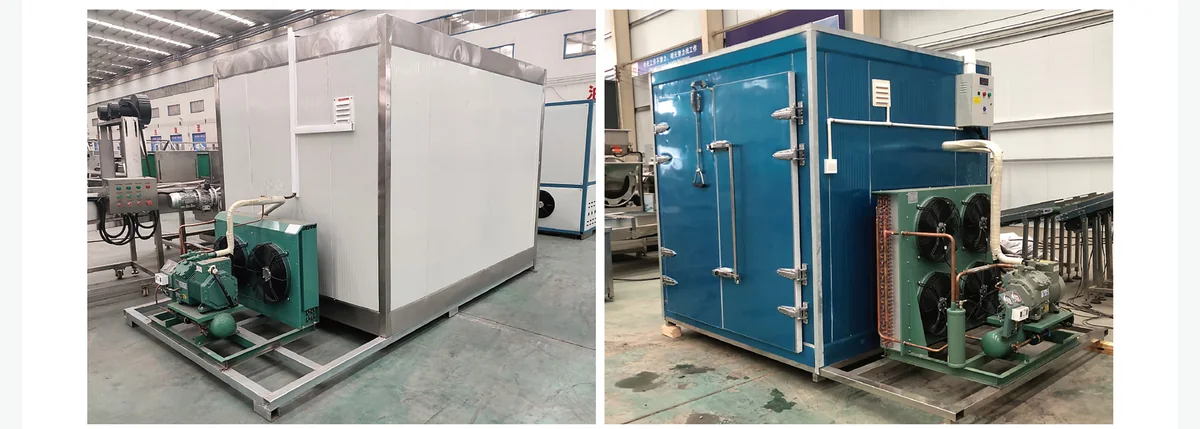
The single biggest cost driver is the finished product. A line that stops after chilled packing needs no fryer and no freezer; a line that produces par-fried frozen fries adds frying, de-oiling, cooling, quick freezing and cold storage. Those freezing-related stages usually represent a large share of the total investment, so the route decision — not the machine list — sets the price level first.
2. Capacity basis and working hours
Quotations differ when one is built on raw potato input and another on finished output. They differ again when one assumes one shift and another assumes two. Before comparing prices, state the peak-day raw material supply, the target finished output and the working hours the line must sustain. A line sized from an average day will be cheaper on paper and short in practice.
If you are still fixing these numbers, the buyer-side walkthrough of sizing a line from peak potato supply on Fries Line Guide covers the planning questions in detail.
3. Automation level
Automation moves cost between columns: a higher level raises the machine share of the investment and reduces labour, cleaning and variability on the processing side. A semi-automatic configuration keeps the investment lower and leaves more handling to operators. Neither is automatically cheaper overall — the right level depends on working schedule, product stability, local labour cost and the maintenance capability available after installation.
4. Scope of supply and line boundary
One quotation may cover washing to frying only; another includes freezing, packing, case handling and installation. Ask every supplier to state the line boundary machine by machine, and to list exclusions explicitly — the items a quotation does not mention are usually the items that appear later as extra cost.
- First and last machine included in the scope
- Conveyors, controls and wiring between machines
- Installation, commissioning and training — remote or on site
- First-year spare parts and documentation included or optional
- Works the buyer supplies locally: civil, water, power, drainage
5. Materials and component class
Two machines with the same function can be built differently. Food-contact surfaces, structural frames, bearings, motors, electrical components and control hardware all have specification levels, and each level shifts both price and service life. Ask suppliers to state the material and component class for each machine in writing, so a lower price is not simply a lower specification.
6. Utilities readiness at the factory
Some cost never appears on the machine invoice: the boiler or heating source, the electrical connection, water treatment, drainage and the cold-room shell. When the factory is not ready, these buyer-side works grow — sometimes substantially. Send the supplier your voltage, available load, heating source and drainage condition early, and ask which utility works belong to the buyer. The utility planning guide lists what to settle before delivery.
7. Shipping, installation and commissioning
Freight terms, packing, port charges, installation method and commissioning duration all change the landed cost of a project. A quotation with remote guidance and local contractors is priced differently from one with an on-site engineer for weeks. Compare offers on the same delivery term and the same installation scope, and check what happens if commissioning takes longer than planned.
8. Service package: spares, documents and response
The price of owning a line includes what happens after delivery. A service package with a first-year spare-parts list, manuals in your language, defined response times and remote support costs more up front and less over the years. When comparing quotations, put the service terms next to the price — availability of wear parts such as blades, belts and seals matters more day to day than the warranty length.
Comparing quotations on the same scope
Once the eight factors are on paper, build a simple comparison table: one column per quotation, one row per factor. Any quotation that leaves a row blank is not comparable yet — ask the supplier to complete it. The RFQ checklist shows the information a serious quotation has to be built on, and the supplier selection guide covers the review before signing.
Cost review checklist
- Finished product route: chilled or par-fried frozen
- Capacity basis: raw input, finished output, working hours
- Automation level and expected crew
- Line boundary: first machine to last machine, in writing
- Material and component class per machine
- Buyer-side utility works identified and budgeted
- Delivery term, installation and commissioning scope
- Spare parts, documentation and response terms
Frequently asked questions
Why do quotations for the same line name differ so much?
Because the scope behind the name differs. Product route, capacity basis, included stages, material and component class, installation and service terms all change the price. Quotations can only be compared when each of these items is stated in writing.
Does higher automation always reduce total cost?
Not always. Automation raises the machine share of the investment and reduces labour dependence. Whether it pays back depends on working hours, product stability, local labour cost and the maintenance capability available on site.
Can freezing be added later to reduce the initial investment?
Often yes, provided the building leaves space after the drying stage and the electrical supply, drainage and cold-room location are planned from the start. The front of the line keeps running when the frozen stages are added later.